THE ADVENTURE COLLECTIVE® · Independent discovery and booking for outdoor travel

A full-day private drive from Beirut that pairs the cliff-hugged monasteries of Qadisha and the last Cedars of God with the monumental Roman temples of Baalbek. Expect short walks, dramatic viewpoints and a long, rewarding day of cultural and geological contrast.
A full-day private drive from Beirut that pairs the cliff-hugged monasteries of Qadisha and the last Cedars of God with the monumental Roman temples of Baalbek. Expect short walks, dramatic viewpoints and a long, rewarding day of cultural and geological contrast.
You leave Beirut before the city heat builds, the coastal skyline shrinking as the road climbs toward limestone cliffs and terraced valleys. Qadisha Valley opens like a deep cut in the mountain—rock faces, ancient hermitages clinging to ledges, and the hush of orchards where monks once lived in silence.
Verified experiences and guided adventures in the surrounding area.
Operated by Beirut Airport Transfer · Baalbek, Baalbek-Hermel Governorate
You leave Beirut before the city heat builds, the coastal skyline shrinking as the road climbs toward limestone cliffs and terraced valleys. Qadisha Valley opens like a deep cut in the mountain—rock faces, ancient hermitages clinging to ledges, and the hush of orchards where monks once lived in silence.
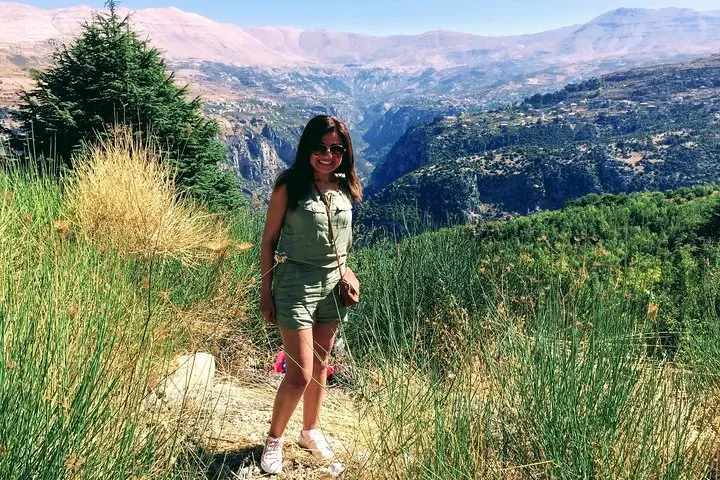
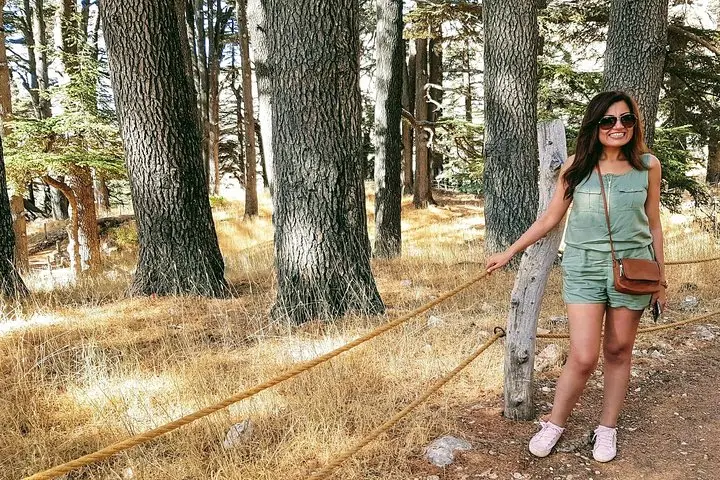
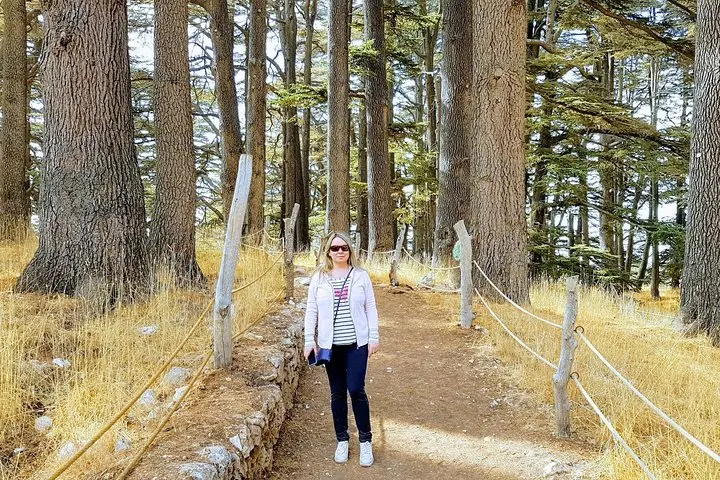
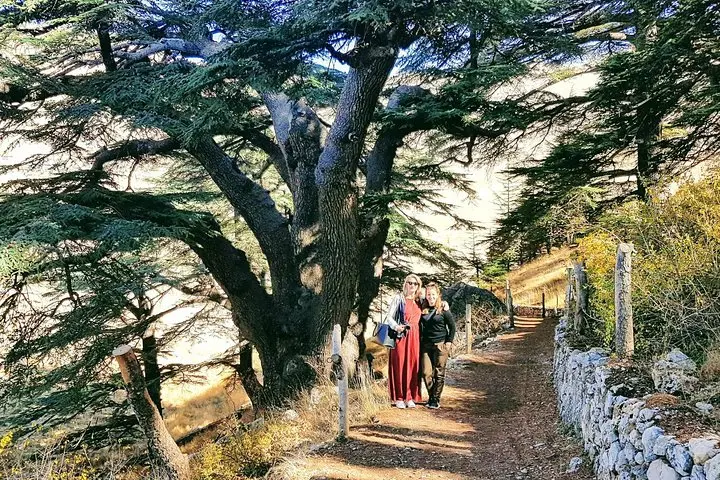
History is immediate here: the caverns and monasteries of Qadisha sustained some of the earliest Christian communities, while the cedar grove at Arz al-Rab preserves the trees that gave ancient builders prized timber and now mark the nation’s emblem. Further east, the Bekaa plain unfolds and Baalbek appears—colossal Roman columns and giant stone blocks that still gaze over the valley, reminders of Hellenistic and Imperial ambitions. Geologically the route travels karst limestone, steep ravines and high plateaus; culturally it crosses Maronite villages, mountain shepherding landscapes and archaeological layers from Phoenician to Roman eras.
Expect a varied day: short walks at viewpoints and monastery courtyards, a guided pause beneath the Cedars of God, then extended time among Baalbek’s temple ruins. Practicalities matter—pack layers for changing elevation and an insulated water bottle for a long, largely exposed day. Bring cash for small site fees, a hat for the open plains, and comfortable shoes for short uneven trails and cobbled archaeological zones.
This private drive balances relaxed stops with deep, visible history—an intensive nine-hour sweep through Lebanon’s highlands that connects nature, faith and monumental stone.
The itinerary runs about nine hours (approximately 540 minutes) including driving time and guided stops.
Admissions to archaeological sites are not included—bring cash for any site tickets or optional museum entries.
Yes—private pickup and drop-off in Beirut are included as part of the tour.
The supplier notes the tour is suitable for all fitness levels and infant seats are available on request; confirm needs at booking.
Beirut Airport Transfer operates guided outdoor trips and adventures with an emphasis on safety, stewardship, and memorable experiences.
You leave Beirut before the city heat builds, the coastal skyline shrinking as the road climbs toward limestone cliffs and terraced valleys. Qadisha Valley opens like a deep cut in the mountain—rock faces, ancient hermitages clinging to ledges, and the hush of orchards where monks once lived in silence.
You leave Beirut before the city heat builds, the coastal skyline shrinking as the road climbs toward limestone cliffs and terraced valleys. Qadisha Valley opens like a deep cut in the mountain—rock faces, ancient hermitages clinging to ledges, and the hush of orchards where monks once lived in silence.
History is immediate here: the caverns and monasteries of Qadisha sustained some of the earliest Christian communities, while the cedar grove at Arz al-Rab preserves the trees that gave ancient builders prized timber and now mark the nation’s emblem. Further east, the Bekaa plain unfolds and Baalbek appears—colossal Roman columns and giant stone blocks that still gaze over the valley, reminders of Hellenistic and Imperial ambitions. Geologically the route travels karst limestone, steep ravines and high plateaus; culturally it crosses Maronite villages, mountain shepherding landscapes and archaeological layers from Phoenician to Roman eras.
Expect a varied day: short walks at viewpoints and monastery courtyards, a guided pause beneath the Cedars of God, then extended time among Baalbek’s temple ruins. Practicalities matter—pack layers for changing elevation and an insulated water bottle for a long, largely exposed day. Bring cash for small site fees, a hat for the open plains, and comfortable shoes for short uneven trails and cobbled archaeological zones.
This private drive balances relaxed stops with deep, visible history—an intensive nine-hour sweep through Lebanon’s highlands that connects nature, faith and monumental stone.