THE ADVENTURE COLLECTIVE® · Independent discovery and booking for outdoor travel

Traverse Morocco from Casablanca to Marrakech on an 11-day private circuit that pairs imperial cities with desert nights. Expect Roman ruins, mountain passes and a camel trek to a Sahara camp — long drives rewarded by immersive local culture.
Traverse Morocco from Casablanca to Marrakech on an 11-day private circuit that pairs imperial cities with desert nights. Expect Roman ruins, mountain passes and a camel trek to a Sahara camp — long drives rewarded by immersive local culture.
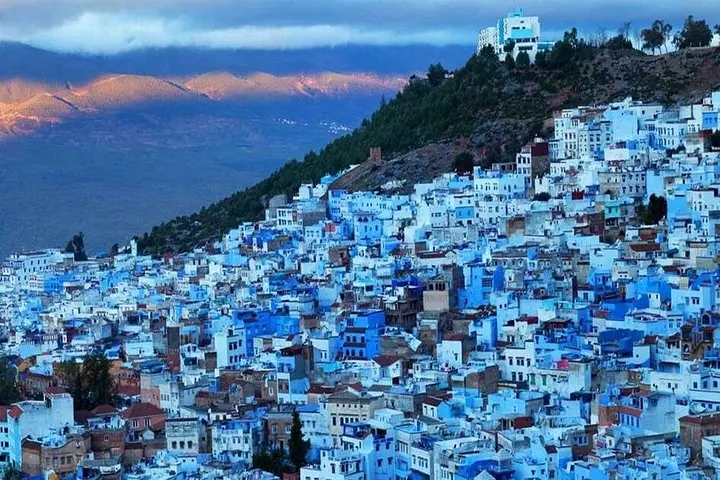
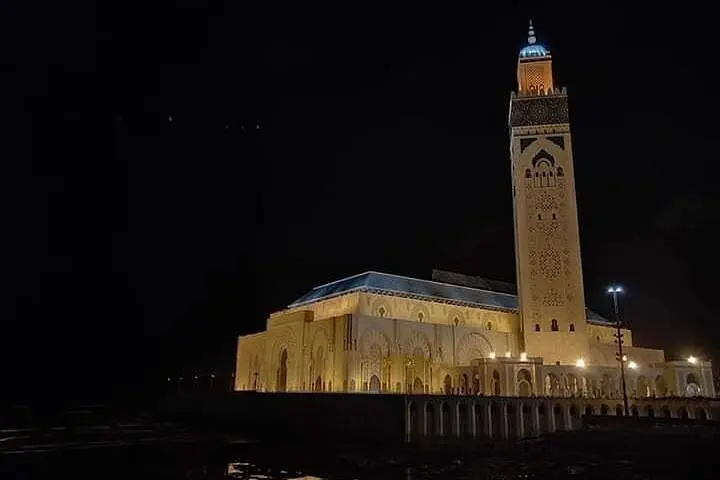
You arrive on a coastal morning in Casablanca, the Atlantic wind busying the palms, and by dusk you’re threading narrow lanes where laundry flaps across blue-washed alleys in Chefchaouen. Over the next eleven days the country unfolds in wide, deliberate shifts — Roman mosaics, cedar forests, desert dunes and the red dust of Marrakech’s medina.
Verified experiences and guided adventures in the surrounding area.
Operated by Sahara Morocco Travels · Marrakech, Marrakesh-Safi
You arrive on a coastal morning in Casablanca, the Atlantic wind busying the palms, and by dusk you’re threading narrow lanes where laundry flaps across blue-washed alleys in Chefchaouen. Over the next eleven days the country unfolds in wide, deliberate shifts — Roman mosaics, cedar forests, desert dunes and the red dust of Marrakech’s medina.
This route stitches together Morocco’s layered history: Roman Volubilis’ stone mosaics, the 17th-century ambitions of Moulay Ismail in Meknes, and the blend of Berber, Arab and Andalusian influences visible in Fes and the Kasbahs of Ait Ben Haddou. Geologically the journey moves from Atlantic plains to the High Atlas, cresting the Tichka Pass (about 2,260 m) before descending into the Marrakech basin; the Ziz River carves the approach to the Sahara, where wind-sculpted dunes dare you to climb them at sunset.
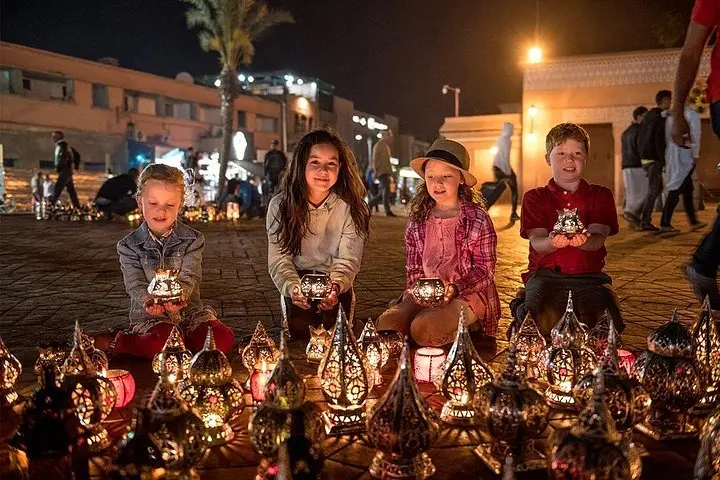
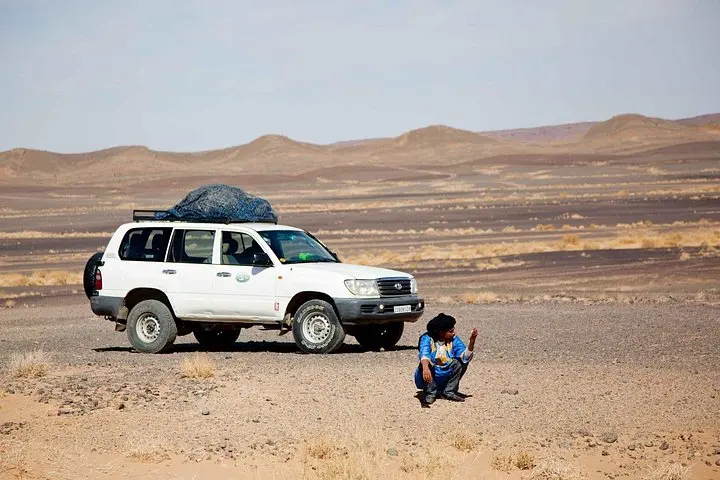
Culturally the trip is sensory — spices in open markets, the clack of leatherwork in Fes, and evening songs around a desert campfire. Expect long driving days (often 4–6 hours between major stops), short walking tours in medinas and a one-hour camel trek to reach the desert camp (optional jeep transfer available).
Practical guidance: travel light with a daypack, bring sturdy walking shoes for cobbled medina streets, and layer for temperature swings on the Atlas crossing. Carry cash for local purchases and allow time for unhurried photo stops; Morocco moves at human pace and rewards patience.
Spring (March–May) and fall (September–November) offer the most comfortable temperatures for city sightseeing, mountain crossings and desert nights.
The typical camel ride to camp is about one hour and gentle; you can request a jeep transfer if you prefer not to ride.
Many riads and lodges are traditional and may have stairs; the operator notes wheelchair-accessible options and should be informed ahead to arrange suitable transfers and rooms.
Check passport validity and visa requirements for your nationality; routine vaccinations are recommended and consult travel health guidance for country-specific advice.
Sahara Morocco Travels operates guided outdoor trips and adventures with an emphasis on safety, stewardship, and memorable experiences.
You arrive on a coastal morning in Casablanca, the Atlantic wind busying the palms, and by dusk you’re threading narrow lanes where laundry flaps across blue-washed alleys in Chefchaouen. Over the next eleven days the country unfolds in wide, deliberate shifts — Roman mosaics, cedar forests, desert dunes and the red dust of Marrakech’s medina.
You arrive on a coastal morning in Casablanca, the Atlantic wind busying the palms, and by dusk you’re threading narrow lanes where laundry flaps across blue-washed alleys in Chefchaouen. Over the next eleven days the country unfolds in wide, deliberate shifts — Roman mosaics, cedar forests, desert dunes and the red dust of Marrakech’s medina.
This route stitches together Morocco’s layered history: Roman Volubilis’ stone mosaics, the 17th-century ambitions of Moulay Ismail in Meknes, and the blend of Berber, Arab and Andalusian influences visible in Fes and the Kasbahs of Ait Ben Haddou. Geologically the journey moves from Atlantic plains to the High Atlas, cresting the Tichka Pass (about 2,260 m) before descending into the Marrakech basin; the Ziz River carves the approach to the Sahara, where wind-sculpted dunes dare you to climb them at sunset.
Culturally the trip is sensory — spices in open markets, the clack of leatherwork in Fes, and evening songs around a desert campfire. Expect long driving days (often 4–6 hours between major stops), short walking tours in medinas and a one-hour camel trek to reach the desert camp (optional jeep transfer available).
Practical guidance: travel light with a daypack, bring sturdy walking shoes for cobbled medina streets, and layer for temperature swings on the Atlas crossing. Carry cash for local purchases and allow time for unhurried photo stops; Morocco moves at human pace and rewards patience.