THE ADVENTURE COLLECTIVE® · Independent discovery and booking for outdoor travel

A full-day guided visit from Cusco/Puno that pairs the floating reed islands of the Uros with Taquile’s terraced weaving villages on Lake Titicaca. Expect boat crossings, uphill stone paths, and direct encounters with living Andean textile traditions.
A full-day guided visit from Cusco/Puno that pairs the floating reed islands of the Uros with Taquile’s terraced weaving villages on Lake Titicaca. Expect boat crossings, uphill stone paths, and direct encounters with living Andean textile traditions.
The boat cuts across highland light as the shore of Puno recedes and a sharp, dry wind pushes you forward — Lake Titicaca stretches flat and bright at 3,812 m, an inland sea that dares you to slow down and pay attention.
Verified experiences and guided adventures in the surrounding area.
Operated by Gets Travel Peru · Puno, Puno Region
The boat cuts across highland light as the shore of Puno recedes and a sharp, dry wind pushes you forward — Lake Titicaca stretches flat and bright at 3,812 m, an inland sea that dares you to slow down and pay attention.
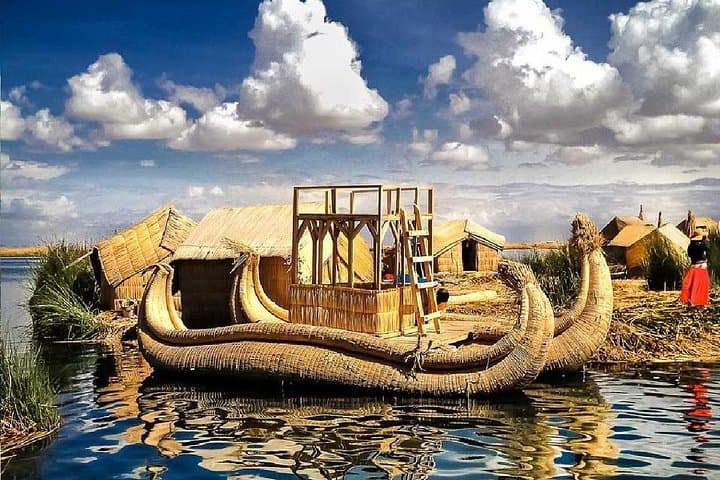
This day visit brings two distinct chapters of Andean life within a few hours: the floating totora islands of the Uros people and the terraced cliffs of Taquile. The Uros reed islands are human-made marvels, layered reeds that flex underfoot and smell of lake and sun; their makers preserve pre-Inca craft and navigate traditional reed boats. Taquile’s steep paths lead to cooperative-run workshops where men and women still weave with techniques recognized by UNESCO; the island’s stone terraces and panoramic ridgelines reveal the lake’s glacial and tectonic origins — a basin carved by ice and uplifted by the Andes.
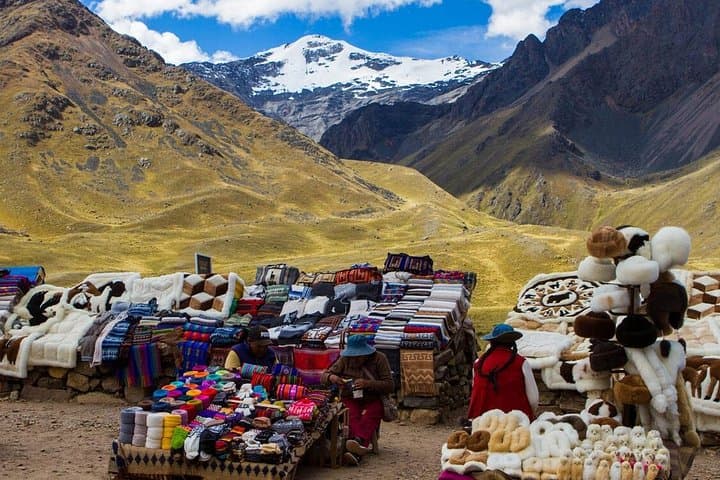
Culturally the day is compact: expect guided introductions to Aymara and Quechua heritage, meals of local trout and quinoa, and opportunities to buy handwoven textiles directly from island families. Practically, the trip is a full day (about 12 hours from Cusco when combined with overland travel to Puno), with several short boat crossings (30–90 minutes total on the water depending on itinerary) and uphill walks on uneven stone steps on Taquile (100–250 m elevation change from the pier).
Bring layers, sun protection, cash for crafts, and pace your breathing — altitude is the real variable. With preparation, the visit is an accessible, vivid window into living Andean traditions and the geological drama that shaped this high lake.
Crossings vary by route and weather but typically range from 20–60 minutes per leg; total time on the water across a standard Uros+Taquile itinerary is roughly 30–90 minutes.
Yes — Lake Titicaca sits around 3,812 m. Most visitors feel shortness of breath or mild headaches; hydrate, move slowly, and avoid heavy exertion if you’re not acclimatized.
Uros islands are human-made from totora reeds and maintained regularly by local families; they are safe to visit but can be soft underfoot, so follow your guide’s instructions and avoid running.
Yes — Taquile operates cooperatively and many villagers sell handwoven goods directly; bringing cash in small bills helps, and bargaining should be respectful and modest.
Gets Travel Peru operates guided outdoor trips and adventures with an emphasis on safety, stewardship, and memorable experiences.
The boat cuts across highland light as the shore of Puno recedes and a sharp, dry wind pushes you forward — Lake Titicaca stretches flat and bright at 3,812 m, an inland sea that dares you to slow down and pay attention.
The boat cuts across highland light as the shore of Puno recedes and a sharp, dry wind pushes you forward — Lake Titicaca stretches flat and bright at 3,812 m, an inland sea that dares you to slow down and pay attention.
This day visit brings two distinct chapters of Andean life within a few hours: the floating totora islands of the Uros people and the terraced cliffs of Taquile. The Uros reed islands are human-made marvels, layered reeds that flex underfoot and smell of lake and sun; their makers preserve pre-Inca craft and navigate traditional reed boats. Taquile’s steep paths lead to cooperative-run workshops where men and women still weave with techniques recognized by UNESCO; the island’s stone terraces and panoramic ridgelines reveal the lake’s glacial and tectonic origins — a basin carved by ice and uplifted by the Andes.
Culturally the day is compact: expect guided introductions to Aymara and Quechua heritage, meals of local trout and quinoa, and opportunities to buy handwoven textiles directly from island families. Practically, the trip is a full day (about 12 hours from Cusco when combined with overland travel to Puno), with several short boat crossings (30–90 minutes total on the water depending on itinerary) and uphill walks on uneven stone steps on Taquile (100–250 m elevation change from the pier).
Bring layers, sun protection, cash for crafts, and pace your breathing — altitude is the real variable. With preparation, the visit is an accessible, vivid window into living Andean traditions and the geological drama that shaped this high lake.