THE ADVENTURE COLLECTIVE® · Independent discovery and booking for outdoor travel

Leave Glasgow for a day of lochs, ruined castles and glens that still hold the echoes of history. This full-day private tour delivers short walks, big views and a lively lunch stop in Oban—the Gateway to the Isles.
Leave Glasgow for a day of lochs, ruined castles and glens that still hold the echoes of history. This full-day private tour delivers short walks, big views and a lively lunch stop in Oban—the Gateway to the Isles.
The tires whisper over wet tarmac as Glasgow slips away and the city’s glass and sandstone give way to a highland rhythm of loch, stone and wind. By the time the minibus eases into Tarbet, Loch Lomond has stretched itself along the horizon like a slow-moving river that dares you to stop and look. This is a day built for windows-down travel—short hikes, long views and a handful of places where history presses against the present.
Verified experiences and guided adventures in the surrounding area.
Operated by Anderson Scottish Tours · Glasgow, Scotland
The tires whisper over wet tarmac as Glasgow slips away and the city’s glass and sandstone give way to a highland rhythm of loch, stone and wind. By the time the minibus eases into Tarbet, Loch Lomond has stretched itself along the horizon like a slow-moving river that dares you to stop and look. This is a day built for windows-down travel—short hikes, long views and a handful of places where history presses against the present.
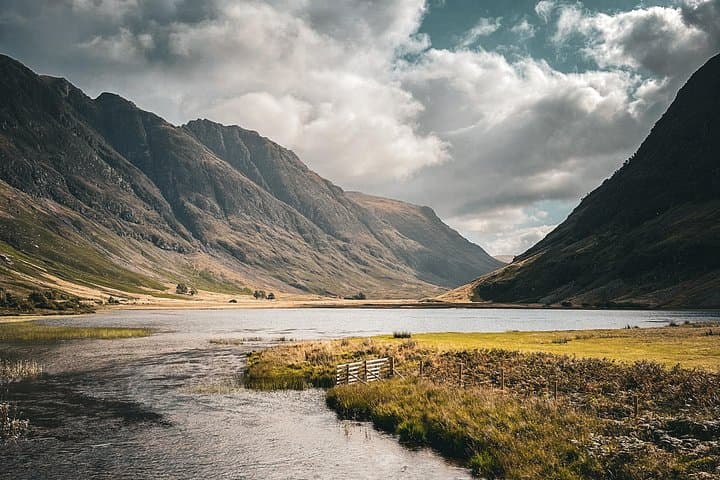
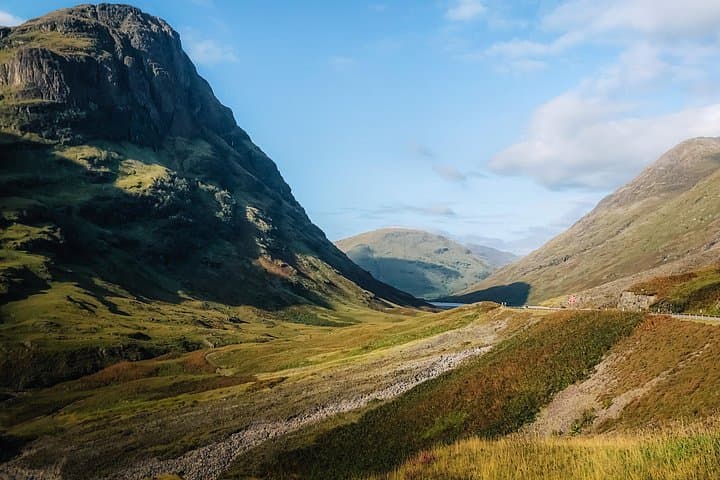
Geology here reads like a field guide to extremes: ancient volcanic beds overlain by the scouring work of ice. Glencoe’s steep corries and serrated ridgelines were carved by retreating glaciers; the valley still smells faintly of peat and rain. Loch Lomond, the largest loch by surface area in Britain, sits in a rift of softer sediments, its shallow islands and deep bays shaped by both tectonic stress and ice-age melt.
History threads the route. Glencoe carries the memory of the 1692 Massacre—its slopes saw clan betrayal and now offer a quiet, raw beauty that rewards slow attention. Kilchurn Castle, a 15th-century Campbell stronghold, stands half-ruined at the head of Loch Awe, its stones darkened by centuries of weather and warfare. St Conan’s Kirk, with its eclectic Romanesque and Celtic details, hints at quieter stories: regional devotion, local craftsmanship and a purported relic tied to Robert the Bruce.
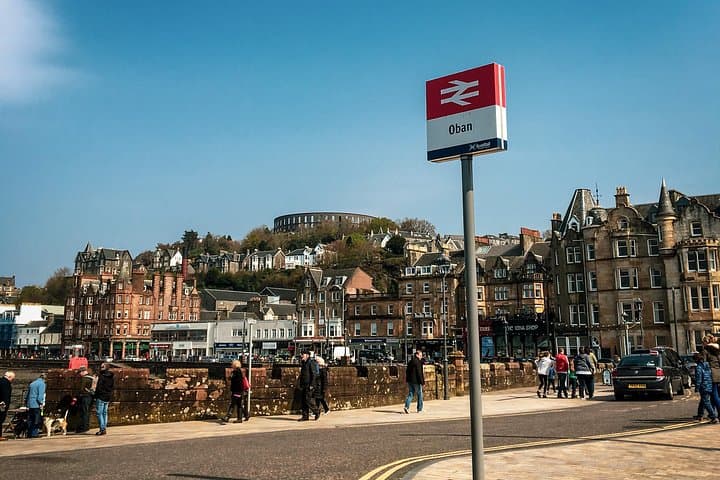
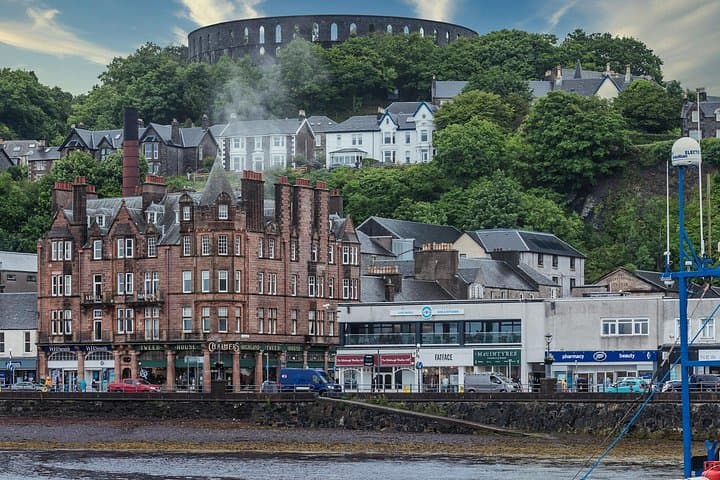
Oban feels different—maritime and bustling, the town that watches ferries ferry the Hebridean isles. Lunch on the waterfront is part theatre; oyster shuckers and fish stalls perform the day’s catch while McCaig’s Tower watches like a curious relative above the town.
Practical guidance: this is a full-day private tour—expect roughly 10–11 hours including pickup and drop-off in Glasgow. Stops are short: most on-foot explorations are between 0.5–2 km with minimal elevation gain (generally under 100 m), so sturdy walking shoes suffice rather than mountaineering gear. Bring a waterproof shell and layers—the weather can flip from sun to squall in an hour. There are public toilets at major stops and a 90-minute lunch window in Oban; if you want a specific restaurant, book ahead in summer.
Timing and tips: sunrise colors the lochs best if you can take an early seat by a window; mid-afternoon light deepens the glen shadows for dramatic photos. If you’re chasing northern wildlife, keep a patient eye along loch edges and open hill slopes. The tour operator provides bottled water and air-conditioned transport; accessibility is high but check mobility needs when you book. By evening, Glasgow’s skyline will reappear and the day will feel like a compact lesson in why the West Highlands keep drawing people back—raw, readable and intensely alive.
The tour lasts approximately 10–11 hours and departs from central Glasgow with hotel pickup options available.
Yes—there’s a 90-minute window for lunch and exploring the waterfront, shops and McCaig’s Tower area.
No—most on-foot exploration is short (0.5–2 km) with modest steps; suitable for most ability levels.
Admission is not required to view Kilchurn from the viewpoint; access inside St Conan’s Kirk depends on opening hours but no ticket is included.
Yes—inform the operator when booking and they can suggest lunch options or adjustments during the Oban stop.
Yes—infant seats are available and the tour notes stroller access; discuss specifics with the operator at booking.
Anderson Scottish Tours operates guided outdoor trips and adventures with an emphasis on safety, stewardship, and memorable experiences.
The tires whisper over wet tarmac as Glasgow slips away and the city’s glass and sandstone give way to a highland rhythm of loch, stone and wind. By the time the minibus eases into Tarbet, Loch Lomond has stretched itself along the horizon like a slow-moving river that dares you to stop and look. This is a day built for windows-down travel—short hikes, long views and a handful of places where history presses against the present.
The tires whisper over wet tarmac as Glasgow slips away and the city’s glass and sandstone give way to a highland rhythm of loch, stone and wind. By the time the minibus eases into Tarbet, Loch Lomond has stretched itself along the horizon like a slow-moving river that dares you to stop and look. This is a day built for windows-down travel—short hikes, long views and a handful of places where history presses against the present.
Geology here reads like a field guide to extremes: ancient volcanic beds overlain by the scouring work of ice. Glencoe’s steep corries and serrated ridgelines were carved by retreating glaciers; the valley still smells faintly of peat and rain. Loch Lomond, the largest loch by surface area in Britain, sits in a rift of softer sediments, its shallow islands and deep bays shaped by both tectonic stress and ice-age melt.
History threads the route. Glencoe carries the memory of the 1692 Massacre—its slopes saw clan betrayal and now offer a quiet, raw beauty that rewards slow attention. Kilchurn Castle, a 15th-century Campbell stronghold, stands half-ruined at the head of Loch Awe, its stones darkened by centuries of weather and warfare. St Conan’s Kirk, with its eclectic Romanesque and Celtic details, hints at quieter stories: regional devotion, local craftsmanship and a purported relic tied to Robert the Bruce.
Oban feels different—maritime and bustling, the town that watches ferries ferry the Hebridean isles. Lunch on the waterfront is part theatre; oyster shuckers and fish stalls perform the day’s catch while McCaig’s Tower watches like a curious relative above the town.
Practical guidance: this is a full-day private tour—expect roughly 10–11 hours including pickup and drop-off in Glasgow. Stops are short: most on-foot explorations are between 0.5–2 km with minimal elevation gain (generally under 100 m), so sturdy walking shoes suffice rather than mountaineering gear. Bring a waterproof shell and layers—the weather can flip from sun to squall in an hour. There are public toilets at major stops and a 90-minute lunch window in Oban; if you want a specific restaurant, book ahead in summer.
Timing and tips: sunrise colors the lochs best if you can take an early seat by a window; mid-afternoon light deepens the glen shadows for dramatic photos. If you’re chasing northern wildlife, keep a patient eye along loch edges and open hill slopes. The tour operator provides bottled water and air-conditioned transport; accessibility is high but check mobility needs when you book. By evening, Glasgow’s skyline will reappear and the day will feel like a compact lesson in why the West Highlands keep drawing people back—raw, readable and intensely alive.