THE ADVENTURE COLLECTIVE® · Independent discovery and booking for outdoor travel

Spend a long day with two of Sichuan’s signature experiences: morning activity at the Chengdu Panda Base and a riverside encounter with the 71‑m Leshan Giant Buddha. This private tour pairs wildlife viewing with riverside history, all in one practical itinerary.
Spend a long day with two of Sichuan’s signature experiences: morning activity at the Chengdu Panda Base and a riverside encounter with the 71‑m Leshan Giant Buddha. This private tour pairs wildlife viewing with riverside history, all in one practical itinerary.
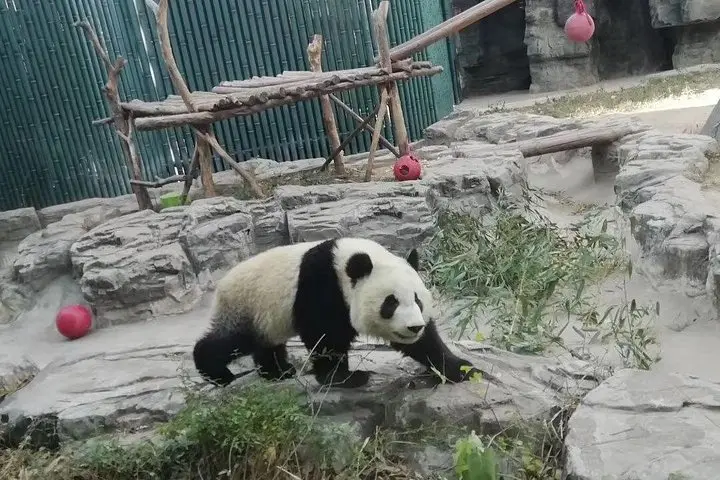
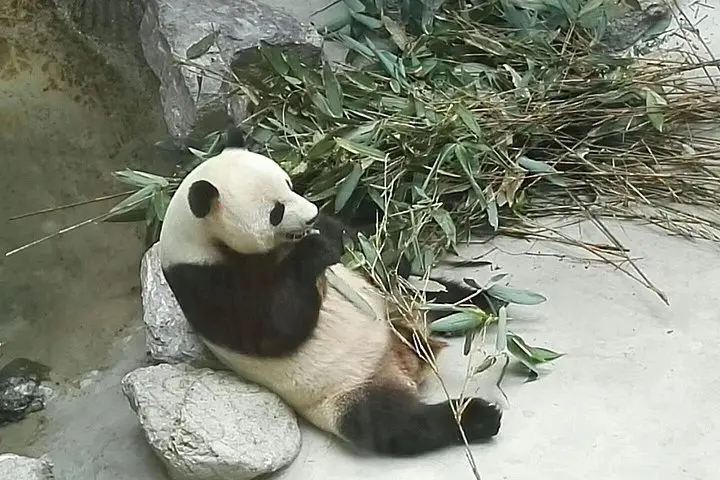
You meet your guide in a hotel lobby at 8:00 a.m., the city still easing into traffic as the van steers north to a patch of bamboo and quiet energy—Chengdu Research Base of Giant Panda Breeding. Morning is the active hour: pandas stretch, shuffle, and take their sweet, deliberate bites of bamboo while keepers move between enclosures.
Verified experiences and guided adventures in the surrounding area.
Operated by SilkRoadTrips · Chengdu, Sichuan
You meet your guide in a hotel lobby at 8:00 a.m., the city still easing into traffic as the van steers north to a patch of bamboo and quiet energy—Chengdu Research Base of Giant Panda Breeding. Morning is the active hour: pandas stretch, shuffle, and take their sweet, deliberate bites of bamboo while keepers move between enclosures.
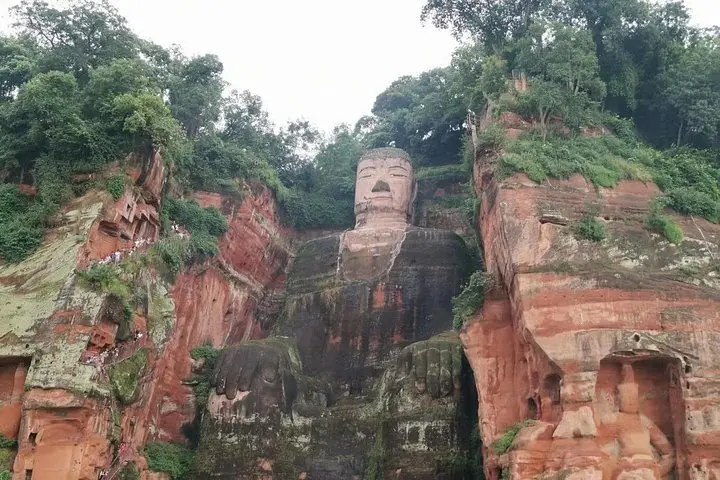
The day pivots after lunch with a two-hour drive southwest to Leshan, where the Min and Dadu rivers conspire at the base of a cliff to cradle a 71‑meter stone Buddha carved between 713 and 803 AD. The Buddha watches the river below; you can climb the worn stone steps for close inspection of its carved details, or let the river frame the statue from a boat, the current pushing you gently into perspective.
This route combines living conservation work and Tang‑era monumental carving: pandas represent modern scientific rescue and captive-breeding efforts, while the Leshan Buddha reflects medieval Buddhist patronage and river-management engineering in Sichuan’s red sandstone cliffs.
Practical edge: expect a long day (10–12 hours) with light walking, steep steps at the Buddha, and time in transit. Mornings are best for active panda viewing; Leshan grows busiest midday. Bring comfortable shoes, sun protection, and a compact daypack. Follow on-site rules—no flash near animals, stay on designated paths at cultural sites—and plan for simple Chinese-language transactions if you wander local stalls. Hydrate, pace your photography, and you’ll leave with a clear sense of both Sichuan’s wildlife conservation and its human scale of devotion.
Pickup is typically at 8:00 a.m. from central Chengdu hotels; expect a 10–12 hour day including transit and visits.
Morning visits increase the chance of seeing feeding or active behavior, though pandas follow care routines and sightings cannot be guaranteed.
Yes—there is a boat option to see the Buddha from the river, which offers a dramatic full-frontal perspective without the steep climb.
This private tour’s listed inclusions specify entrance fees and lunch are included, along with bottled water and hotel pickup/drop-off from central Chengdu.
SilkRoadTrips operates guided outdoor trips and adventures with an emphasis on safety, stewardship, and memorable experiences.

You meet your guide in a hotel lobby at 8:00 a.m., the city still easing into traffic as the van steers north to a patch of bamboo and quiet energy—Chengdu Research Base of Giant Panda Breeding. Morning is the active hour: pandas stretch, shuffle, and take their sweet, deliberate bites of bamboo while keepers move between enclosures.
You meet your guide in a hotel lobby at 8:00 a.m., the city still easing into traffic as the van steers north to a patch of bamboo and quiet energy—Chengdu Research Base of Giant Panda Breeding. Morning is the active hour: pandas stretch, shuffle, and take their sweet, deliberate bites of bamboo while keepers move between enclosures.
The day pivots after lunch with a two-hour drive southwest to Leshan, where the Min and Dadu rivers conspire at the base of a cliff to cradle a 71‑meter stone Buddha carved between 713 and 803 AD. The Buddha watches the river below; you can climb the worn stone steps for close inspection of its carved details, or let the river frame the statue from a boat, the current pushing you gently into perspective.
This route combines living conservation work and Tang‑era monumental carving: pandas represent modern scientific rescue and captive-breeding efforts, while the Leshan Buddha reflects medieval Buddhist patronage and river-management engineering in Sichuan’s red sandstone cliffs.
Practical edge: expect a long day (10–12 hours) with light walking, steep steps at the Buddha, and time in transit. Mornings are best for active panda viewing; Leshan grows busiest midday. Bring comfortable shoes, sun protection, and a compact daypack. Follow on-site rules—no flash near animals, stay on designated paths at cultural sites—and plan for simple Chinese-language transactions if you wander local stalls. Hydrate, pace your photography, and you’ll leave with a clear sense of both Sichuan’s wildlife conservation and its human scale of devotion.