THE ADVENTURE COLLECTIVE® · Independent discovery and booking for outdoor travel

A full-day coastal run from Natal to João Pessoa that hits Tambaú, Cabo Branco and the easternmost Ponta dos Seixas—finishing with the iconic Boléro saxophone sunset on Jacaré Beach. Expect a long, scenic day with minimal walking and rich cultural stops.
A full-day coastal run from Natal to João Pessoa that hits Tambaú, Cabo Branco and the easternmost Ponta dos Seixas—finishing with the iconic Boléro saxophone sunset on Jacaré Beach. Expect a long, scenic day with minimal walking and rich cultural stops.
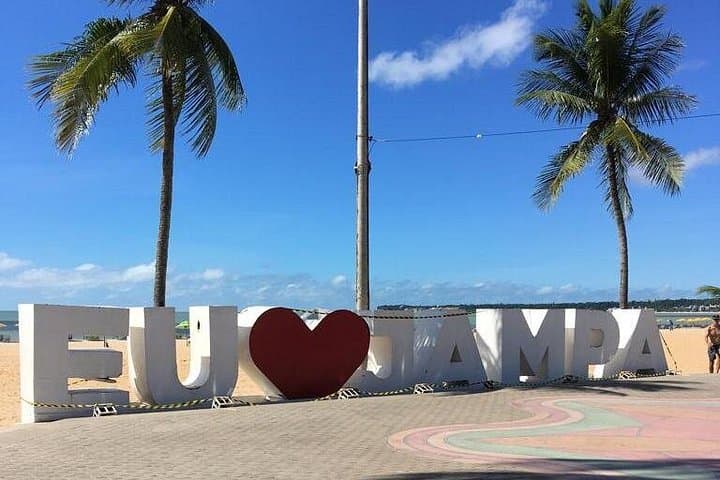
You step onto the bus before dawn in Natal and watch the coastline blur into a ribbon of sand and coconut palms. The ride eases you east toward João Pessoa, where the sea seems to lean forward and the wind argues with the palms. Along the way you pass Tambaú and Cabo Branco beaches—wide, blue-green strands where living cliffs rise and erode like a slow-moving sculptor—before arriving at Ponta dos Seixas, the easternmost point of continental Brazil, where the Atlantic pushes light over the horizon.
Verified experiences and guided adventures in the surrounding area.
Operated by NatalVans · João Pessoa, Paraíba
You step onto the bus before dawn in Natal and watch the coastline blur into a ribbon of sand and coconut palms. The ride eases you east toward João Pessoa, where the sea seems to lean forward and the wind argues with the palms. Along the way you pass Tambaú and Cabo Branco beaches—wide, blue-green strands where living cliffs rise and erode like a slow-moving sculptor—before arriving at Ponta dos Seixas, the easternmost point of continental Brazil, where the Atlantic pushes light over the horizon.
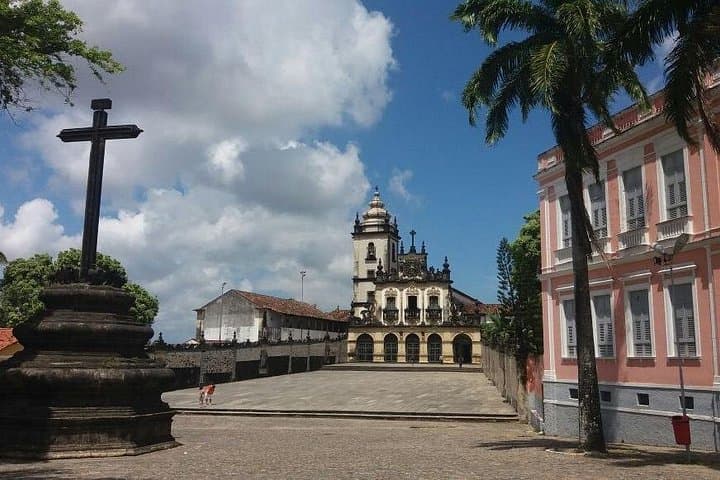
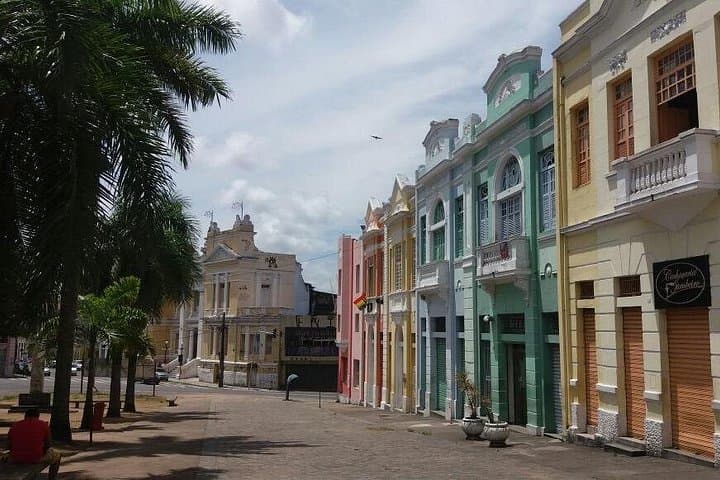
João Pessoa’s streets preserve baroque architecture and a layered colonial past: Portuguese-era churches, fortifications, and plazas that reveal a city shaped by sugar, sea and indigenous trade routes. Geologically, the “living cliffs” at Cabo Branco expose sedimentary layers and active coastal erosion; tidal patterns here are generous, altering shorelines between seasons.
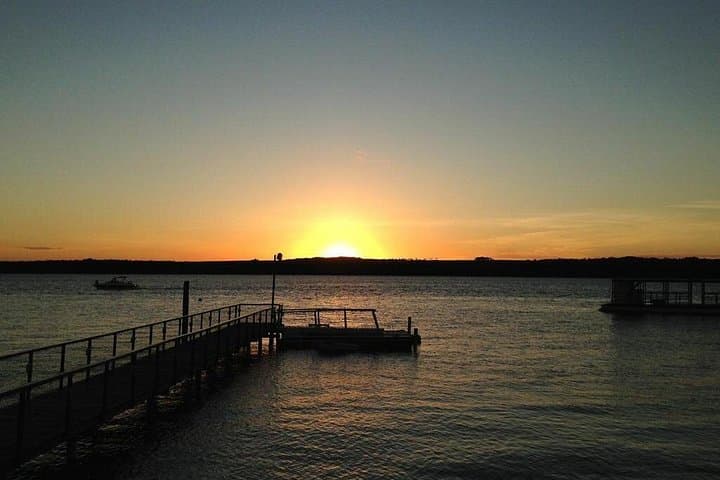
The day finishes at Jacaré Beach in Cabedelo, watching the sun drop while a lone saxophonist plays Ravel’s Boléro from a riverside barge—an unusual but local cultural ritual. Expect a full 14-hour itinerary with accredited guides, intercity transport and limited walking: the tour is scenic and low-impact physically but high on sensory detail.
Practical tips: bring sun protection and water, and pack a lightweight rain jacket in the wet months. Mobility needs are minimal, but the day is long—carry snacks and layers for evening breeze at the river mouth. The tour passes beaches without swim stops; if you want beach time, plan an overnight in João Pessoa and return independently.
The tour lasts about 14 hours and includes accredited transportation and local guiding; admissions are generally not included.
No; the itinerary passes Tambaú and Cabo Branco without stopping for swimming—plan a separate beach day if you want to swim.
Children are allowed; infants must sit on laps. The tour is rated easy but involves a long day in transit.
Light layers for the evening breeze, casual shoes for riverbank footing, and insect protection if you stay after sunset.
NatalVans operates guided outdoor trips and adventures with an emphasis on safety, stewardship, and memorable experiences.
You step onto the bus before dawn in Natal and watch the coastline blur into a ribbon of sand and coconut palms. The ride eases you east toward João Pessoa, where the sea seems to lean forward and the wind argues with the palms. Along the way you pass Tambaú and Cabo Branco beaches—wide, blue-green strands where living cliffs rise and erode like a slow-moving sculptor—before arriving at Ponta dos Seixas, the easternmost point of continental Brazil, where the Atlantic pushes light over the horizon.
You step onto the bus before dawn in Natal and watch the coastline blur into a ribbon of sand and coconut palms. The ride eases you east toward João Pessoa, where the sea seems to lean forward and the wind argues with the palms. Along the way you pass Tambaú and Cabo Branco beaches—wide, blue-green strands where living cliffs rise and erode like a slow-moving sculptor—before arriving at Ponta dos Seixas, the easternmost point of continental Brazil, where the Atlantic pushes light over the horizon.
João Pessoa’s streets preserve baroque architecture and a layered colonial past: Portuguese-era churches, fortifications, and plazas that reveal a city shaped by sugar, sea and indigenous trade routes. Geologically, the “living cliffs” at Cabo Branco expose sedimentary layers and active coastal erosion; tidal patterns here are generous, altering shorelines between seasons.
The day finishes at Jacaré Beach in Cabedelo, watching the sun drop while a lone saxophonist plays Ravel’s Boléro from a riverside barge—an unusual but local cultural ritual. Expect a full 14-hour itinerary with accredited guides, intercity transport and limited walking: the tour is scenic and low-impact physically but high on sensory detail.
Practical tips: bring sun protection and water, and pack a lightweight rain jacket in the wet months. Mobility needs are minimal, but the day is long—carry snacks and layers for evening breeze at the river mouth. The tour passes beaches without swim stops; if you want beach time, plan an overnight in João Pessoa and return independently.