THE ADVENTURE COLLECTIVE® · Independent discovery and booking for outdoor travel

A private 10-hour vehicle tour from Osaka that condenses Kyoto or Nara’s top cultural sites into a single, comfortable day—Arashiyama bamboo, Kiyomizu-dera’s terraces, Fushimi Inari’s torii and the free-roaming deer of Nara Park. Perfect for first-time Kansai visitors who want efficient, guided access to major highlights.
A private 10-hour vehicle tour from Osaka that condenses Kyoto or Nara’s top cultural sites into a single, comfortable day—Arashiyama bamboo, Kiyomizu-dera’s terraces, Fushimi Inari’s torii and the free-roaming deer of Nara Park. Perfect for first-time Kansai visitors who want efficient, guided access to major highlights.
You step into a comfortable van in Osaka as the city hum fades and the Kansai countryside unfolds through the window—rice paddies, old train lines and temple roofs punctuating the skyline.
Verified experiences and guided adventures in the surrounding area.
Operated by new worlds group · Osaka, Osaka Prefecture
You step into a comfortable van in Osaka as the city hum fades and the Kansai countryside unfolds through the window—rice paddies, old train lines and temple roofs punctuating the skyline.
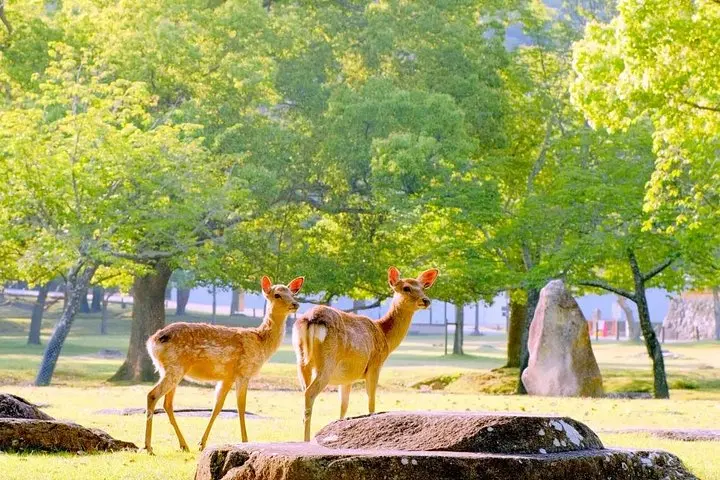
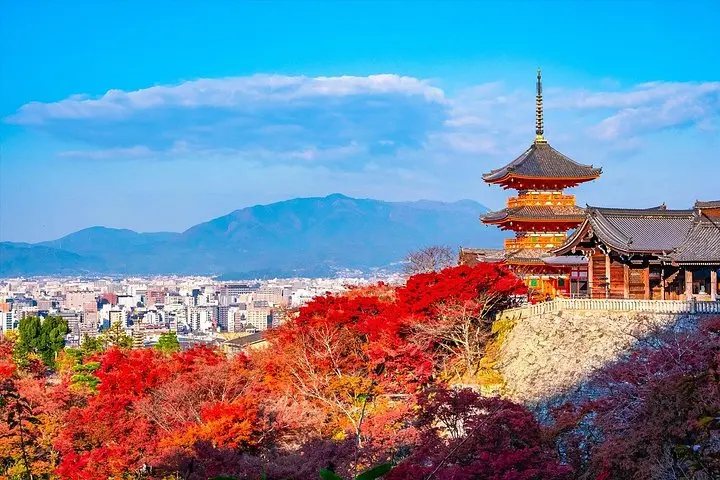
Over ten hours the vehicle threads between two different kinds of Japanese heritage: the bamboo-grove quiet of Arashiyama and the wooden terraces of Kiyomizu-dera in Kyoto, or the vermilion tunnels at Fushimi Inari and the deer-lined lawns of Nara Park. Drivers double as guides, steering you to iconic viewpoints and offering local context on the way.
This corridor holds Japan’s oldest civic centers: Nara was the 8th-century capital and Kyoto the imperial seat for a millennium, so expect temples dating to the Nara and Heian periods and landscaped parks shaped by centuries of culture. Geologically the region sits on gentle hills carved by rivers draining into Osaka Bay; moss and bamboo thrive in the humid climate.
Practical notes: the tour covers several kilometers of walking at each stop—stone steps at Kiyomizu and packed dirt paths in Nara—so plan for mixed terrain and many short hikes. Admissions are typically not included; tolls, oil and the vehicle are covered. Languages include English, Japanese and Chinese, and a child seat is provided on request.
Timing matters: start early to avoid mid-day crowds at Fushimi Inari or the Arashiyama bridge. Bring cash for small shrine offerings and snacks, hydrate frequently in summer, and leave soft plastic-free waste with your group. This day is ideal for travelers who want concentrated cultural immersion with the ease of door-to-door transport.
Admissions are typically not included; the vehicle, driver-guide, oil and tolls are covered—bring cash for entry fees when required.
Departures are from Osaka with pickup points available; confirm your pickup location when booking—drop-off is typically back in Osaka unless arranged otherwise.
The tour offers child seats for young children and can accommodate infants; specify age and requirements during booking.
Driver-guides provide Japanese, English and Chinese services for smooth communication.
new worlds group operates guided outdoor trips and adventures with an emphasis on safety, stewardship, and memorable experiences.

You step into a comfortable van in Osaka as the city hum fades and the Kansai countryside unfolds through the window—rice paddies, old train lines and temple roofs punctuating the skyline.
You step into a comfortable van in Osaka as the city hum fades and the Kansai countryside unfolds through the window—rice paddies, old train lines and temple roofs punctuating the skyline.
Over ten hours the vehicle threads between two different kinds of Japanese heritage: the bamboo-grove quiet of Arashiyama and the wooden terraces of Kiyomizu-dera in Kyoto, or the vermilion tunnels at Fushimi Inari and the deer-lined lawns of Nara Park. Drivers double as guides, steering you to iconic viewpoints and offering local context on the way.
This corridor holds Japan’s oldest civic centers: Nara was the 8th-century capital and Kyoto the imperial seat for a millennium, so expect temples dating to the Nara and Heian periods and landscaped parks shaped by centuries of culture. Geologically the region sits on gentle hills carved by rivers draining into Osaka Bay; moss and bamboo thrive in the humid climate.
Practical notes: the tour covers several kilometers of walking at each stop—stone steps at Kiyomizu and packed dirt paths in Nara—so plan for mixed terrain and many short hikes. Admissions are typically not included; tolls, oil and the vehicle are covered. Languages include English, Japanese and Chinese, and a child seat is provided on request.
Timing matters: start early to avoid mid-day crowds at Fushimi Inari or the Arashiyama bridge. Bring cash for small shrine offerings and snacks, hydrate frequently in summer, and leave soft plastic-free waste with your group. This day is ideal for travelers who want concentrated cultural immersion with the ease of door-to-door transport.