THE ADVENTURE COLLECTIVE® · Independent discovery and booking for outdoor travel

Drive the historic caravan route from Ouarzazate into the Draa Valley to visit mud-brick kasbahs, Tamegroute’s verde pottery and a camel ride in the Tinfou dunes. A full-day cultural and desert experience with a local lunch.
Drive the historic caravan route from Ouarzazate into the Draa Valley to visit mud-brick kasbahs, Tamegroute’s verde pottery and a camel ride in the Tinfou dunes. A full-day cultural and desert experience with a local lunch.
You leave Ouarzazate before dawn and the road narrows into a ribbon of ochre and shadow between low Anti-Atlas ridges. The car hums; palms appear and then a river that seems to dare the desert to stay dry. By midmorning the Draa Valley opens — a green corridor of date palms and mud-brick kasbahs backed by the jagged silhouette of Jbel Kissane, its slopes still holding winter snow at higher elevation.
Verified experiences and guided adventures in the surrounding area.
Operated by Explore Morocco Travel SARL · Zagora, Drâa-Tafilalet
You leave Ouarzazate before dawn and the road narrows into a ribbon of ochre and shadow between low Anti-Atlas ridges. The car hums; palms appear and then a river that seems to dare the desert to stay dry. By midmorning the Draa Valley opens — a green corridor of date palms and mud-brick kasbahs backed by the jagged silhouette of Jbel Kissane, its slopes still holding winter snow at higher elevation.
This route follows an old caravan road to Timbuktu. Kasbah Tamnougalt and the houses of Tamegroute show how communities stacked earth and wood to keep heat out and water in. Tamegroute’s green pottery and its centuries-old Quranic library feel like a pocket of quiet resistance against the desert’s motion.
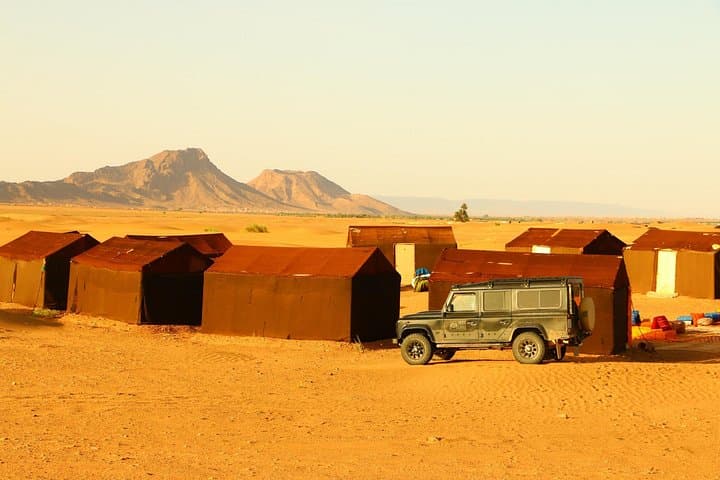
After a shared lunch in a local home—tea poured ceremonially and stories about nomadic life—you head to Tinfou’s dunes. The camel walk is deliberate; the animal sets the pace and the desert rewards you with long shadows, wind-sculpted ripples and a horizon that tilts toward silence.
Practical edge: this is a full-day, mostly driving experience with short walks and one gentle camel trek. Bring sun protection, at least 2 liters of water, and shoes that can handle sand and cobbled kasbah lanes. Respect private homes and religious sites: ask before photographing interiors and remove shoes when invited. Timing matters—if you want softer light and cooler temps opt for early departure and the late-afternoon camel ride. The day balances history, geology and living Berber culture into a compact taste of southern Morocco.
The camel ride at the Tinfou dunes is typically about 30–45 minutes, designed for gentle walking to a dune summit and back.
Hosts can often accommodate common dietary needs if notified in advance; use the booking’s special requirements field to confirm.
No—camels used here are trained for short tourist rides and guides brief riders on mounting and dismounting safely.
Yes—the itinerary includes guided stops at Tamnougalt Kasbah and Tamegroute with local guides and time to explore the pottery workshops and library.
Explore Morocco Travel SARL operates guided outdoor trips and adventures with an emphasis on safety, stewardship, and memorable experiences.

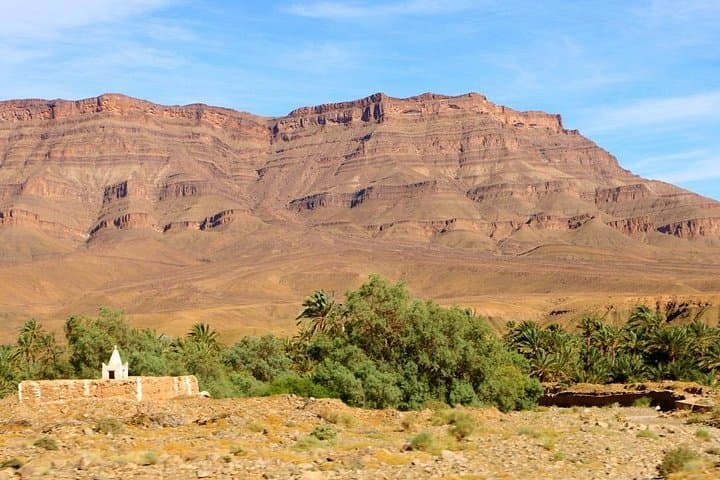

You leave Ouarzazate before dawn and the road narrows into a ribbon of ochre and shadow between low Anti-Atlas ridges. The car hums; palms appear and then a river that seems to dare the desert to stay dry. By midmorning the Draa Valley opens — a green corridor of date palms and mud-brick kasbahs backed by the jagged silhouette of Jbel Kissane, its slopes still holding winter snow at higher elevation.
You leave Ouarzazate before dawn and the road narrows into a ribbon of ochre and shadow between low Anti-Atlas ridges. The car hums; palms appear and then a river that seems to dare the desert to stay dry. By midmorning the Draa Valley opens — a green corridor of date palms and mud-brick kasbahs backed by the jagged silhouette of Jbel Kissane, its slopes still holding winter snow at higher elevation.
This route follows an old caravan road to Timbuktu. Kasbah Tamnougalt and the houses of Tamegroute show how communities stacked earth and wood to keep heat out and water in. Tamegroute’s green pottery and its centuries-old Quranic library feel like a pocket of quiet resistance against the desert’s motion.
After a shared lunch in a local home—tea poured ceremonially and stories about nomadic life—you head to Tinfou’s dunes. The camel walk is deliberate; the animal sets the pace and the desert rewards you with long shadows, wind-sculpted ripples and a horizon that tilts toward silence.
Practical edge: this is a full-day, mostly driving experience with short walks and one gentle camel trek. Bring sun protection, at least 2 liters of water, and shoes that can handle sand and cobbled kasbah lanes. Respect private homes and religious sites: ask before photographing interiors and remove shoes when invited. Timing matters—if you want softer light and cooler temps opt for early departure and the late-afternoon camel ride. The day balances history, geology and living Berber culture into a compact taste of southern Morocco.