THE ADVENTURE COLLECTIVE® · Independent discovery and booking for outdoor travel

Swap city traffic for the steady rhythm of a working dairy on a full-day excursion from Trivandrum. At JK Farms you’ll tour feed yards, watch automated milking, learn about dung-to-energy systems and finish with a fresh milk dessert.
Swap city traffic for the steady rhythm of a working dairy on a full-day excursion from Trivandrum. At JK Farms you’ll tour feed yards, watch automated milking, learn about dung-to-energy systems and finish with a fresh milk dessert.
The first thing you notice when the city thins and the road narrows is the smell—a working countryside that smells of grass, warm earth and the sharp sweetness of fresh milk. A 90-minute drive from Trivandrum deposits you at JK Farms, one of Kerala’s larger high-tech dairy operations, where cows move like convinced collaborators and machines hum a steady, efficient counterpoint.
Verified experiences and guided adventures in the surrounding area.
Operated by THE TOURDESIGNERS · Thiruvananthapuram, Kerala
The first thing you notice when the city thins and the road narrows is the smell—a working countryside that smells of grass, warm earth and the sharp sweetness of fresh milk. A 90-minute drive from Trivandrum deposits you at JK Farms, one of Kerala’s larger high-tech dairy operations, where cows move like convinced collaborators and machines hum a steady, efficient counterpoint.
The farm tour blends living tradition with modern agribusiness: guides explain the cultural reverence for cows in Kerala, then pivot to feed formulation, mechanized milking and biogas digesters that convert dung into power. Geologically the region sits on the western ghats’ foothills—lateritic soils and red clay that shape pasture management and drainage.
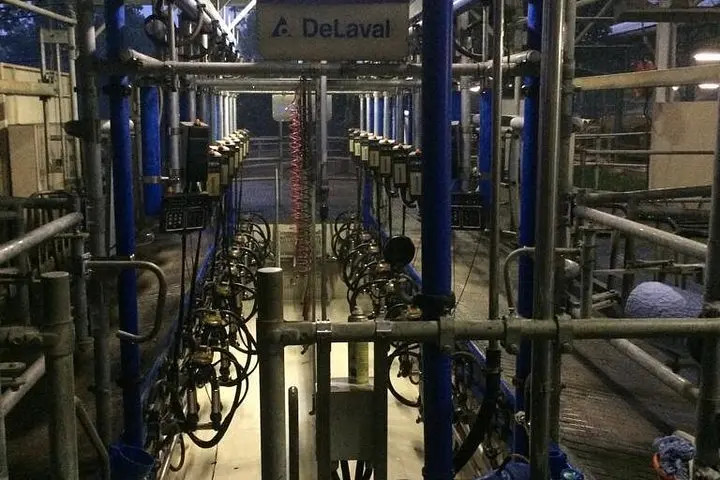
Visitors get hands-on observation rather than heavy labor: watch automated milking lines, see fodder processing, and taste a fresh milk dessert at the end. Expect local context—how land use changed after green-revolution practices and how a commercial dairy integrates with village economies.
Practical guidance: wear closed-toe shoes for stable footing on concrete and muddy pens, bring a refillable water bottle and sunscreen, and be ready for humidity year-round. Tours last about three hours on-site within an eight-hour, door-to-door excursion; infants must sit on laps and a smart-casual dress code applies.
For travelers, the best windows are morning visits when cows are calmer and the milking process is active; mid-day humidity can make outdoor observation sticky. The visit is educational, quiet enough for families, and a clear look at how small-scale traditions and technology meet on Kerala’s agrarian edge.
Yes—round-trip air-conditioned transfer is included; pickup and drop-off are available from selected hotels.
Yes—families are welcome but infants must sit on an adult’s lap and a minimum of two people per booking is required.
The tour focuses on observation of the automated milking process rather than hands-on milking; guides explain each step.
A special fresh milk dessert is included at the end of the visit; bring snacks if you have dietary restrictions.
THE TOURDESIGNERS operates guided outdoor trips and adventures with an emphasis on safety, stewardship, and memorable experiences.
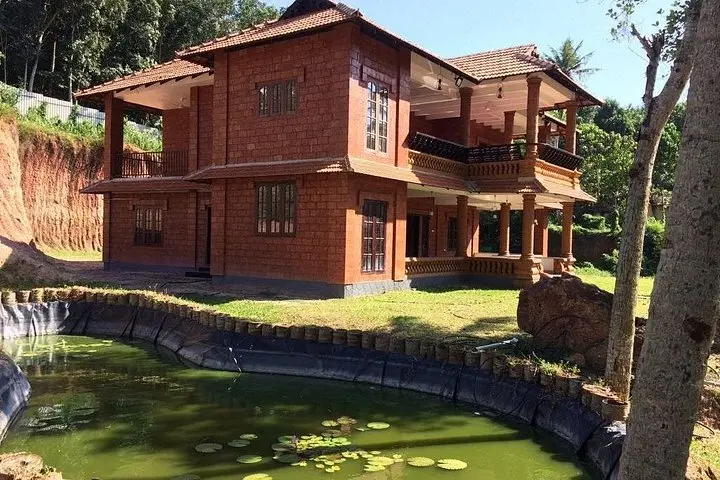
The first thing you notice when the city thins and the road narrows is the smell—a working countryside that smells of grass, warm earth and the sharp sweetness of fresh milk. A 90-minute drive from Trivandrum deposits you at JK Farms, one of Kerala’s larger high-tech dairy operations, where cows move like convinced collaborators and machines hum a steady, efficient counterpoint.
The first thing you notice when the city thins and the road narrows is the smell—a working countryside that smells of grass, warm earth and the sharp sweetness of fresh milk. A 90-minute drive from Trivandrum deposits you at JK Farms, one of Kerala’s larger high-tech dairy operations, where cows move like convinced collaborators and machines hum a steady, efficient counterpoint.
The farm tour blends living tradition with modern agribusiness: guides explain the cultural reverence for cows in Kerala, then pivot to feed formulation, mechanized milking and biogas digesters that convert dung into power. Geologically the region sits on the western ghats’ foothills—lateritic soils and red clay that shape pasture management and drainage.
Visitors get hands-on observation rather than heavy labor: watch automated milking lines, see fodder processing, and taste a fresh milk dessert at the end. Expect local context—how land use changed after green-revolution practices and how a commercial dairy integrates with village economies.
Practical guidance: wear closed-toe shoes for stable footing on concrete and muddy pens, bring a refillable water bottle and sunscreen, and be ready for humidity year-round. Tours last about three hours on-site within an eight-hour, door-to-door excursion; infants must sit on laps and a smart-casual dress code applies.
For travelers, the best windows are morning visits when cows are calmer and the milking process is active; mid-day humidity can make outdoor observation sticky. The visit is educational, quiet enough for families, and a clear look at how small-scale traditions and technology meet on Kerala’s agrarian edge.