THE ADVENTURE COLLECTIVE® · Independent discovery and booking for outdoor travel

Walk Fifth Avenue from Temple Emanu-El and discover how Jewish immigrant families transformed pushcart beginnings into Gilded Age influence on the Upper East Side. This two-hour guided walk blends architecture, family histories, and civic philanthropy.
Walk Fifth Avenue from Temple Emanu-El and discover how Jewish immigrant families transformed pushcart beginnings into Gilded Age influence on the Upper East Side. This two-hour guided walk blends architecture, family histories, and civic philanthropy.
You meet your guide outside Temple Emanu-El on a bright city morning; Fifth Avenue hums and the avenue itself seems to loom—bold, measured—guiding you uptown. The tour walks a compact stretch of the Upper East Side where stone façades and carved cornices still argue for an era when architecture declared social standing.
Verified experiences and guided adventures in the surrounding area.
Operated by Richard Soden · New York, NY
You meet your guide outside Temple Emanu-El on a bright city morning; Fifth Avenue hums and the avenue itself seems to loom—bold, measured—guiding you uptown. The tour walks a compact stretch of the Upper East Side where stone façades and carved cornices still argue for an era when architecture declared social standing.
This route traces the arc from immigrant pushcarts to banking boardrooms. In the late 19th and early 20th centuries, Jewish families who arrived with modest means leveraged commerce, industry and philanthropy to build mansions that adopted Beaux-Arts and Renaissance Revival styles. The homes—now museums, institutions, or adapted city properties—tell of social mobility and cultural influence as much as they display carved keystones and wrought-iron gates.
Geology here is quiet—Manhattan’s schist underpins the boulevards—so the drama is vertical: marble stoops, limestone façades, and the occasional rooftop garden. Cultural notes come in the form of synagogues, charitable foundations, and museum origins tied to the families you pass.
Practical guidance: the route is flat pavement for roughly two hours with frequent stops; bring comfortable walking shoes, a transit card, and a charged phone for photos and notes. Expect curbside traffic and busy sidewalks—mid-morning or late afternoon tours avoid the heaviest crowds. The guide will point out plaques, architectural features, and stories that don’t require museum admission, so you can experience the neighborhood’s history without long lines.
By the tour’s end, the Upper East Side reads less as a postcard of wealth and more as a ledger of ambition, community, and the quiet decisions that shaped New York.
The tour is approximately two hours with a moderate pace and several stops; expect to walk about 1–1.5 miles on flat city sidewalks.
The route is rated easy and suitable for most ages, but it uses public sidewalks and has no elevator access; guests with mobility concerns should contact the operator in advance about accommodations.
No — the tour focuses on exterior architecture and street-level stories; any museum visits are optional and not covered in the price.
This listing notes private tours and instant confirmation; inquire with the operator about language options or customized group bookings when you reserve.
Richard Soden operates guided outdoor trips and adventures with an emphasis on safety, stewardship, and memorable experiences.
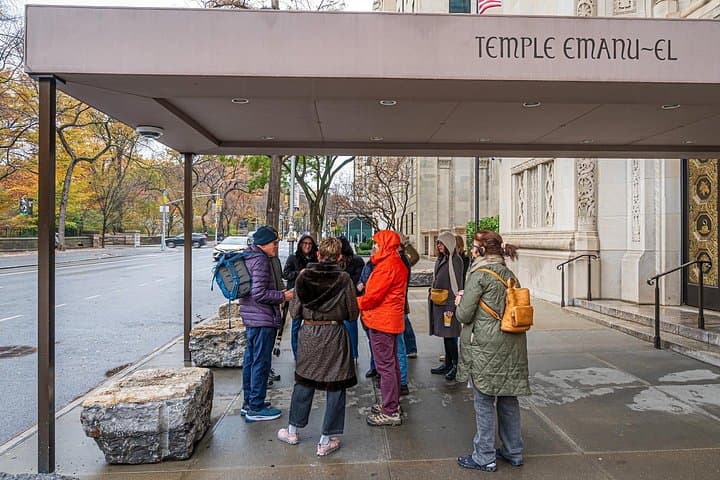
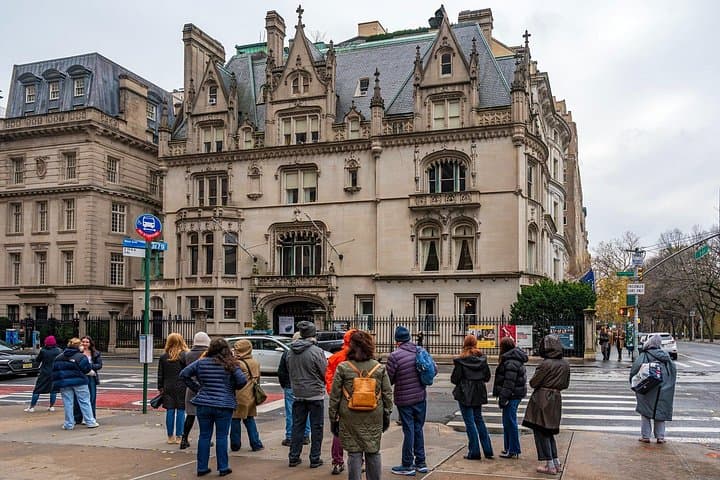
You meet your guide outside Temple Emanu-El on a bright city morning; Fifth Avenue hums and the avenue itself seems to loom—bold, measured—guiding you uptown. The tour walks a compact stretch of the Upper East Side where stone façades and carved cornices still argue for an era when architecture declared social standing.
You meet your guide outside Temple Emanu-El on a bright city morning; Fifth Avenue hums and the avenue itself seems to loom—bold, measured—guiding you uptown. The tour walks a compact stretch of the Upper East Side where stone façades and carved cornices still argue for an era when architecture declared social standing.
This route traces the arc from immigrant pushcarts to banking boardrooms. In the late 19th and early 20th centuries, Jewish families who arrived with modest means leveraged commerce, industry and philanthropy to build mansions that adopted Beaux-Arts and Renaissance Revival styles. The homes—now museums, institutions, or adapted city properties—tell of social mobility and cultural influence as much as they display carved keystones and wrought-iron gates.
Geology here is quiet—Manhattan’s schist underpins the boulevards—so the drama is vertical: marble stoops, limestone façades, and the occasional rooftop garden. Cultural notes come in the form of synagogues, charitable foundations, and museum origins tied to the families you pass.
Practical guidance: the route is flat pavement for roughly two hours with frequent stops; bring comfortable walking shoes, a transit card, and a charged phone for photos and notes. Expect curbside traffic and busy sidewalks—mid-morning or late afternoon tours avoid the heaviest crowds. The guide will point out plaques, architectural features, and stories that don’t require museum admission, so you can experience the neighborhood’s history without long lines.
By the tour’s end, the Upper East Side reads less as a postcard of wealth and more as a ledger of ambition, community, and the quiet decisions that shaped New York.