THE ADVENTURE COLLECTIVE® · Independent discovery and booking for outdoor travel

A 16-day journey from New Delhi and the Taj Mahal to the high valleys of Sikkim and Bhutan, this tour pairs monumental Mughal sites with Himalayan monasteries, alpine lakes, and traditional villages. Expect long drives, high passes, and a steady rhythm of cultural encounters.
A 16-day journey from New Delhi and the Taj Mahal to the high valleys of Sikkim and Bhutan, this tour pairs monumental Mughal sites with Himalayan monasteries, alpine lakes, and traditional villages. Expect long drives, high passes, and a steady rhythm of cultural encounters.
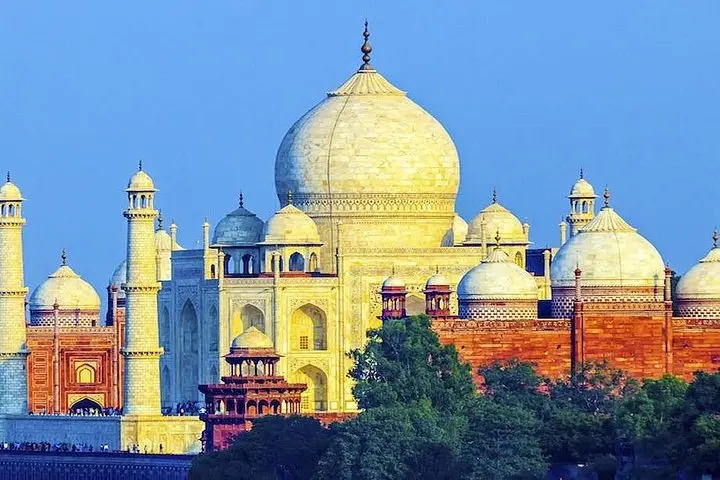
The first light on the Taj Mahal can feel like a vow kept: marble warms from silver to honey as the Yamuna holds the reflection steady. On day two the tour moves inland through Mughal plains and then, over weeks, climbs into the hills—Darjeeling’s tea-scented mornings, the thin, clear air at Tsomgo Lake, and finally the compact valleys of Bhutan where prayer flags flicker across stone dzongs. This 16-day circuit stitches together two different scales of experience: the monumental architecture and crowded lanes of North India, and the small, high-altitude rhythms of Sikkim and Bhutan.
Verified experiences and guided adventures in the surrounding area.
Operated by Holidays At · New Delhi, Delhi
The first light on the Taj Mahal can feel like a vow kept: marble warms from silver to honey as the Yamuna holds the reflection steady. On day two the tour moves inland through Mughal plains and then, over weeks, climbs into the hills—Darjeeling’s tea-scented mornings, the thin, clear air at Tsomgo Lake, and finally the compact valleys of Bhutan where prayer flags flicker across stone dzongs. This 16-day circuit stitches together two different scales of experience: the monumental architecture and crowded lanes of North India, and the small, high-altitude rhythms of Sikkim and Bhutan.
Historically the route traces imperial and spiritual networks. Agra’s Taj Mahal and Agra Fort speak to Mughal power and funerary art; Darjeeling’s colonial-era toy train and tea estates recall British hill-station designs; in Bhutan the 17th-century Shabdrung unifier’s dzongs mark a theocratic consolidation that shaped the kingdom’s cultural identity. Geologically the trip moves from the Indo-Gangetic plain—an alluvial carpet—to the fractured foothills, then to the Lesser and Great Himalaya ranges where glacially carved valleys and terraced slopes dominate the view.
On the road, culture arrives in small measures: a Tonga ride in Agra, a rickshaw through Old Delhi, morning prayers in Gangtok’s monasteries, and a farmhouse visit in Paro. Local guides translate not only language but custom—how to clap before entering a lhakhang, why the Bhutanese dress code matters, and where to find the smallest tea shop that still steeps by stove.
Practical guidance is part of the experience. The itinerary includes long drives (some stretches up to 5–6 hours) and high passes—Tsomgo Lake sits around 3,780 m (12,400 ft), and Dochula Pass reaches about 3,050 m (10,000 ft). Expect thin air and colder nights; spend the first nights conserving energy and hydrate for altitude. Comfortable shoes handle cobblestones and short shrine steps; a light down jacket and wind shell are useful from Darjeeling onward.
Logistics: the trip starts and finishes in New Delhi with included transfers, 15 nights’ accommodations (3-star), many breakfasts, and internal flights (New Delhi–Bagdogra; Paro–New Delhi). Bhutan entry and government royalties are handled in the package, but travelers need valid passports and should confirm visa details before departure. Cash and cards both work in India; Bhutan relies more on cash in small towns, though hotels accept cards.
For photographers: plan sunrise at Tiger Hill and early evening at the Taj’s reflecting pool. Pace your days—this is a journey of contrasts, where imperial stone meets prayer flag wind, and where travel is as much about slowing down to notice as it is about moving across distance.
Yes—Bhutan visas and daily royalties are normally arranged by the tour operator; confirm required documents and timing with the supplier before travel.
October–December and March–May offer the clearest mountain views and milder daytime temperatures; monsoon months (June–September) can bring road delays in the hills.
Some visits rise above 3,000 m—mild symptoms are possible; drink water, move slowly, avoid heavy meals on arrival, and notify guides if symptoms worsen.
Daily breakfast is included; other meals are generally on your own except where specified—your guide will recommend local restaurants.
Cards are accepted at major hotels and shops, but small towns and rural vendors often require cash—carry Indian rupees and some Bhutanese ngultrum if possible.
The tour is private and can accommodate families, but long drives and high-altitude stops may challenge very young children or travelers with cardiovascular or severe mobility issues.
Holidays At operates guided outdoor trips and adventures with an emphasis on safety, stewardship, and memorable experiences.
The first light on the Taj Mahal can feel like a vow kept: marble warms from silver to honey as the Yamuna holds the reflection steady. On day two the tour moves inland through Mughal plains and then, over weeks, climbs into the hills—Darjeeling’s tea-scented mornings, the thin, clear air at Tsomgo Lake, and finally the compact valleys of Bhutan where prayer flags flicker across stone dzongs. This 16-day circuit stitches together two different scales of experience: the monumental architecture and crowded lanes of North India, and the small, high-altitude rhythms of Sikkim and Bhutan.
The first light on the Taj Mahal can feel like a vow kept: marble warms from silver to honey as the Yamuna holds the reflection steady. On day two the tour moves inland through Mughal plains and then, over weeks, climbs into the hills—Darjeeling’s tea-scented mornings, the thin, clear air at Tsomgo Lake, and finally the compact valleys of Bhutan where prayer flags flicker across stone dzongs. This 16-day circuit stitches together two different scales of experience: the monumental architecture and crowded lanes of North India, and the small, high-altitude rhythms of Sikkim and Bhutan.
Historically the route traces imperial and spiritual networks. Agra’s Taj Mahal and Agra Fort speak to Mughal power and funerary art; Darjeeling’s colonial-era toy train and tea estates recall British hill-station designs; in Bhutan the 17th-century Shabdrung unifier’s dzongs mark a theocratic consolidation that shaped the kingdom’s cultural identity. Geologically the trip moves from the Indo-Gangetic plain—an alluvial carpet—to the fractured foothills, then to the Lesser and Great Himalaya ranges where glacially carved valleys and terraced slopes dominate the view.
On the road, culture arrives in small measures: a Tonga ride in Agra, a rickshaw through Old Delhi, morning prayers in Gangtok’s monasteries, and a farmhouse visit in Paro. Local guides translate not only language but custom—how to clap before entering a lhakhang, why the Bhutanese dress code matters, and where to find the smallest tea shop that still steeps by stove.
Practical guidance is part of the experience. The itinerary includes long drives (some stretches up to 5–6 hours) and high passes—Tsomgo Lake sits around 3,780 m (12,400 ft), and Dochula Pass reaches about 3,050 m (10,000 ft). Expect thin air and colder nights; spend the first nights conserving energy and hydrate for altitude. Comfortable shoes handle cobblestones and short shrine steps; a light down jacket and wind shell are useful from Darjeeling onward.
Logistics: the trip starts and finishes in New Delhi with included transfers, 15 nights’ accommodations (3-star), many breakfasts, and internal flights (New Delhi–Bagdogra; Paro–New Delhi). Bhutan entry and government royalties are handled in the package, but travelers need valid passports and should confirm visa details before departure. Cash and cards both work in India; Bhutan relies more on cash in small towns, though hotels accept cards.
For photographers: plan sunrise at Tiger Hill and early evening at the Taj’s reflecting pool. Pace your days—this is a journey of contrasts, where imperial stone meets prayer flag wind, and where travel is as much about slowing down to notice as it is about moving across distance.