
Frozen Lakes & Ice Bubbles: Peyto, Bow and Abraham Lake Day Tour from Banff
Experience the Canadian Rockies’ winter extremes on a private day tour from Banff. Visit Bow and Peyto Lakes and spend an expert-guided 1.5 hours exploring Abraham Lake’s famed methane ice bubbles.
An Adventure In Banff.
Experience the Canadian Rockies’ winter extremes on a private day tour from Banff. Visit Bow and Peyto Lakes and spend an expert-guided 1.5 hours exploring Abraham Lake’s famed methane ice bubbles.
Read the full experience
The van eases away from Banff before dawn and the mountain air tightens around you — glassy peaks etched in early light, the road curling toward a sheet of ice the size of a small sea. At Bow Lake an alpine wind pushes across the surface and the Crowfoot Glacier watches, its fractured arms still visible from the roadside. Later, on a short, crisp trail to Peyto Lake’s elevated platform, the glacier-fed water glows a surreal turquoise even under winter light, the lake’s rock flour refusing to sleep.
The van eases away from Banff before dawn and the mountain air tightens around you — glassy peaks etched in early light, the road curling toward a sheet of ice the size of a small sea. At Bow Lake an alpine wind pushes across the surface and the Crowfoot Glacier watches, its fractured arms still visible from the roadside. Later, on a short, crisp trail to Peyto Lake’s elevated platform, the glacier-fed water glows a surreal turquoise even under winter light, the lake’s rock flour refusing to sleep.
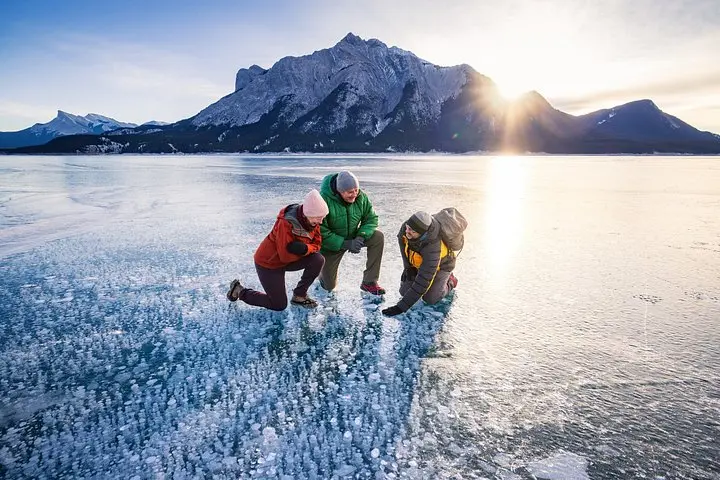
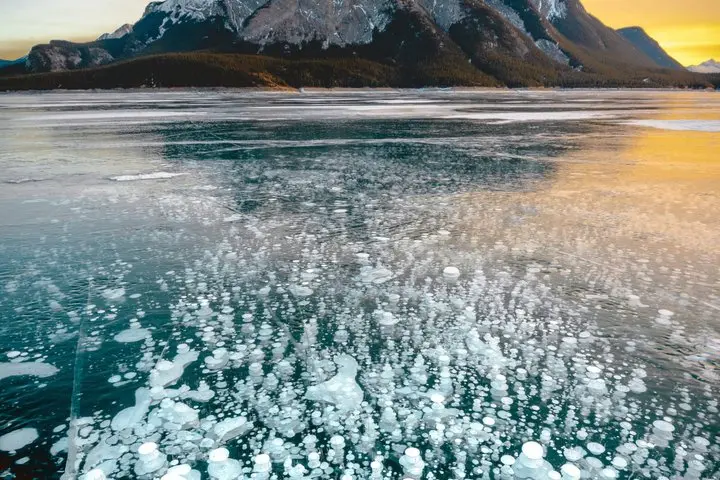
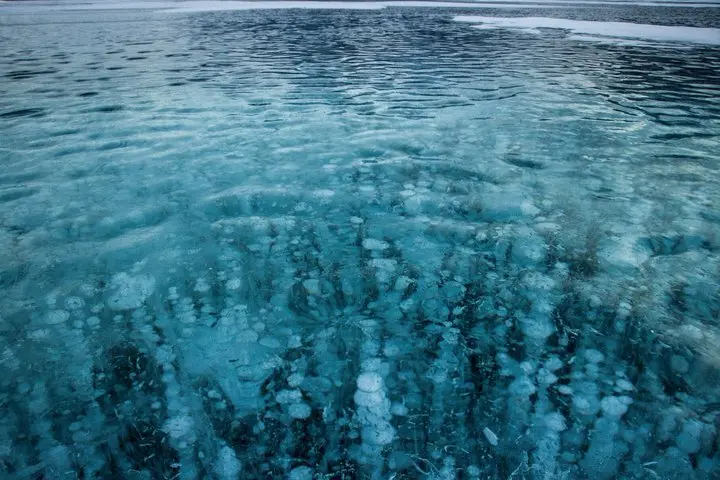
Abraham Lake, created in the 1970s by the Bighorn Dam, is the day’s wild card: each winter, methane rising from decomposing plant matter freezes in stacked bubbles beneath the clear ice. The effect is geological storytelling — trapped gas columns and layered ice that photographers and scientists both prize. Local Indigenous history and early hydroelectric development shaped this landscape; the David Thompson corridor carries that human imprint alongside glacial geology.
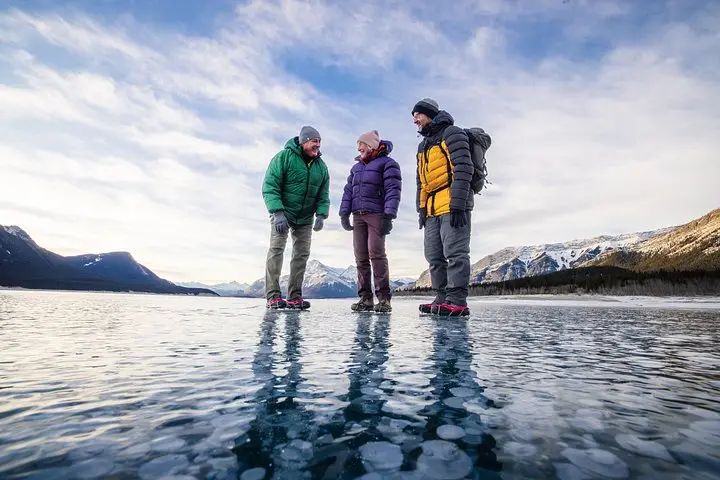
Practically, expect a full day (9–11.5 hours depending on pickup), private transport, and a guided 1.5-hour ice-bubble walk with safety briefings and microspikes provided. Dress in insulated, waterproof layers, bring a camera and a small tripod, and plan for frequent stops: short shoreline walks, 700m approaches at Peyto, and flat ice travel on Abraham Lake. Guides monitor ice conditions and adjust the route; photography windows narrow with weather and light, so be ready when the lake reveals its patterns. This is an accessible yet immersive winter day — long, sensory, and shaped by cold physics as much as by scenery.
Frequently asked questions
Peak bubble season runs December through mid–late February when the lake freezes thickly and methane trapping is most visible.
They’re strongly recommended; guides provide microspikes and will fit them as part of the safety briefing for Abraham Lake walks.
The tour is family-friendly but requires cold-weather tolerance and some mobility; infants must use legally required child seats in the vehicle.
No — bubble patterns depend on daily ice and gas conditions; local guides choose the safest and most photogenic areas each day.
About This Experience
MOLARI Adventure Touring Co. operates guided outdoor trips and adventures with an emphasis on safety, stewardship, and memorable experiences.
Adventure tips
Recommended gear
- Insulated, waterproof hiking boots: Keeps feet dry and warm during icy shoreline walks and while waiting between stops.
- Layered clothing (base, mid, insulated shell): Allows quick temperature regulation during outdoor stops and in the heated van.
- Camera with spare batteries and a small tripod: Captures low-contrast bubble formations and long exposures on the ice.
- Warm gloves and a windproof hat: Protects extremities during prolonged exposure on frozen lake surfaces and windy viewpoints.
Photos of the experience
Related adventures & guides
Read the full experience
The van eases away from Banff before dawn and the mountain air tightens around you — glassy peaks etched in early light, the road curling toward a sheet of ice the size of a small sea. At Bow Lake an alpine wind pushes across the surface and the Crowfoot Glacier watches, its fractured arms still visible from the roadside. Later, on a short, crisp trail to Peyto Lake’s elevated platform, the glacier-fed water glows a surreal turquoise even under winter light, the lake’s rock flour refusing to sleep.
The van eases away from Banff before dawn and the mountain air tightens around you — glassy peaks etched in early light, the road curling toward a sheet of ice the size of a small sea. At Bow Lake an alpine wind pushes across the surface and the Crowfoot Glacier watches, its fractured arms still visible from the roadside. Later, on a short, crisp trail to Peyto Lake’s elevated platform, the glacier-fed water glows a surreal turquoise even under winter light, the lake’s rock flour refusing to sleep.
Abraham Lake, created in the 1970s by the Bighorn Dam, is the day’s wild card: each winter, methane rising from decomposing plant matter freezes in stacked bubbles beneath the clear ice. The effect is geological storytelling — trapped gas columns and layered ice that photographers and scientists both prize. Local Indigenous history and early hydroelectric development shaped this landscape; the David Thompson corridor carries that human imprint alongside glacial geology.
Practically, expect a full day (9–11.5 hours depending on pickup), private transport, and a guided 1.5-hour ice-bubble walk with safety briefings and microspikes provided. Dress in insulated, waterproof layers, bring a camera and a small tripod, and plan for frequent stops: short shoreline walks, 700m approaches at Peyto, and flat ice travel on Abraham Lake. Guides monitor ice conditions and adjust the route; photography windows narrow with weather and light, so be ready when the lake reveals its patterns. This is an accessible yet immersive winter day — long, sensory, and shaped by cold physics as much as by scenery.
Make a day of it nearby.
Verified experiences and guided adventures in the surrounding area.