THE ADVENTURE COLLECTIVE® · Independent discovery and booking for outdoor travel

Walk through Fukuoka’s samurai past and Hakata’s living traditions on a guided full-day tour. Visit Fukuoka Castle ruins, Ohori Park, Kushida Shrine, Tōchō-ji, and the Hakata Machiya Folk Museum while learning local stories and practical tips for a city-spanning route.
Walk through Fukuoka’s samurai past and Hakata’s living traditions on a guided full-day tour. Visit Fukuoka Castle ruins, Ohori Park, Kushida Shrine, Tōchō-ji, and the Hakata Machiya Folk Museum while learning local stories and practical tips for a city-spanning route.
Morning light skims the mossed stones of Fukuoka Castle as the city coughs awake — commuters threading past shrines, ponds that dare you to pause, and a skyline that flattens history and modernity into a single view. The tour begins at the castle ruins’ Tenshudai, where samurai-era walls still keep their quiet vigil and the surrounding park opens into Ohori’s broad pond and Japanese garden.
Verified experiences and guided adventures in the surrounding area.
Operated by DeepExperience · Fukuoka, Fukuoka Prefecture
Morning light skims the mossed stones of Fukuoka Castle as the city coughs awake — commuters threading past shrines, ponds that dare you to pause, and a skyline that flattens history and modernity into a single view. The tour begins at the castle ruins’ Tenshudai, where samurai-era walls still keep their quiet vigil and the surrounding park opens into Ohori’s broad pond and Japanese garden.
This route threads centuries: the castle, raised in the early 1600s by Lord Kuroda Nagamasa, speaks to feudal power through its remaining gates and stonework. Walking toward Hakata, the neighborhood shifts to craft and ritual — Kushida Shrine’s ritual floats recall the Hakata Gion Yamakasa festival, while Hakata Machiya preserves Meiji-era workshops and Hakata doll traditions. Tōchō-ji’s wooden Daibutsu and the Zen calm of Shōfukuji and Jōtenji add spiritual counterpoints to the city’s civic story.
Expect compact urban geology: reclaimed shoreline, filled plains, and stonework adapted to seasonal rains. Local guides layer context — from tea culture introduced by Zen monks to the evolution of Hakata’s noodle traditions — with practical pacing for a full day on foot.
Plan for 7–8 hours of walking with intermittent transit between sites, comfortable footwear, and modest shrine etiquette. Travel light, bring cash for small shrine offerings and museum admission, and aim for morning starts to dodge midday crowds. The journey is equal parts history lesson and lived city walk — hands-on, sensory, and immediately navigable.
The tour includes entrance fees listed by the operator (e.g., Tochoji Great Buddha and Hakata Machiya); check your booking confirmation for specifics.
Expect several hours of walking over mostly paved paths, park trails, and stone steps — overall moderate exertion with short transit segments.
Families can join, but travelers with significant mobility limitations or spinal conditions should contact the operator; the itinerary involves steps and uneven surfaces.
Meet and finish in front of Mister Donut at JR Hakata Station next to the Shinkansen ticket gates; guides hold a yellow sign.
DeepExperience operates guided outdoor trips and adventures with an emphasis on safety, stewardship, and memorable experiences.
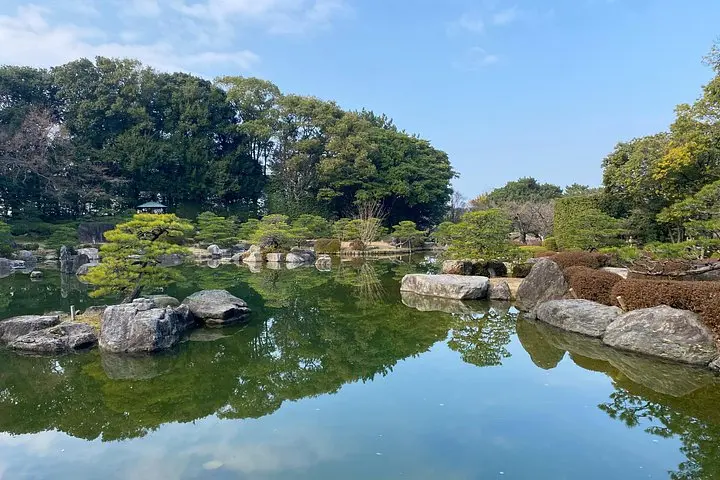
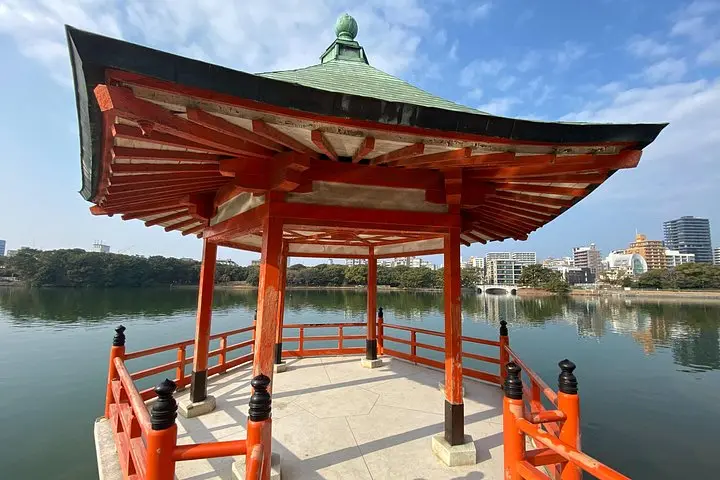
Morning light skims the mossed stones of Fukuoka Castle as the city coughs awake — commuters threading past shrines, ponds that dare you to pause, and a skyline that flattens history and modernity into a single view. The tour begins at the castle ruins’ Tenshudai, where samurai-era walls still keep their quiet vigil and the surrounding park opens into Ohori’s broad pond and Japanese garden.
Morning light skims the mossed stones of Fukuoka Castle as the city coughs awake — commuters threading past shrines, ponds that dare you to pause, and a skyline that flattens history and modernity into a single view. The tour begins at the castle ruins’ Tenshudai, where samurai-era walls still keep their quiet vigil and the surrounding park opens into Ohori’s broad pond and Japanese garden.
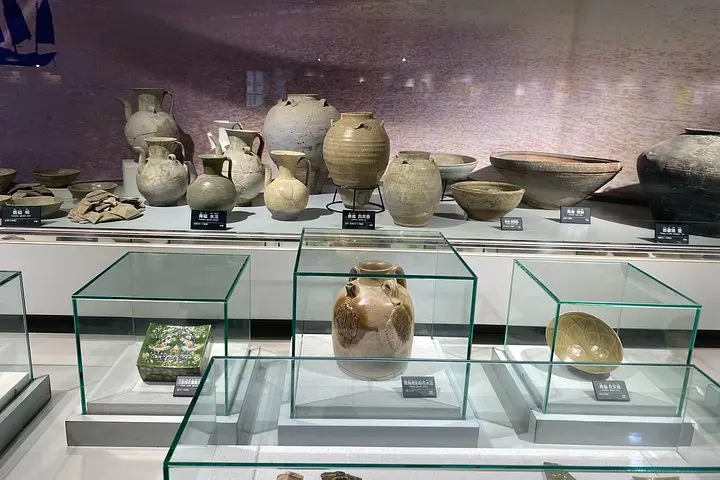
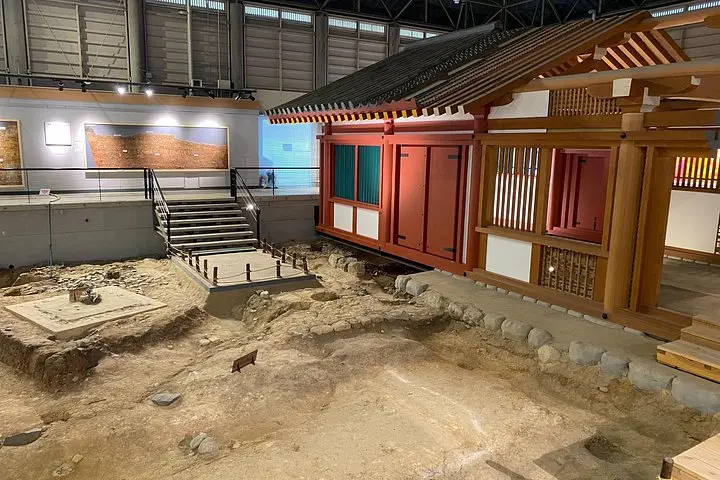
This route threads centuries: the castle, raised in the early 1600s by Lord Kuroda Nagamasa, speaks to feudal power through its remaining gates and stonework. Walking toward Hakata, the neighborhood shifts to craft and ritual — Kushida Shrine’s ritual floats recall the Hakata Gion Yamakasa festival, while Hakata Machiya preserves Meiji-era workshops and Hakata doll traditions. Tōchō-ji’s wooden Daibutsu and the Zen calm of Shōfukuji and Jōtenji add spiritual counterpoints to the city’s civic story.
Expect compact urban geology: reclaimed shoreline, filled plains, and stonework adapted to seasonal rains. Local guides layer context — from tea culture introduced by Zen monks to the evolution of Hakata’s noodle traditions — with practical pacing for a full day on foot.
Plan for 7–8 hours of walking with intermittent transit between sites, comfortable footwear, and modest shrine etiquette. Travel light, bring cash for small shrine offerings and museum admission, and aim for morning starts to dodge midday crowds. The journey is equal parts history lesson and lived city walk — hands-on, sensory, and immediately navigable.