THE ADVENTURE COLLECTIVE® · Independent discovery and booking for outdoor travel
Explore Fukuoka’s best urban green spaces on a three-hour guided walk that links Ohori Park’s lakeside paths with the ruined walls of Fukuoka Castle. Ideal for history lovers and casual walkers.
Explore Fukuoka’s best urban green spaces on a three-hour guided walk that links Ohori Park’s lakeside paths with the ruined walls of Fukuoka Castle. Ideal for history lovers and casual walkers.
You step out of Ōhori-kōen Station into a map of green and stone: a wide, mirror-like pond to your left, a scattering of fortress walls to your right, and a guide waiting with a yellow sign. The path around Ohori Park rolls at ankle height with reed and waterfowl, while the ruined ramparts of Fukuoka Castle sit quiet on Maizuru Hill, holding the city’s 17th-century outline.
Verified experiences and guided adventures in the surrounding area.
Operated by DeepExperience · Fukuoka, Fukuoka Prefecture
You step out of Ōhori-kōen Station into a map of green and stone: a wide, mirror-like pond to your left, a scattering of fortress walls to your right, and a guide waiting with a yellow sign. The path around Ohori Park rolls at ankle height with reed and waterfowl, while the ruined ramparts of Fukuoka Castle sit quiet on Maizuru Hill, holding the city’s 17th-century outline.
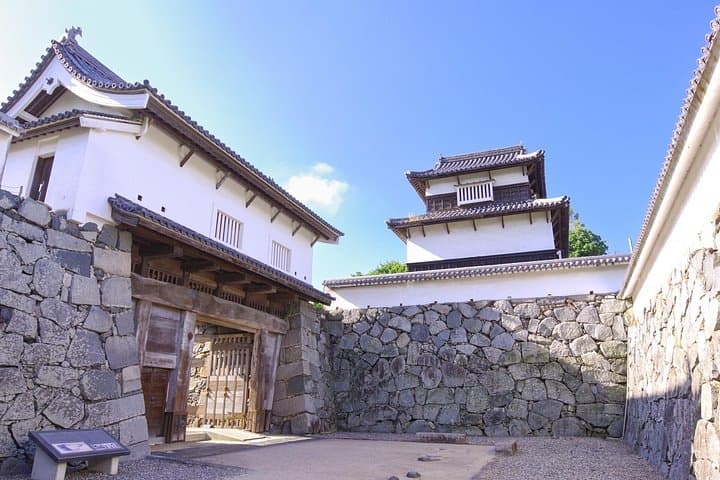
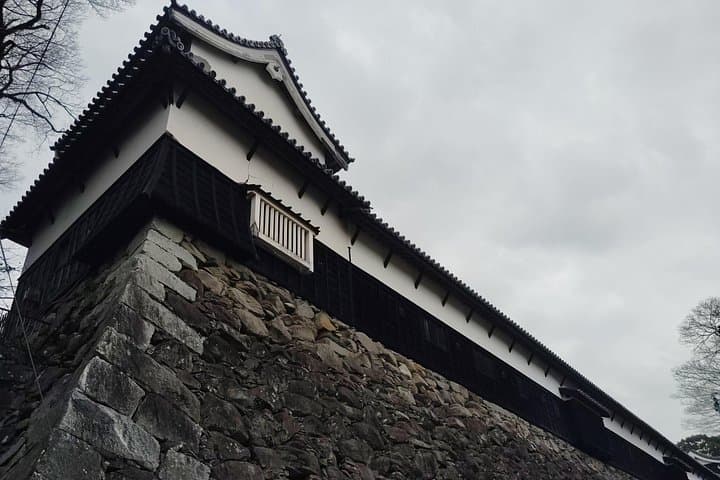
Fukuoka Castle was built by Kuroda Nagamasa in the early Edo period and once dominated the political center of Chikuzen Province. Geologically the area is a low coastal plain shaped by sediment from nearby rivers and the ebb of Hakata Bay; the stonework of the castle makes use of local granite and carries the careful, angular cuts of samurai-era masonry. Culturally, this slice of Chuo-ku mixes Edo-era remains with modern urban life — the castle grounds host seasonal festivals, and Ohori Park’s Japanese Garden preserves classical landscape design and tea-house traditions.
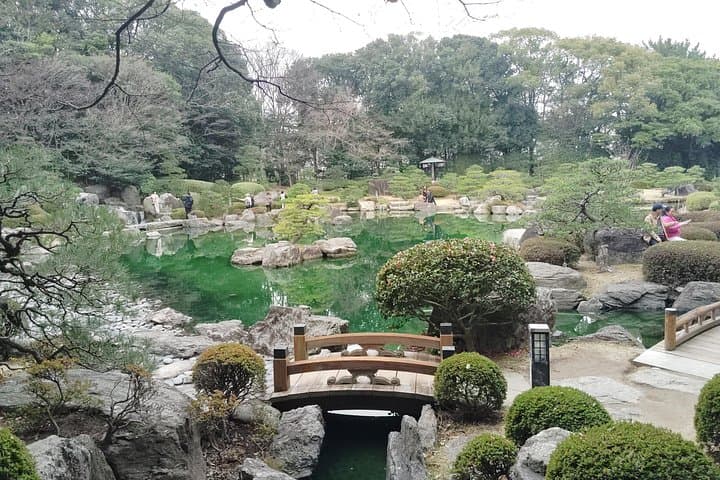
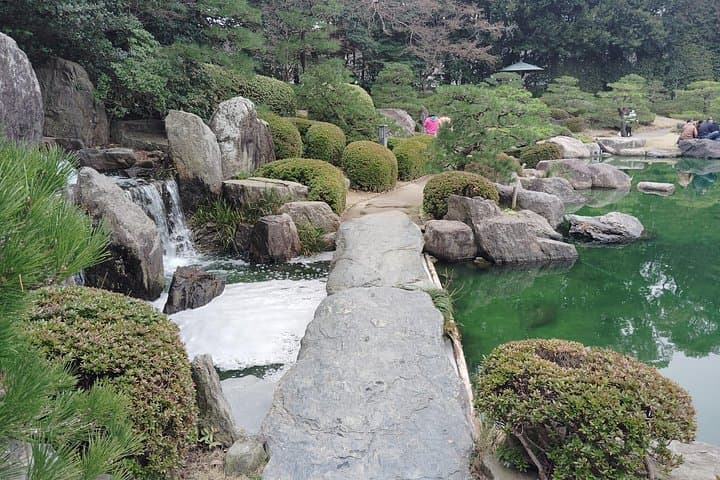
On this three-hour guided walk you’ll visit the Japanese Garden, circle the pond, and explore the castle ruins while your guide threads local anecdotes, cherry-blossom timing, and photographic vantage points into the route. Expect paved paths, some short stone staircases, and plenty of benches.
Practical guidance: start in the morning to avoid crowds and midday heat, wear comfortable walking shoes with good grip for stone steps, bring a light rain layer in spring and fall, and carry water — there are kiosks near the pond but fewer services on the castle hill. The tour is accessible to most fitness levels and makes a compact introduction to Fukuoka’s history and green spaces.
The tour lasts about three hours and covers roughly 3–4 kilometers on mostly paved paths with a few short stair sections.
Yes — the itinerary includes the Japanese Garden visit as part of the tour experience.
Yes; it’s rated easy and suitable for a wide range of ages, though those with limited mobility should note there are stone steps at the castle site.
This is a private guided tour typically offered in English; check booking details for language availability and request any special needs when reserving.
DeepExperience operates guided outdoor trips and adventures with an emphasis on safety, stewardship, and memorable experiences.
You step out of Ōhori-kōen Station into a map of green and stone: a wide, mirror-like pond to your left, a scattering of fortress walls to your right, and a guide waiting with a yellow sign. The path around Ohori Park rolls at ankle height with reed and waterfowl, while the ruined ramparts of Fukuoka Castle sit quiet on Maizuru Hill, holding the city’s 17th-century outline.
You step out of Ōhori-kōen Station into a map of green and stone: a wide, mirror-like pond to your left, a scattering of fortress walls to your right, and a guide waiting with a yellow sign. The path around Ohori Park rolls at ankle height with reed and waterfowl, while the ruined ramparts of Fukuoka Castle sit quiet on Maizuru Hill, holding the city’s 17th-century outline.
Fukuoka Castle was built by Kuroda Nagamasa in the early Edo period and once dominated the political center of Chikuzen Province. Geologically the area is a low coastal plain shaped by sediment from nearby rivers and the ebb of Hakata Bay; the stonework of the castle makes use of local granite and carries the careful, angular cuts of samurai-era masonry. Culturally, this slice of Chuo-ku mixes Edo-era remains with modern urban life — the castle grounds host seasonal festivals, and Ohori Park’s Japanese Garden preserves classical landscape design and tea-house traditions.
On this three-hour guided walk you’ll visit the Japanese Garden, circle the pond, and explore the castle ruins while your guide threads local anecdotes, cherry-blossom timing, and photographic vantage points into the route. Expect paved paths, some short stone staircases, and plenty of benches.
Practical guidance: start in the morning to avoid crowds and midday heat, wear comfortable walking shoes with good grip for stone steps, bring a light rain layer in spring and fall, and carry water — there are kiosks near the pond but fewer services on the castle hill. The tour is accessible to most fitness levels and makes a compact introduction to Fukuoka’s history and green spaces.
