THE ADVENTURE COLLECTIVE® · Independent discovery and booking for outdoor travel

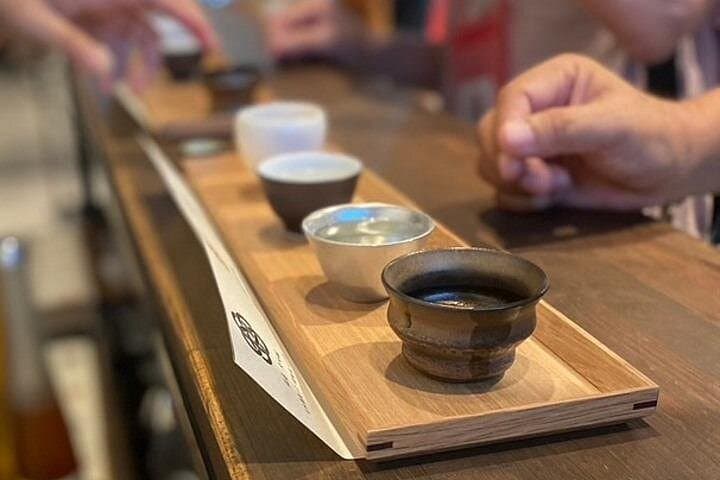
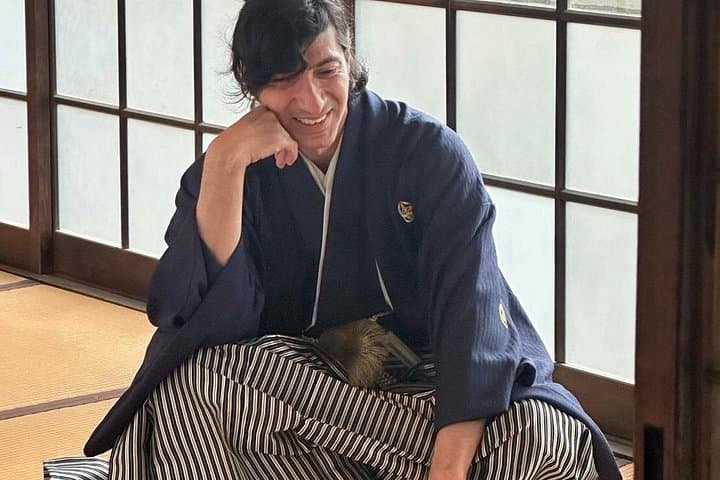
Spend three hours in Tenjin sampling local Fukuoka and Saga sake, tasting Hoshinomura teas, and trying Ikebana or bonsai plus matcha. Small groups, kimono strolls, and hands-on practice make this a sensory, accessible cultural experience.
Spend three hours in Tenjin sampling local Fukuoka and Saga sake, tasting Hoshinomura teas, and trying Ikebana or bonsai plus matcha. Small groups, kimono strolls, and hands-on practice make this a sensory, accessible cultural experience.
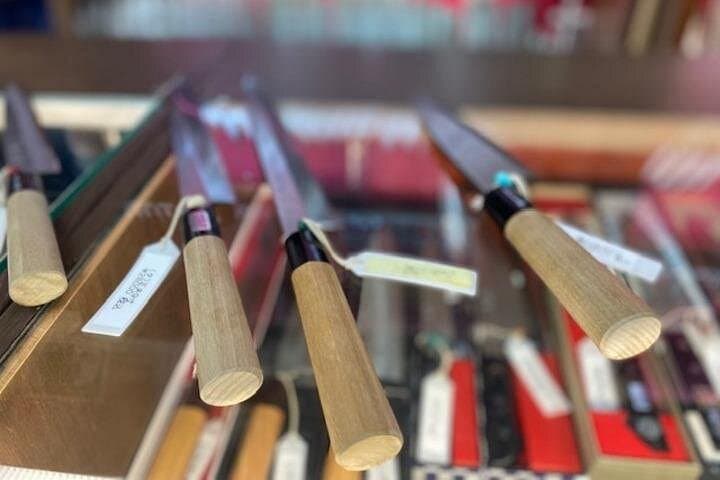
A narrow shopping street hums under paper lanterns as a group in kimono slows to peer into a hanging-scroll shop; the sound of tea being whisked cuts the chatter. This three-hour cultural immersion centers in Tenjin’s Shintencho shopping district, where postwar reconstruction gave locals a place to gather and where small specialty shops still keep craft knowledge alive.
Verified experiences and guided adventures in the surrounding area.
Operated by 株式会社Japanticket · Fukuoka, Fukuoka Prefecture
A narrow shopping street hums under paper lanterns as a group in kimono slows to peer into a hanging-scroll shop; the sound of tea being whisked cuts the chatter. This three-hour cultural immersion centers in Tenjin’s Shintencho shopping district, where postwar reconstruction gave locals a place to gather and where small specialty shops still keep craft knowledge alive.
Fukuoka sits on Hakata Bay with rivers that shaped its trade routes and rice fields, the same terroir that feeds regional sake and tea traditions. Sake in Kyushu tends toward a lighter, fruitier profile than northern brews; many local breweries in Fukuoka and neighboring Saga produce seasonal limited editions released after specific fermentation cycles. Tea from Hoshinomura reflects the region’s humid subtropical climate—fresh, vegetal leaves that change with spring’s first flush and late-summer picks.
The itinerary mixes sensory practice and short walking segments: guided sake sampling, multiple tea tastings including matcha, or hands-on Ikebana (Ikenobo) and basic bonsai pruning, followed by a ceremonial matcha tasting. Small-group format (up to 12) keeps instruction focused.
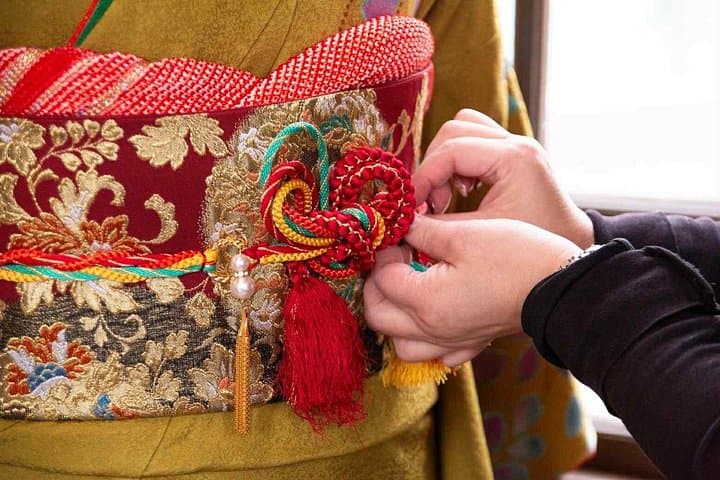
Practical guide: arrive with transport plans into Tenjin station (public transit nearby); wear easy-to-remove shoes and modest layers for kimono fittings; plan for light alcohol tasting—hydrate and eat beforehand. Bookings require advance confirmation and basic traveler details; cancel at least 24 hours ahead for a full refund. Expect tactile learning—wiring a bonsai branch, feeling varied tea leaves—and an afternoon balanced between calm ritual and practical craft skills.
Yes—sake sampling is part of the experience; portions are tasting-sized, intended to compare styles rather than to drink full servings.
Kimono options are typically arranged by the provider; check availability in advance—comfortable undergarments and easy footwear are recommended regardless.
The program suits older children and teens if supervised; note there is alcohol tasting, and parental discretion is advised for minors.
The meeting area is in Tenjin (Shintencho); public transit access is convenient—use Tenjin Station and follow the provider’s directions in your booking confirmation.
株式会社Japanticket operates guided outdoor trips and adventures with an emphasis on safety, stewardship, and memorable experiences.
A narrow shopping street hums under paper lanterns as a group in kimono slows to peer into a hanging-scroll shop; the sound of tea being whisked cuts the chatter. This three-hour cultural immersion centers in Tenjin’s Shintencho shopping district, where postwar reconstruction gave locals a place to gather and where small specialty shops still keep craft knowledge alive.
A narrow shopping street hums under paper lanterns as a group in kimono slows to peer into a hanging-scroll shop; the sound of tea being whisked cuts the chatter. This three-hour cultural immersion centers in Tenjin’s Shintencho shopping district, where postwar reconstruction gave locals a place to gather and where small specialty shops still keep craft knowledge alive.
Fukuoka sits on Hakata Bay with rivers that shaped its trade routes and rice fields, the same terroir that feeds regional sake and tea traditions. Sake in Kyushu tends toward a lighter, fruitier profile than northern brews; many local breweries in Fukuoka and neighboring Saga produce seasonal limited editions released after specific fermentation cycles. Tea from Hoshinomura reflects the region’s humid subtropical climate—fresh, vegetal leaves that change with spring’s first flush and late-summer picks.
The itinerary mixes sensory practice and short walking segments: guided sake sampling, multiple tea tastings including matcha, or hands-on Ikebana (Ikenobo) and basic bonsai pruning, followed by a ceremonial matcha tasting. Small-group format (up to 12) keeps instruction focused.
Practical guide: arrive with transport plans into Tenjin station (public transit nearby); wear easy-to-remove shoes and modest layers for kimono fittings; plan for light alcohol tasting—hydrate and eat beforehand. Bookings require advance confirmation and basic traveler details; cancel at least 24 hours ahead for a full refund. Expect tactile learning—wiring a bonsai branch, feeling varied tea leaves—and an afternoon balanced between calm ritual and practical craft skills.