THE ADVENTURE COLLECTIVE® · Independent discovery and booking for outdoor travel

Spend a day moving from Accra’s busiest markets to the quiet dignity of independence monuments. This guided route mixes walking and short drives to show the city’s history, craft culture, and coastal energy.
Spend a day moving from Accra’s busiest markets to the quiet dignity of independence monuments. This guided route mixes walking and short drives to show the city’s history, craft culture, and coastal energy.
Morning light hits the Gulf of Guinea and the city opens with a single, insistent hum — vendors calling, boda-bodas weaving, the salt breeze threading through stall awnings. This full-day guided tour threads those sounds into a single route: a walk through the denser lanes of Makola Market, a slow exploration of Jamestown’s colonial terraces and lighthouse, visits to the Kwame Nkrumah Monument and the Du Bois Center, and time to shop crafts without the hurry.
Verified experiences and guided adventures in the surrounding area.
Operated by Classic Holidays · Accra, Greater Accra Region
Morning light hits the Gulf of Guinea and the city opens with a single, insistent hum — vendors calling, boda-bodas weaving, the salt breeze threading through stall awnings. This full-day guided tour threads those sounds into a single route: a walk through the denser lanes of Makola Market, a slow exploration of Jamestown’s colonial terraces and lighthouse, visits to the Kwame Nkrumah Monument and the Du Bois Center, and time to shop crafts without the hurry.
Accra sits on a low coastal plain where sand, alluvial soils and pockets of laterite meet the sea; its built history reflects Akan and Ga communities, colonial forts, and the post-independence drive that shaped Ghana’s capital. On the ground you’ll feel that cultural layering — textiles and negotiation techniques in the markets, fishing rhythms at the shore, and monuments that anchor modern political history.
Expect city walking on paved streets with periodic uneven sections, short staircases in Jamestown, and vehicle transfers between sites. Guides explain the significance of independence-era architecture and point out contemporary artist studios and craft cooperatives. Practicalities: carry water, wear closed-toe shoes for market terrain, and bring small cedi notes for purchasing. Midday heat is strongest; plan to take shade breaks and use sunscreen.
This tour is both orientation and immersion: it gives you the landmarks and the neighborhood pulse, plus local context to explore Accra after the guide leaves. Ideal for travelers who want grounded history, active walking, and direct contact with everyday city life.
The tour runs about 5–6 hours and includes guided visits to markets, Jamestown, the Kwame Nkrumah Monument, the Du Bois Center, craft shopping opportunities, and transport between sites.
Children are welcome, but the tour involves walking and some stairs; travelers with limited mobility should advise the operator ahead of time to arrange pickup points and adapted routing.
Bring Ghanaian cedi in small denominations for market purchases and tipping; some vendors accept mobile money but many are cash-only.
The itinerary lists some admissions as included, but confirm with your booking details; bring a small amount of cash in case of on-site fees or optional extras.
Classic Holidays operates guided outdoor trips and adventures with an emphasis on safety, stewardship, and memorable experiences.
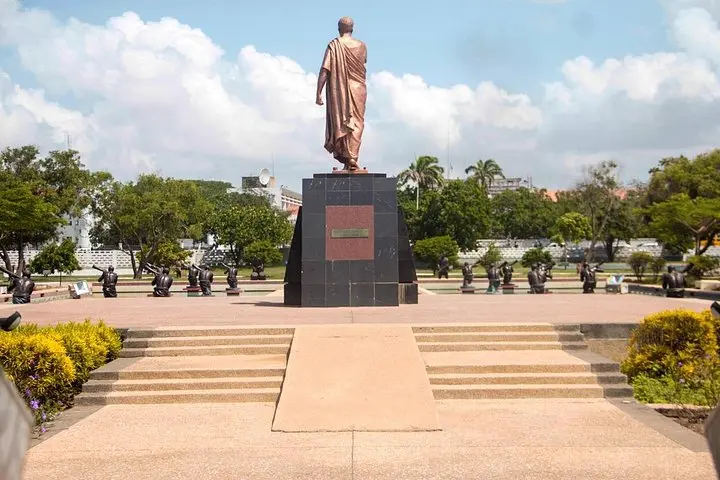
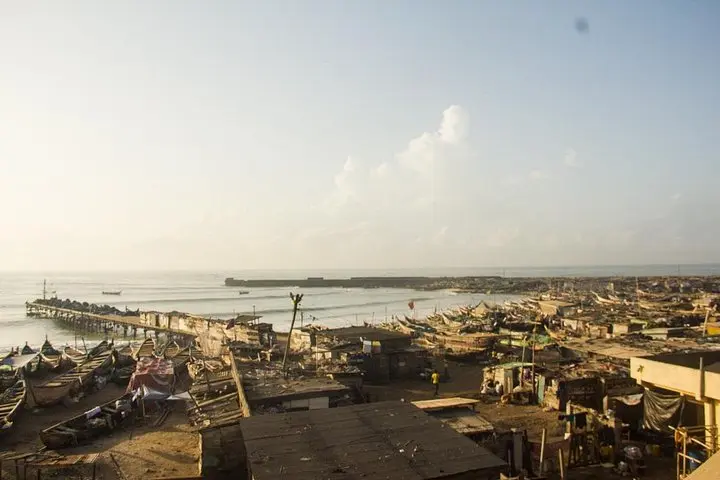
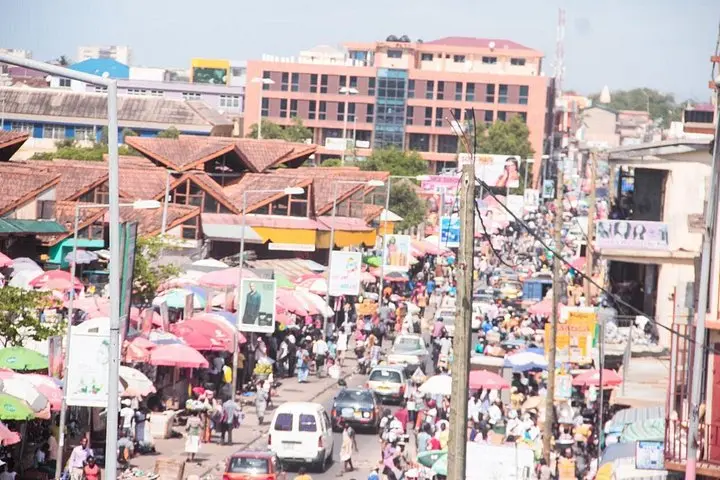
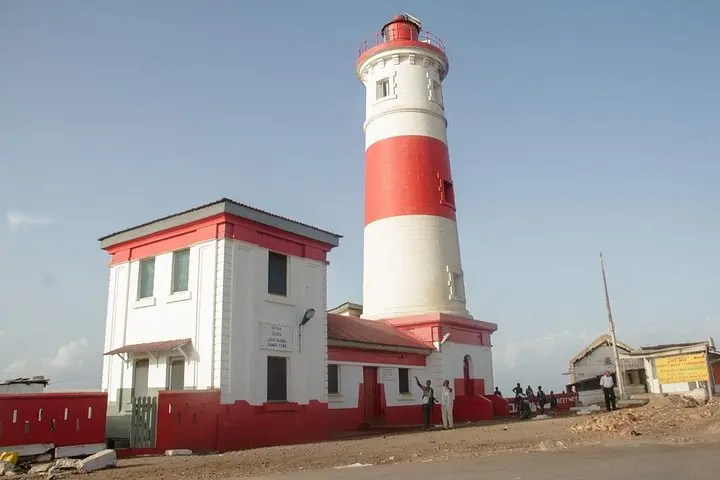
Morning light hits the Gulf of Guinea and the city opens with a single, insistent hum — vendors calling, boda-bodas weaving, the salt breeze threading through stall awnings. This full-day guided tour threads those sounds into a single route: a walk through the denser lanes of Makola Market, a slow exploration of Jamestown’s colonial terraces and lighthouse, visits to the Kwame Nkrumah Monument and the Du Bois Center, and time to shop crafts without the hurry.
Morning light hits the Gulf of Guinea and the city opens with a single, insistent hum — vendors calling, boda-bodas weaving, the salt breeze threading through stall awnings. This full-day guided tour threads those sounds into a single route: a walk through the denser lanes of Makola Market, a slow exploration of Jamestown’s colonial terraces and lighthouse, visits to the Kwame Nkrumah Monument and the Du Bois Center, and time to shop crafts without the hurry.
Accra sits on a low coastal plain where sand, alluvial soils and pockets of laterite meet the sea; its built history reflects Akan and Ga communities, colonial forts, and the post-independence drive that shaped Ghana’s capital. On the ground you’ll feel that cultural layering — textiles and negotiation techniques in the markets, fishing rhythms at the shore, and monuments that anchor modern political history.
Expect city walking on paved streets with periodic uneven sections, short staircases in Jamestown, and vehicle transfers between sites. Guides explain the significance of independence-era architecture and point out contemporary artist studios and craft cooperatives. Practicalities: carry water, wear closed-toe shoes for market terrain, and bring small cedi notes for purchasing. Midday heat is strongest; plan to take shade breaks and use sunscreen.
This tour is both orientation and immersion: it gives you the landmarks and the neighborhood pulse, plus local context to explore Accra after the guide leaves. Ideal for travelers who want grounded history, active walking, and direct contact with everyday city life.