THE ADVENTURE COLLECTIVE® · Independent discovery and booking for outdoor travel

Spend a full day tracking elephants, rhino and other Big Five at Addo Elephant National Park on a guided, all-inclusive game-drive from Port Elizabeth. Learn about conservation, enjoy a picnic with coastal views, and maximize wildlife encounters with morning and afternoon drives.
Spend a full day tracking elephants, rhino and other Big Five at Addo Elephant National Park on a guided, all-inclusive game-drive from Port Elizabeth. Learn about conservation, enjoy a picnic with coastal views, and maximize wildlife encounters with morning and afternoon drives.
The bus eases out of Gqeberha before dawn, and the coastal scrub gives way to broad, sunburnt plains where elephants move like slow weather. By mid-morning you’re parked at a ridge; the guide’s voice falls low as binoculars pick out a herd threading between camel-thorn and aloe. The day unfolds in concentrated chapters: morning game drive, a picnic overlooking the dunes and sea, a main-camp stop for the information centre, then a late-afternoon sweep for predators when animals grow active again.
Verified experiences and guided adventures in the surrounding area.
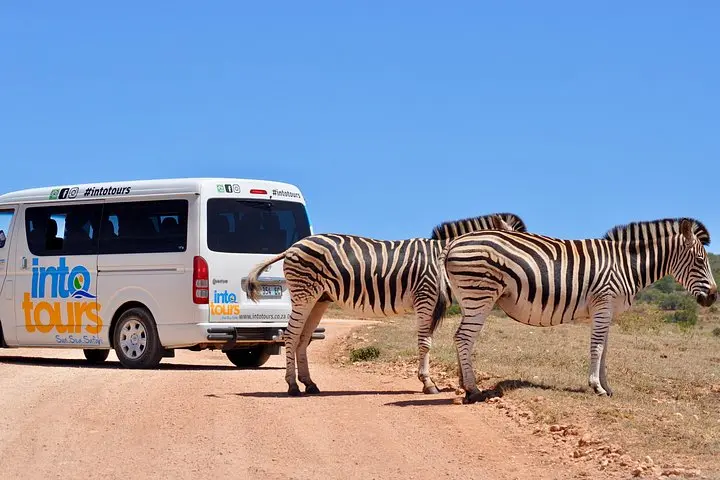
Operated by Into Tours · Addo, Eastern Cape
The bus eases out of Gqeberha before dawn, and the coastal scrub gives way to broad, sunburnt plains where elephants move like slow weather. By mid-morning you’re parked at a ridge; the guide’s voice falls low as binoculars pick out a herd threading between camel-thorn and aloe. The day unfolds in concentrated chapters: morning game drive, a picnic overlooking the dunes and sea, a main-camp stop for the information centre, then a late-afternoon sweep for predators when animals grow active again.
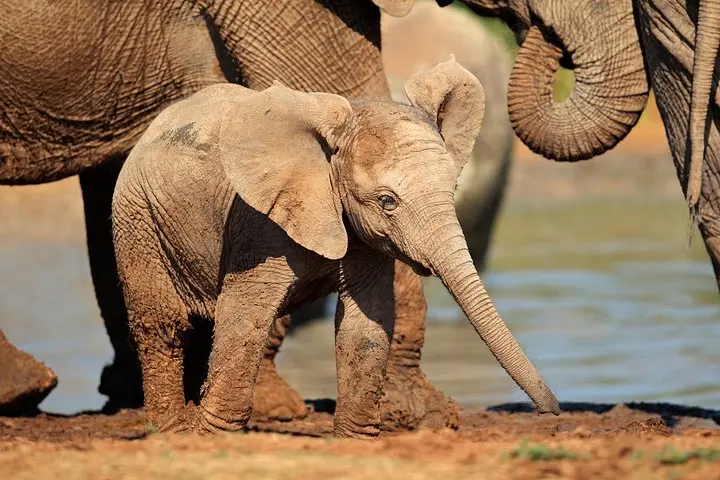
Addo Elephant National Park began in 1931 to protect 11 remaining elephants; today it spans a mosaic of karoo plains, coastal dunes and offshore islands, and supports more than 600 elephants as well as the Big Five. Geology here is honest and exposed—granite outcrops, fossil-bearing dunes and wind-sculpted sand that keeps reshaping the Alexandria Dune Field.
Expect interpretive commentary from experienced guides about elephant social structure, grazing impacts and ongoing rhino and predator conservation projects. Culture appears in small ways: Cape Dutch and settler-era markers on the journey out of Port Elizabeth and curio stalls at the main camp selling local crafts.
Practical notes: tours run about eight hours with park admission, bottled water and lunch included. Wear sturdy shoes for short walks at viewpoints, bring a wide-brim hat, sunscreen and binoculars. Wildlife sightings can’t be guaranteed but morning and late-afternoon drives maximize chances. Stay in the vehicle unless instructed otherwise—these are wild animals, not photo props—and plan your return to Gqeberha in daylight.
The tour is approximately eight hours and includes park admission, bottled water, a South African picnic lunch, and guided morning and afternoon game drives.
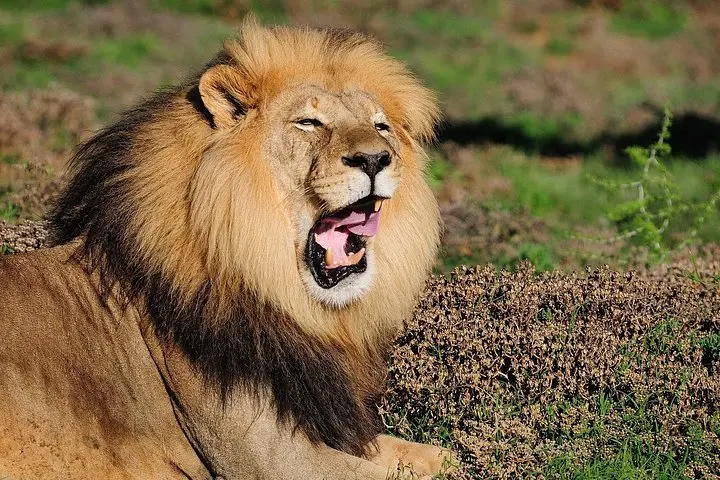
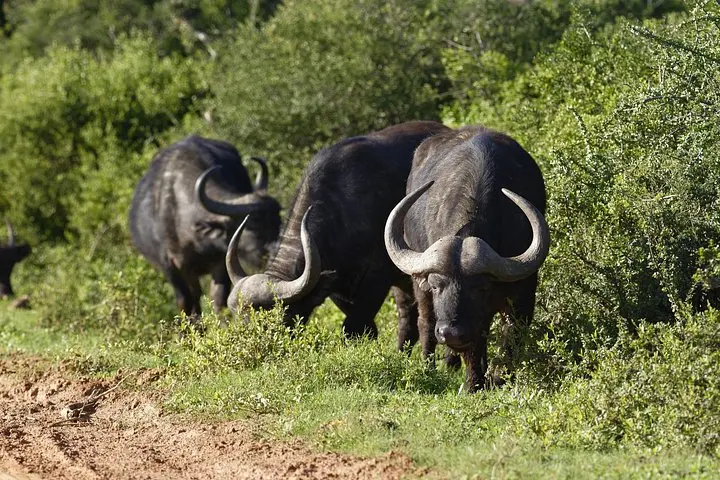
Addo is home to the Big Five, and elephants are commonly seen; however wildlife is wild and sightings cannot be guaranteed—multiple drives increase your chances.
Yes, pick-up and drop-off in Port Elizabeth (Gqeberha) are included as part of the shore-excursion logistics on this tour.
The operator notes that public transport options are nearby and specialized infant seats are available on request—confirm during booking.
Into Tours operates guided outdoor trips and adventures with an emphasis on safety, stewardship, and memorable experiences.
The bus eases out of Gqeberha before dawn, and the coastal scrub gives way to broad, sunburnt plains where elephants move like slow weather. By mid-morning you’re parked at a ridge; the guide’s voice falls low as binoculars pick out a herd threading between camel-thorn and aloe. The day unfolds in concentrated chapters: morning game drive, a picnic overlooking the dunes and sea, a main-camp stop for the information centre, then a late-afternoon sweep for predators when animals grow active again.
The bus eases out of Gqeberha before dawn, and the coastal scrub gives way to broad, sunburnt plains where elephants move like slow weather. By mid-morning you’re parked at a ridge; the guide’s voice falls low as binoculars pick out a herd threading between camel-thorn and aloe. The day unfolds in concentrated chapters: morning game drive, a picnic overlooking the dunes and sea, a main-camp stop for the information centre, then a late-afternoon sweep for predators when animals grow active again.
Addo Elephant National Park began in 1931 to protect 11 remaining elephants; today it spans a mosaic of karoo plains, coastal dunes and offshore islands, and supports more than 600 elephants as well as the Big Five. Geology here is honest and exposed—granite outcrops, fossil-bearing dunes and wind-sculpted sand that keeps reshaping the Alexandria Dune Field.
Expect interpretive commentary from experienced guides about elephant social structure, grazing impacts and ongoing rhino and predator conservation projects. Culture appears in small ways: Cape Dutch and settler-era markers on the journey out of Port Elizabeth and curio stalls at the main camp selling local crafts.
Practical notes: tours run about eight hours with park admission, bottled water and lunch included. Wear sturdy shoes for short walks at viewpoints, bring a wide-brim hat, sunscreen and binoculars. Wildlife sightings can’t be guaranteed but morning and late-afternoon drives maximize chances. Stay in the vehicle unless instructed otherwise—these are wild animals, not photo props—and plan your return to Gqeberha in daylight.