THE ADVENTURE COLLECTIVE® · Independent discovery and booking for outdoor travel

Drive the Tizi-n-Tichka pass into the High Atlas, explore the earthen alleys of UNESCO-listed Ait Ben Haddou and visit Ouarzazate’s film studios on a full-day cultural drive from Marrakech. Expect long but scenic hours, short walks around kasbahs, and deep insights into Berber life.
Drive the Tizi-n-Tichka pass into the High Atlas, explore the earthen alleys of UNESCO-listed Ait Ben Haddou and visit Ouarzazate’s film studios on a full-day cultural drive from Marrakech. Expect long but scenic hours, short walks around kasbahs, and deep insights into Berber life.
You leave Marrakech before dawn and the road climbs, the air sharpening as the High Atlas rearranges itself around you. Tizi-n-Tichka pass rises to roughly 2,260 m, a series of hairpins that open into stony ridgelines and terraces carved by centuries of rain and human hands. The van threads the Road of 1,000 Kasbahs through Ounila Valley, where mud-brick villages squat against the hills and the kasbahs—fortified family compounds—hold their dry, ochre color like pages of history.
Verified experiences and guided adventures in the surrounding area.
Operated by Take your guide · Ait Ben Haddou, Drâa-Tafilalet
You leave Marrakech before dawn and the road climbs, the air sharpening as the High Atlas rearranges itself around you. Tizi-n-Tichka pass rises to roughly 2,260 m, a series of hairpins that open into stony ridgelines and terraces carved by centuries of rain and human hands. The van threads the Road of 1,000 Kasbahs through Ounila Valley, where mud-brick villages squat against the hills and the kasbahs—fortified family compounds—hold their dry, ochre color like pages of history.
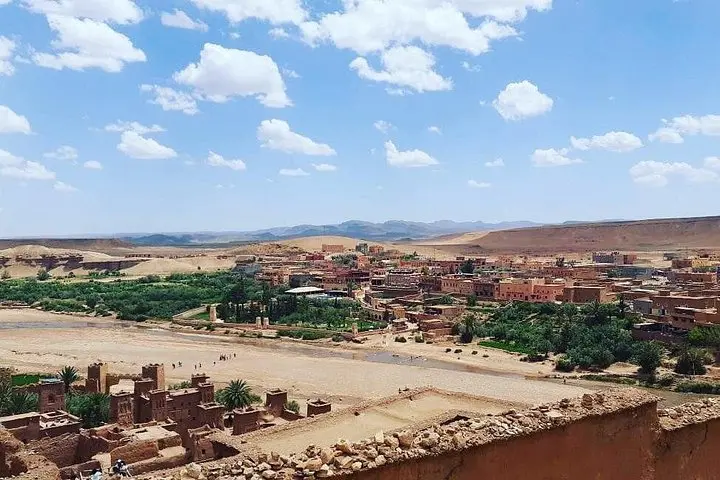
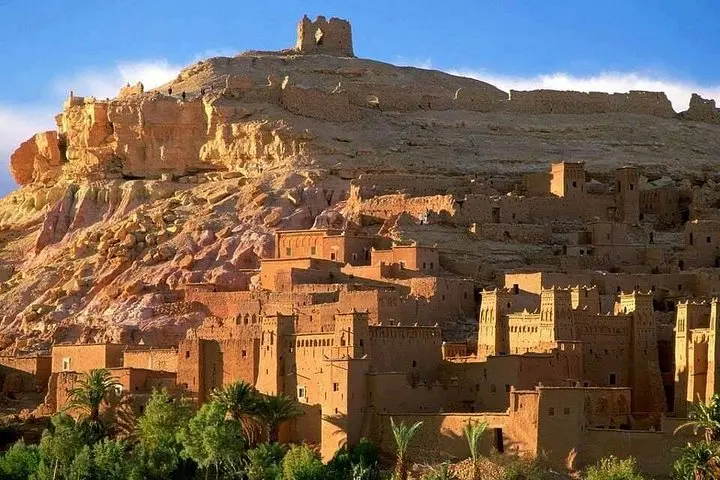
Ait Ben Haddou is a UNESCO site and a living example of southern Moroccan earthen architecture: rammed earth and fired mud, towers and narrow alleys built to manage heat and social life. Geologically the Atlas is young and folded, with exposed shale and sandstone giving way to scree and terraces; the region’s aridity shaped both settlement patterns and the resilient Berber culture you encounter—argan processing, small workshops, and hospitality. Ouarzazate, a short drive beyond, became Morocco’s film gateway because its light and landscapes read as other worlds on camera.
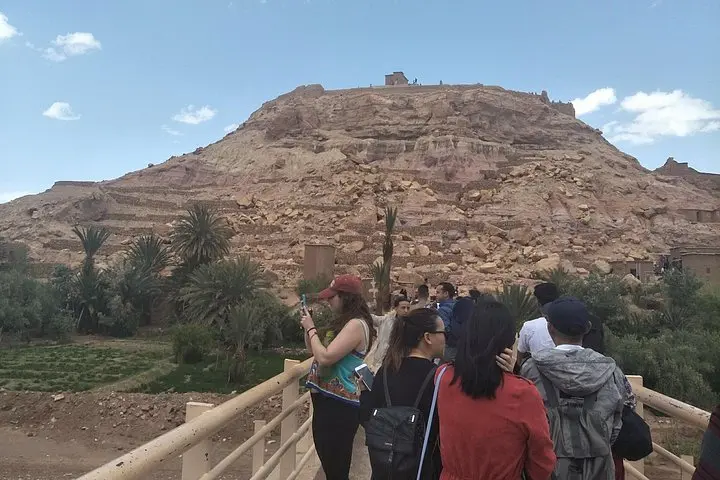
Practical guidance: plan for a long day—expect 9–11 hours including stops. Wear grippy shoes for uneven cobbles and a light wind layer for higher elevations. Hydrate—bottled water is provided but carry extras for hikes around the kasbah. Respect conservative dress in villages and ask before photographing people. If you want a quieter visit, request an early departure to avoid mid-day crowds at the hilltop viewpoint.
This trip blends scenery, culture, and easy walks—ideal for travelers who want a concentrated dose of southern Morocco in a single, well-paced day.
The drive to Ait Ben Haddou via Tizi-n-Tichka is roughly 3–4 hours each way depending on stops and traffic; expect a 10-hour round-trip with time on-site.
Yes—walking is limited to short climbs and uneven alleys; the tour notes it is suitable for all fitness levels though long vehicle time can be tiring.
Yes—most itineraries include a guided walk through the village and a climb to the popular hilltop viewpoint, but times vary by group.
Bottled water is provided; meals are usually not included—ask the operator about lunch options or plan to bring food if you have special dietary needs.
Take your guide operates guided outdoor trips and adventures with an emphasis on safety, stewardship, and memorable experiences.
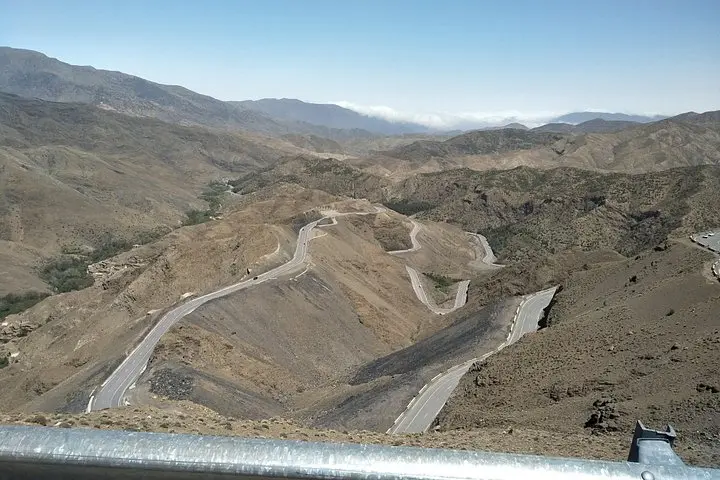
You leave Marrakech before dawn and the road climbs, the air sharpening as the High Atlas rearranges itself around you. Tizi-n-Tichka pass rises to roughly 2,260 m, a series of hairpins that open into stony ridgelines and terraces carved by centuries of rain and human hands. The van threads the Road of 1,000 Kasbahs through Ounila Valley, where mud-brick villages squat against the hills and the kasbahs—fortified family compounds—hold their dry, ochre color like pages of history.
You leave Marrakech before dawn and the road climbs, the air sharpening as the High Atlas rearranges itself around you. Tizi-n-Tichka pass rises to roughly 2,260 m, a series of hairpins that open into stony ridgelines and terraces carved by centuries of rain and human hands. The van threads the Road of 1,000 Kasbahs through Ounila Valley, where mud-brick villages squat against the hills and the kasbahs—fortified family compounds—hold their dry, ochre color like pages of history.
Ait Ben Haddou is a UNESCO site and a living example of southern Moroccan earthen architecture: rammed earth and fired mud, towers and narrow alleys built to manage heat and social life. Geologically the Atlas is young and folded, with exposed shale and sandstone giving way to scree and terraces; the region’s aridity shaped both settlement patterns and the resilient Berber culture you encounter—argan processing, small workshops, and hospitality. Ouarzazate, a short drive beyond, became Morocco’s film gateway because its light and landscapes read as other worlds on camera.
Practical guidance: plan for a long day—expect 9–11 hours including stops. Wear grippy shoes for uneven cobbles and a light wind layer for higher elevations. Hydrate—bottled water is provided but carry extras for hikes around the kasbah. Respect conservative dress in villages and ask before photographing people. If you want a quieter visit, request an early departure to avoid mid-day crowds at the hilltop viewpoint.
This trip blends scenery, culture, and easy walks—ideal for travelers who want a concentrated dose of southern Morocco in a single, well-paced day.