THE ADVENTURE COLLECTIVE® · Independent discovery and booking for outdoor travel

Spend a full day tracking the Big Five across Akagera’s lakes and savannas. This private, pop‑roof safari from Kigali pairs focused wildlife viewing with local conservation history and practical, on‑the‑ground guidance.
Spend a full day tracking the Big Five across Akagera’s lakes and savannas. This private, pop‑roof safari from Kigali pairs focused wildlife viewing with local conservation history and practical, on‑the‑ground guidance.
You roll out of Kigali before dawn and the land shifts from city concrete to broad, sunlit plains.
Verified experiences and guided adventures in the surrounding area.
Operated by Go Further · Kayonza, Eastern Province
You roll out of Kigali before dawn and the land shifts from city concrete to broad, sunlit plains.
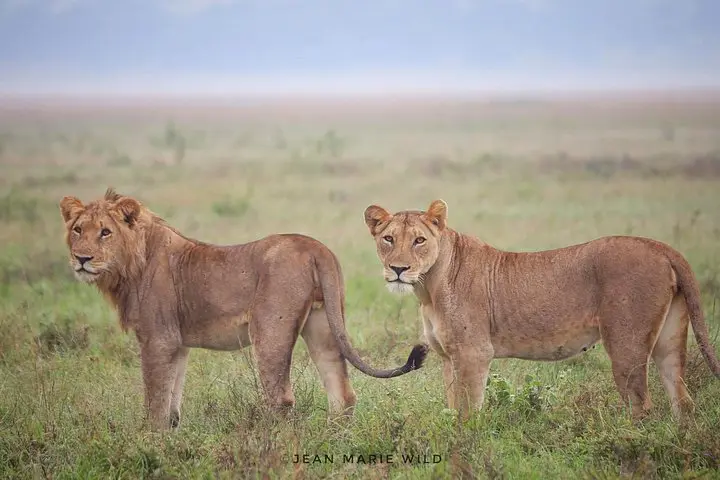
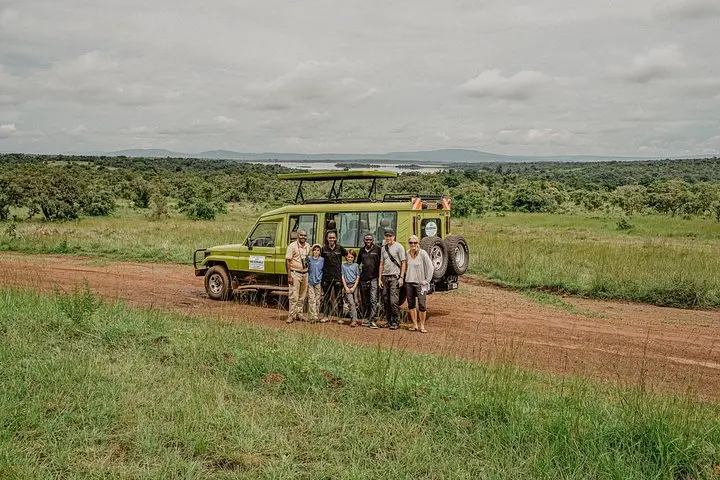
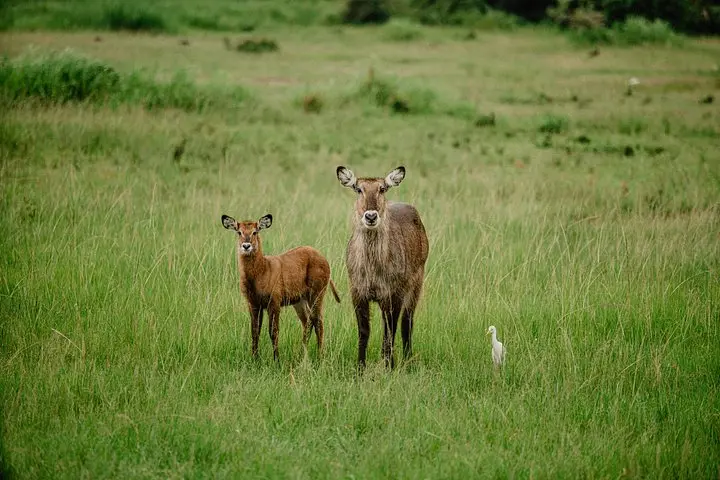
By mid-morning the pop‑up roof safari vehicle eases down a dirt track and the first herd of impala lifts its head as if checking your arrival. Akagera stretches in bands—wetland, ribbon lakes, acacia grassland and low, eroded hills—each habitat offering a different encounter. The park’s lakes, carved into the rift edge, hold hippos and draw shoebills to their bullrushes; open savanna hosts zebra, giraffe and the reintroduced lions and elephants that made headlines after restoration work in the 2010s.
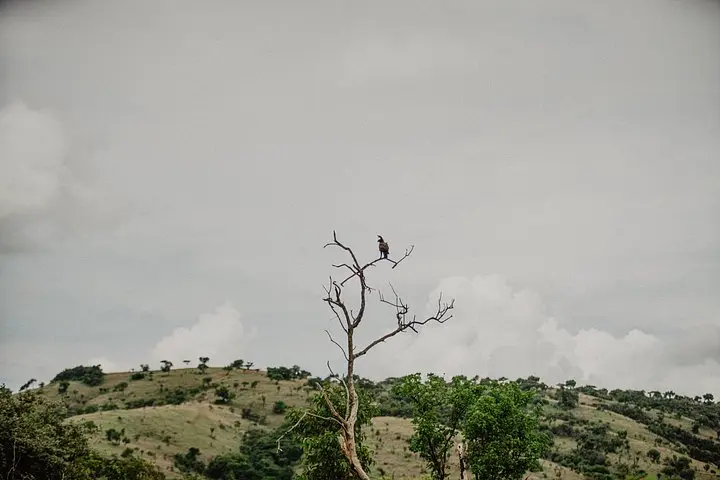
Akagera’s story is part conservation, part community: established in the 1930s, the park was revamped over the last two decades with anti‑poaching units and species reintroductions that restored the Big Five. Geologically, the pocked shoreline of Lake Ihema and scattered rocky kopjes record the region’s connection to the western branch of the East African Rift.
Practically, expect a full‑day outing—roughly 13 hours including drive time from Kigali—and a private guide who tailor‑makes the route to sightings. Wear neutral clothing, bring binoculars, a telephoto lens and sun protection; mornings and evenings are coolest and most active for predators. Vehicles are equipped with pop‑up roofs for photography and many operators provide bottled water and snacks, with pick‑up and drop‑off in Kigali. Respect viewing distances, follow your guide’s instructions, and keep plastic and food sealed—Akagera’s wildlife is curious and persistent.
Expect about 12–13 hours door‑to‑door; driving time is roughly 2–3 hours each way depending on traffic and your pickup location.
No—wildlife is wild. Guides use local knowledge to increase chances of seeing the Big Five, but sightings cannot be guaranteed.
Many operators offer wheelchair‑accessible transport to meeting points; the safari vehicle itself may require transfers—confirm accessibility and requirements when booking.
Early morning and late afternoon are best for predator activity; the dry season (June–September) concentrates animals around water and often improves visibility.
Go Further operates guided outdoor trips and adventures with an emphasis on safety, stewardship, and memorable experiences.
You roll out of Kigali before dawn and the land shifts from city concrete to broad, sunlit plains.
You roll out of Kigali before dawn and the land shifts from city concrete to broad, sunlit plains.
By mid-morning the pop‑up roof safari vehicle eases down a dirt track and the first herd of impala lifts its head as if checking your arrival. Akagera stretches in bands—wetland, ribbon lakes, acacia grassland and low, eroded hills—each habitat offering a different encounter. The park’s lakes, carved into the rift edge, hold hippos and draw shoebills to their bullrushes; open savanna hosts zebra, giraffe and the reintroduced lions and elephants that made headlines after restoration work in the 2010s.
Akagera’s story is part conservation, part community: established in the 1930s, the park was revamped over the last two decades with anti‑poaching units and species reintroductions that restored the Big Five. Geologically, the pocked shoreline of Lake Ihema and scattered rocky kopjes record the region’s connection to the western branch of the East African Rift.
Practically, expect a full‑day outing—roughly 13 hours including drive time from Kigali—and a private guide who tailor‑makes the route to sightings. Wear neutral clothing, bring binoculars, a telephoto lens and sun protection; mornings and evenings are coolest and most active for predators. Vehicles are equipped with pop‑up roofs for photography and many operators provide bottled water and snacks, with pick‑up and drop‑off in Kigali. Respect viewing distances, follow your guide’s instructions, and keep plastic and food sealed—Akagera’s wildlife is curious and persistent.