THE ADVENTURE COLLECTIVE® · Independent discovery and booking for outdoor travel

Experience Amritsar in a day: from the reflective calm of the Golden Temple to the solemn Jallianwala Bagh and the charged Wagah border ceremony. This practical guide maps the history, culture, and logistics of a full‑day city tour.
Experience Amritsar in a day: from the reflective calm of the Golden Temple to the solemn Jallianwala Bagh and the charged Wagah border ceremony. This practical guide maps the history, culture, and logistics of a full‑day city tour.
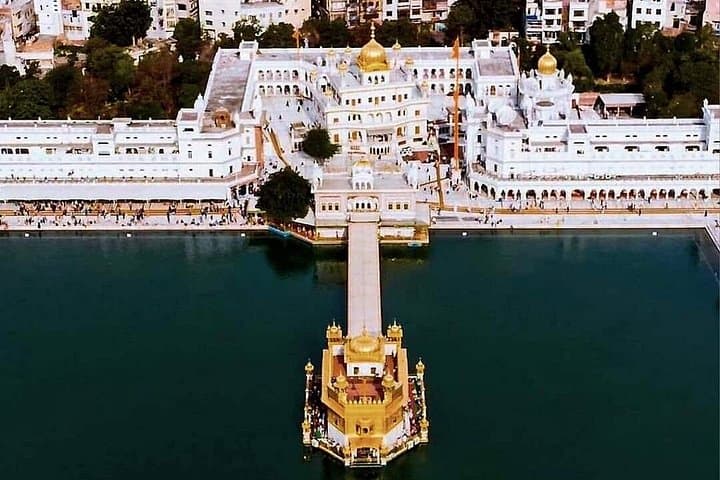
Dawn breaks over Amritsar and the Golden Temple's gold-plated upper story catches the light like a low sun on water. Pilgrims move in steady circuits around the marble parikarma, steam rises from the communal langar, and the call to service sets the pace for a day that moves between devotional calm and charged ceremony.
Verified experiences and guided adventures in the surrounding area.
Operated by ROYAL ROUTE TRAVEL - RRT · Amritsar, Punjab
Dawn breaks over Amritsar and the Golden Temple's gold-plated upper story catches the light like a low sun on water. Pilgrims move in steady circuits around the marble parikarma, steam rises from the communal langar, and the call to service sets the pace for a day that moves between devotional calm and charged ceremony.
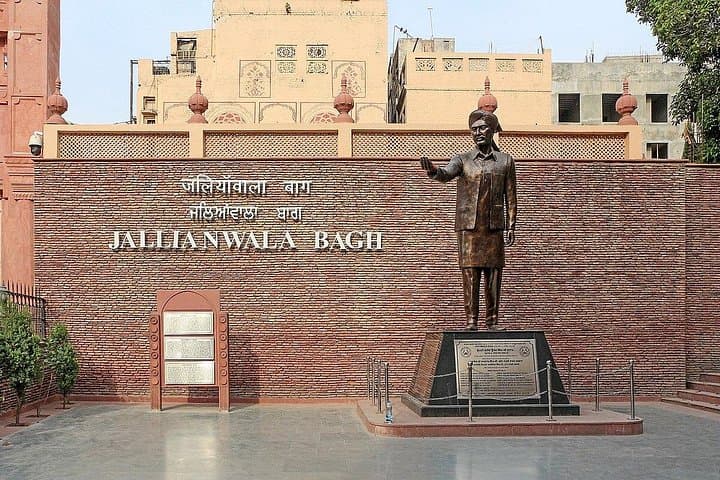
This full-day loop threads together living history: the Harmandir Sahib’s 17th‑century foundations and Maharaja Ranjit Singh’s gilding, the quiet, wrested grief of Jallianwala Bagh where 1919 bullets changed India’s course, and the Partition Museum’s intimate testimonies documenting 1947’s human upheaval. Geologically the city sits on the broad alluvial plains of the Punjab, a flat stage that makes every built landmark, gate and sarovar read clearly against the horizon.
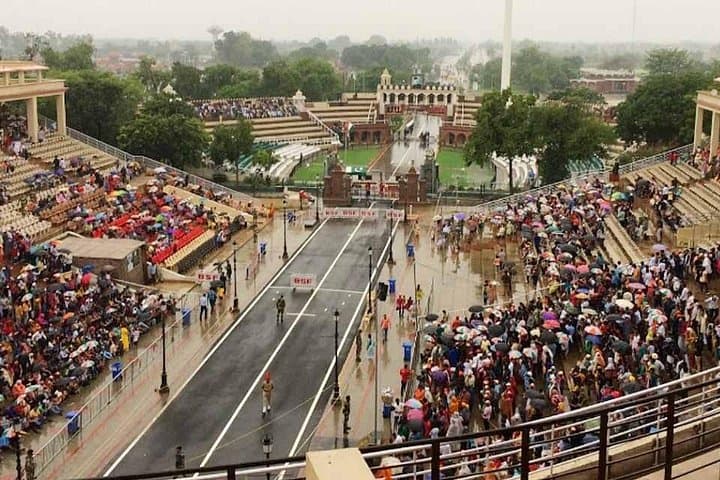
Culturally, Amritsar is heavy with Punjabi song, hearth-based food—kulcha chole, sarson da saag and thick lassi—and crafts like phulkari embroidery and jutti leatherwork. The day finishes at Wagah, 32 km west, where the border ceremony turns military drill into theatre, brass and boots daring flags to outshine one another.
Practicalities: wear modest, comfortable clothes you can remove for temple entry; bring a scarf to cover your head and slip-on shoes for quick removal. Expect 10–12 hours including transit; peak temple visits are early morning or late evening. Carry water, small change for offerings or market purchases, and a charged phone for photos outside restricted interiors. Move deliberately and respectfully—this is both a tourist route and an active sacred landscape.
No entrance fee; donations are accepted. Entry to the main shrine is free but follow queue instructions and security checks.
Yes, but organized tours simplify parking, entry and timing; independent visitors should arrive early and allow time for return transport.
Photography is allowed in many exterior areas but restricted in certain inner sanctums—follow signage and staff directions.
Yes—physical demands are low, but Wagah involves standing crowds; consider seating options or earlier arrival for elders and small children.
ROYAL ROUTE TRAVEL - RRT operates guided outdoor trips and adventures with an emphasis on safety, stewardship, and memorable experiences.
Dawn breaks over Amritsar and the Golden Temple's gold-plated upper story catches the light like a low sun on water. Pilgrims move in steady circuits around the marble parikarma, steam rises from the communal langar, and the call to service sets the pace for a day that moves between devotional calm and charged ceremony.
Dawn breaks over Amritsar and the Golden Temple's gold-plated upper story catches the light like a low sun on water. Pilgrims move in steady circuits around the marble parikarma, steam rises from the communal langar, and the call to service sets the pace for a day that moves between devotional calm and charged ceremony.
This full-day loop threads together living history: the Harmandir Sahib’s 17th‑century foundations and Maharaja Ranjit Singh’s gilding, the quiet, wrested grief of Jallianwala Bagh where 1919 bullets changed India’s course, and the Partition Museum’s intimate testimonies documenting 1947’s human upheaval. Geologically the city sits on the broad alluvial plains of the Punjab, a flat stage that makes every built landmark, gate and sarovar read clearly against the horizon.
Culturally, Amritsar is heavy with Punjabi song, hearth-based food—kulcha chole, sarson da saag and thick lassi—and crafts like phulkari embroidery and jutti leatherwork. The day finishes at Wagah, 32 km west, where the border ceremony turns military drill into theatre, brass and boots daring flags to outshine one another.
Practicalities: wear modest, comfortable clothes you can remove for temple entry; bring a scarf to cover your head and slip-on shoes for quick removal. Expect 10–12 hours including transit; peak temple visits are early morning or late evening. Carry water, small change for offerings or market purchases, and a charged phone for photos outside restricted interiors. Move deliberately and respectfully—this is both a tourist route and an active sacred landscape.