THE ADVENTURE COLLECTIVE® · Independent discovery and booking for outdoor travel

Experience Amritsar in a single, revealing day: dawn at the Golden Temple, a walk through Jallianwala Bagh and markets, the Partition Museum, and the high-drama Wagah border retreat. Practical tips and cultural context help you plan a full 10–11 hour immersion.
Experience Amritsar in a single, revealing day: dawn at the Golden Temple, a walk through Jallianwala Bagh and markets, the Partition Museum, and the high-drama Wagah border retreat. Practical tips and cultural context help you plan a full 10–11 hour immersion.
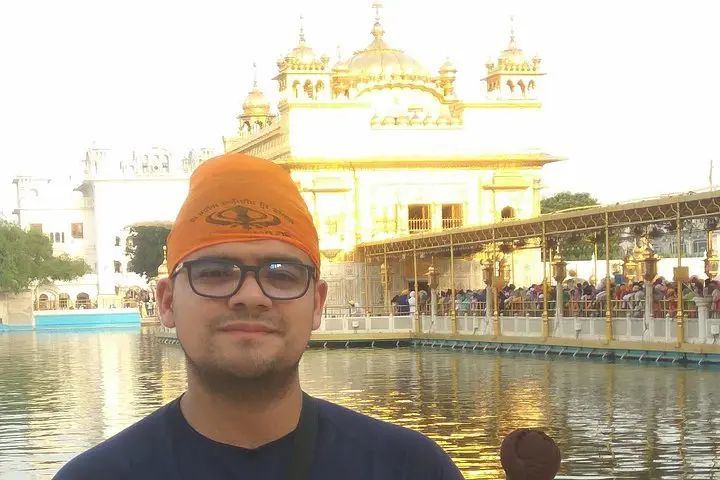
You step through a cooled doorway into the Golden Temple complex at dawn, marble underfoot and the langar kitchen already humming — pots clanking, volunteers moving like a practiced tide. The city around you is both intimate and loud: narrow lanes lead to centuries-old bazaars while the distant flag-lowering at Wagah waits, proud and choreographed.
Verified experiences and guided adventures in the surrounding area.
Operated by Planet Amritsar Inc. · Amritsar, Punjab
You step through a cooled doorway into the Golden Temple complex at dawn, marble underfoot and the langar kitchen already humming — pots clanking, volunteers moving like a practiced tide. The city around you is both intimate and loud: narrow lanes lead to centuries-old bazaars while the distant flag-lowering at Wagah waits, proud and choreographed.
This full-day cultural route threads Amritsar’s defining sites. Start at Harmandir Sahib (the Golden Temple), where the langar serves free meals to thousands and the Akal Takht marks Sikh martial history. Walk to Jallianwala Bagh, an enclosed garden that preserves the scars of the 1919 massacre, then through winding markets that date back to Mughal-era trade routes. The Partition Museum gives a sober portrait of 1947’s upheaval; its displays anchor stories you’ll hear from a local guide. The day closes at Wagah, on the India–Pakistan border, where the evening retreat ceremony stages a ritual of flags, drills and national fervor.
Geology and climate are straightforward: the flat alluvial plains of Punjab mean easy walking but strong sun in summer and thick fog in winter. Cultural norms matter—cover your head in gurdwaras, remove shoes, and be mindful at memorial sites.
Practical guidance: bring a refillable water bottle, lightweight modest clothing for temple visits, and plan for a 10–11 hour day with vehicle transfers. Expect limited walking difficulty but lots of standing at the ceremony; book morning starts to avoid late-afternoon traffic and the hottest hours in summer.
No—entry to the Golden Temple complex is free; donations are optional and langar meals are provided at no cost.
Yes—the ceremony is a regular public event with security in place; follow instructions from officials and avoid bringing large bags to speed entry.
Yes—this tour includes breakfast and a full Punjabi lunch, often with homemade dishes shared in a local setting.
The tour is generally suitable for people with limited mobility due to vehicle transfers and mostly flat walking, but some sites have steps; check with the operator for specific assistance.
Planet Amritsar Inc. operates guided outdoor trips and adventures with an emphasis on safety, stewardship, and memorable experiences.
You step through a cooled doorway into the Golden Temple complex at dawn, marble underfoot and the langar kitchen already humming — pots clanking, volunteers moving like a practiced tide. The city around you is both intimate and loud: narrow lanes lead to centuries-old bazaars while the distant flag-lowering at Wagah waits, proud and choreographed.
You step through a cooled doorway into the Golden Temple complex at dawn, marble underfoot and the langar kitchen already humming — pots clanking, volunteers moving like a practiced tide. The city around you is both intimate and loud: narrow lanes lead to centuries-old bazaars while the distant flag-lowering at Wagah waits, proud and choreographed.
This full-day cultural route threads Amritsar’s defining sites. Start at Harmandir Sahib (the Golden Temple), where the langar serves free meals to thousands and the Akal Takht marks Sikh martial history. Walk to Jallianwala Bagh, an enclosed garden that preserves the scars of the 1919 massacre, then through winding markets that date back to Mughal-era trade routes. The Partition Museum gives a sober portrait of 1947’s upheaval; its displays anchor stories you’ll hear from a local guide. The day closes at Wagah, on the India–Pakistan border, where the evening retreat ceremony stages a ritual of flags, drills and national fervor.
Geology and climate are straightforward: the flat alluvial plains of Punjab mean easy walking but strong sun in summer and thick fog in winter. Cultural norms matter—cover your head in gurdwaras, remove shoes, and be mindful at memorial sites.
Practical guidance: bring a refillable water bottle, lightweight modest clothing for temple visits, and plan for a 10–11 hour day with vehicle transfers. Expect limited walking difficulty but lots of standing at the ceremony; book morning starts to avoid late-afternoon traffic and the hottest hours in summer.