THE ADVENTURE COLLECTIVE® · Independent discovery and booking for outdoor travel

Cross the Corinth Canal and follow the Alfios River into the wide plain of Ancient Olympia on a full‑day private tour. See the Temple of Zeus, the stadium where the original Games were held, and choose an optional onsite guide for deeper context.
Cross the Corinth Canal and follow the Alfios River into the wide plain of Ancient Olympia on a full‑day private tour. See the Temple of Zeus, the stadium where the original Games were held, and choose an optional onsite guide for deeper context.
You start before dawn, leaving Athens as the highway unspools toward the Peloponnese. The first landmark is dramatic: the Corinth Canal, a 6.4-kilometer scar cut through rock where ships slip between two gulfs and cliffs stand like motionless sentries. From there the road bends into the Alfios valley—olive groves and low hills give way to the broad sweep of the plain where Olympia’s ruins sit like the memory of a gathering.
Verified experiences and guided adventures in the surrounding area.
Operated by CATTAXI · Olympia, Peloponnese
You start before dawn, leaving Athens as the highway unspools toward the Peloponnese. The first landmark is dramatic: the Corinth Canal, a 6.4-kilometer scar cut through rock where ships slip between two gulfs and cliffs stand like motionless sentries. From there the road bends into the Alfios valley—olive groves and low hills give way to the broad sweep of the plain where Olympia’s ruins sit like the memory of a gathering.
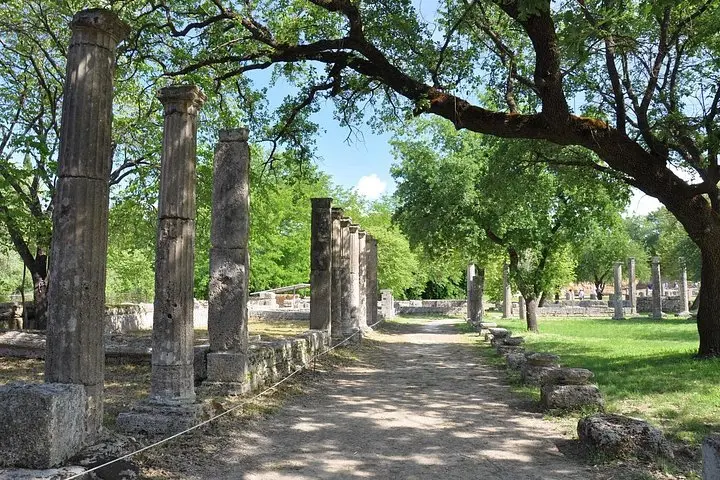
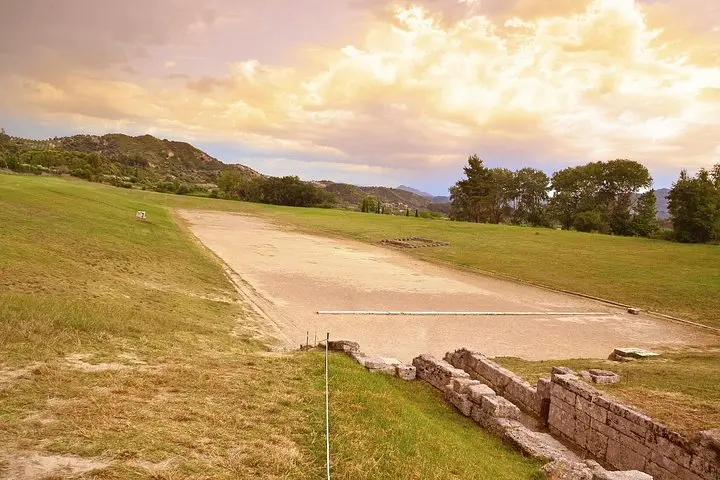
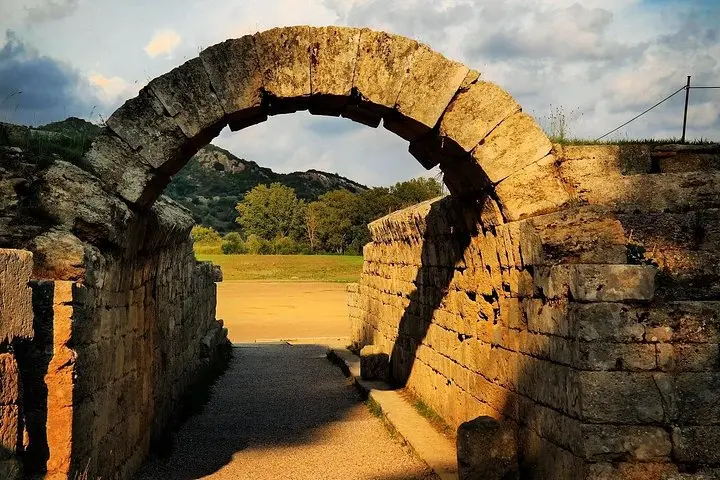
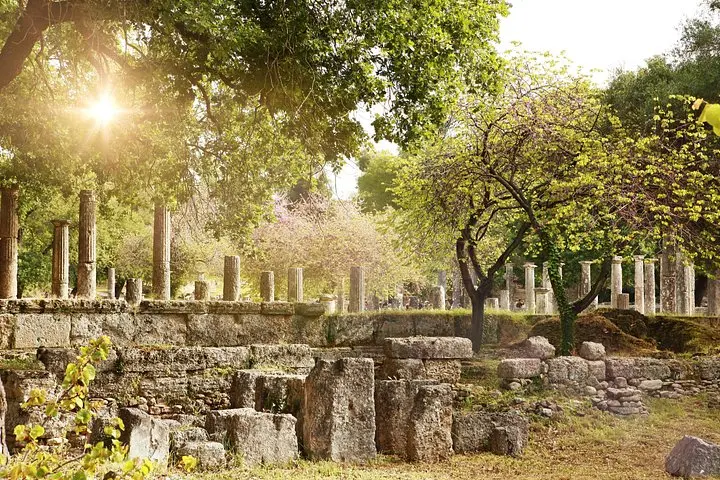
History and geology are visible together: the stadium’s packed earth and the foundations of the Temple of Zeus rest on alluvial soils shaped by the Alfios, while marble columns tell of classical sculptors and the colossal chryselephantine statue Phidias once housed inside. Culturally, Olympia was the clearing where city-states paused war to compete, and the tradition survives—today the Olympic flame is kindled here before each modern Games.
You’ll also pass small villages such as Epitalio where local cafes serve coffee beside olive presses; the Archaeological Museum of Olympia nearby displays sculptures recovered from the site. Expect a long but manageable day: the tour runs about 11–14 hours with extended drives and several hours walking on unpaved, uneven ground.
Practical notes: departure is early (6:30–7:30), admission fees and an onsite guide are extra, and the provided vehicle includes AC, Wi‑Fi and an English‑speaking driver. Bring sturdy shoes, sun protection, water and some cash or card for tickets and food. If you want deeper context on site finds, consider hiring the professional guide available at the archaeological park for an additional fee.
No. Admission to Archaeological Site and Museum is not included and must be paid on site.
Expect about a 3.5–4 hour drive each way depending on traffic, which is why the full day runs roughly 11–14 hours.
No; the driver provides commentary but does not enter the archaeological sites—an onsite professional guide can be hired for an additional fee.
Children are welcome; infant seats and strollers are available, but parts of the site are uneven and may limit stroller access.
CATTAXI operates guided outdoor trips and adventures with an emphasis on safety, stewardship, and memorable experiences.
You start before dawn, leaving Athens as the highway unspools toward the Peloponnese. The first landmark is dramatic: the Corinth Canal, a 6.4-kilometer scar cut through rock where ships slip between two gulfs and cliffs stand like motionless sentries. From there the road bends into the Alfios valley—olive groves and low hills give way to the broad sweep of the plain where Olympia’s ruins sit like the memory of a gathering.
You start before dawn, leaving Athens as the highway unspools toward the Peloponnese. The first landmark is dramatic: the Corinth Canal, a 6.4-kilometer scar cut through rock where ships slip between two gulfs and cliffs stand like motionless sentries. From there the road bends into the Alfios valley—olive groves and low hills give way to the broad sweep of the plain where Olympia’s ruins sit like the memory of a gathering.
History and geology are visible together: the stadium’s packed earth and the foundations of the Temple of Zeus rest on alluvial soils shaped by the Alfios, while marble columns tell of classical sculptors and the colossal chryselephantine statue Phidias once housed inside. Culturally, Olympia was the clearing where city-states paused war to compete, and the tradition survives—today the Olympic flame is kindled here before each modern Games.
You’ll also pass small villages such as Epitalio where local cafes serve coffee beside olive presses; the Archaeological Museum of Olympia nearby displays sculptures recovered from the site. Expect a long but manageable day: the tour runs about 11–14 hours with extended drives and several hours walking on unpaved, uneven ground.
Practical notes: departure is early (6:30–7:30), admission fees and an onsite guide are extra, and the provided vehicle includes AC, Wi‑Fi and an English‑speaking driver. Bring sturdy shoes, sun protection, water and some cash or card for tickets and food. If you want deeper context on site finds, consider hiring the professional guide available at the archaeological park for an additional fee.