THE ADVENTURE COLLECTIVE® · Independent discovery and booking for outdoor travel

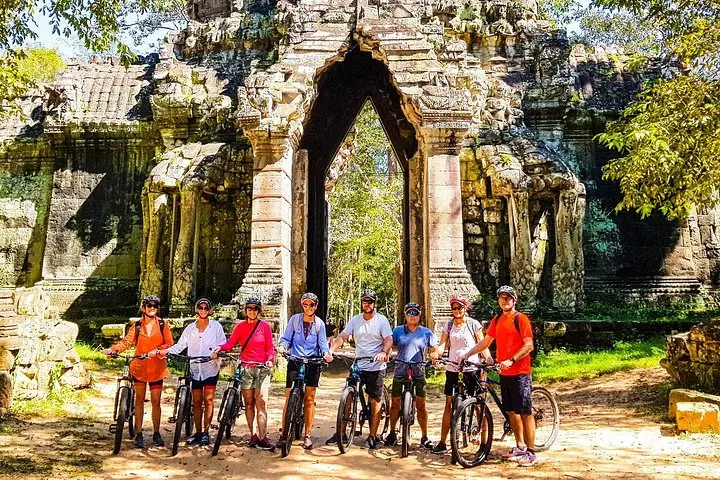
Spend a day cycling from rice paddies to ruined galleries—explore Angkor Wat, Bayon and Ta Prohm by bike with a local guide. Expect 7–8 hours of mostly flat riding, shady jungle approaches and historic storytelling that brings the Khmer temples to life.
Spend a day cycling from rice paddies to ruined galleries—explore Angkor Wat, Bayon and Ta Prohm by bike with a local guide. Expect 7–8 hours of mostly flat riding, shady jungle approaches and historic storytelling that brings the Khmer temples to life.
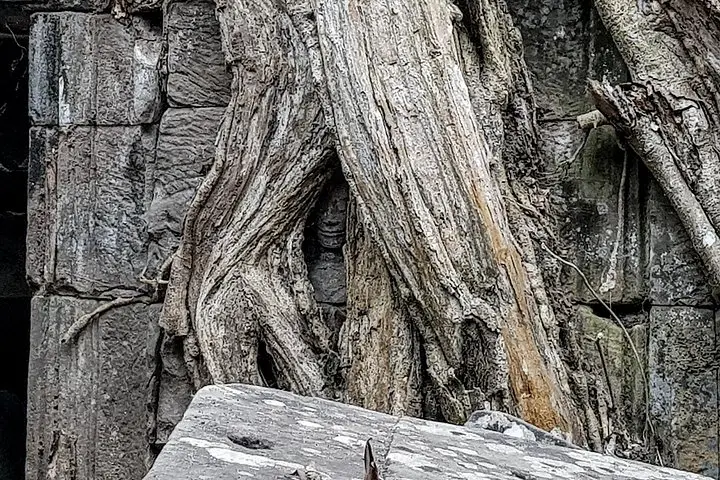
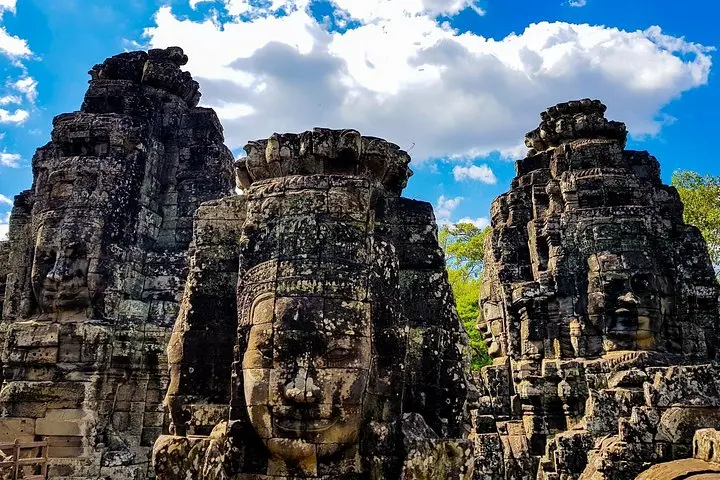
The sun lifts over a broad stone moat and you clip into pedals while the temple towers keep their cool shadows. Morning air smells of wet earth and diesel from a distant village; the road takes you from quiet farm tracks into corridors of crumbling sandstone where fig roots strangle lintels and the faces of kings peer through moss.
Verified experiences and guided adventures in the surrounding area.
Operated by Siemreapian Tourguide · Siem Reap, Siem Reap Province
The sun lifts over a broad stone moat and you clip into pedals while the temple towers keep their cool shadows. Morning air smells of wet earth and diesel from a distant village; the road takes you from quiet farm tracks into corridors of crumbling sandstone where fig roots strangle lintels and the faces of kings peer through moss.
This full-day ride threads together Angkor Wat, Bayon inside Angkor Thom, and the root-entwined galleries of Ta Prohm. These sites were raised by the Khmer empire between the 9th and 13th centuries—Angkor Wat by Suryavarman II in the 12th century and Bayon later under Jayavarman VII—and their blocks are mostly sandstone and laterite quarried from nearby ridges and riverbeds. The landscape around the park is flat alluvial plain; geological forces left broad rice paddies and sandy tracks that become dust when dry and slick after rain.
Culturally the route passes small villages and markets where daily life continues unchanged: water buffalo graze, women tend paddies, children chase your shadow. Guides fill in myths behind carvings—Apsara dancers, celestial nymphs, and battle scenes—bringing context to the stones.
Practicalities: expect 7–8 hours of riding, 20–35 km depending on stops, mostly flat terrain on paved and packed earth. Start at first light to avoid heat, carry generous water, sun protection, and insect repellent. You’ll need an Angkor Archaeological Park ticket (purchase at the official ticket center), and local rules require modest dress in some temple zones. The operator provides bottled water, snacks, an English-speaking guide, and a tuk‑tuk transfer if you can’t finish—so you can focus on the route and the ruins rather than logistics.
No—temple entry passes are handled through the official Angkor ticket center; plan to purchase a pass before entering the park.
Routes vary with photo stops, but expect roughly 20–35 km and 7–8 hours including temple visits and breaks.
Travelers should have moderate fitness and basic cycling ability; the operator provides a tuk‑tuk transfer if you can’t finish.
The tour includes bottled water and snacks; full meals are not guaranteed—bring cash if you want to buy lunch in Siem Reap or at a roadside café.
Siemreapian Tourguide operates guided outdoor trips and adventures with an emphasis on safety, stewardship, and memorable experiences.

The sun lifts over a broad stone moat and you clip into pedals while the temple towers keep their cool shadows. Morning air smells of wet earth and diesel from a distant village; the road takes you from quiet farm tracks into corridors of crumbling sandstone where fig roots strangle lintels and the faces of kings peer through moss.
The sun lifts over a broad stone moat and you clip into pedals while the temple towers keep their cool shadows. Morning air smells of wet earth and diesel from a distant village; the road takes you from quiet farm tracks into corridors of crumbling sandstone where fig roots strangle lintels and the faces of kings peer through moss.
This full-day ride threads together Angkor Wat, Bayon inside Angkor Thom, and the root-entwined galleries of Ta Prohm. These sites were raised by the Khmer empire between the 9th and 13th centuries—Angkor Wat by Suryavarman II in the 12th century and Bayon later under Jayavarman VII—and their blocks are mostly sandstone and laterite quarried from nearby ridges and riverbeds. The landscape around the park is flat alluvial plain; geological forces left broad rice paddies and sandy tracks that become dust when dry and slick after rain.
Culturally the route passes small villages and markets where daily life continues unchanged: water buffalo graze, women tend paddies, children chase your shadow. Guides fill in myths behind carvings—Apsara dancers, celestial nymphs, and battle scenes—bringing context to the stones.
Practicalities: expect 7–8 hours of riding, 20–35 km depending on stops, mostly flat terrain on paved and packed earth. Start at first light to avoid heat, carry generous water, sun protection, and insect repellent. You’ll need an Angkor Archaeological Park ticket (purchase at the official ticket center), and local rules require modest dress in some temple zones. The operator provides bottled water, snacks, an English-speaking guide, and a tuk‑tuk transfer if you can’t finish—so you can focus on the route and the ruins rather than logistics.