THE ADVENTURE COLLECTIVE® · Independent discovery and booking for outdoor travel

A single-day tour through Angkor’s most iconic monuments—from the vast galleries of Angkor Wat to the pink-carved Banteay Srei—this circuit pairs blockbuster temples with quieter, locally textured stops. Practical tips on passes, timing, and heat management help you make the most of an intensive day.
A single-day tour through Angkor’s most iconic monuments—from the vast galleries of Angkor Wat to the pink-carved Banteay Srei—this circuit pairs blockbuster temples with quieter, locally textured stops. Practical tips on passes, timing, and heat management help you make the most of an intensive day.
You step from the air-conditioned van into a wide, dust-bright courtyard and the stone of Angkor hits you: dry, warm, and carved with faces that watch the sky.
Verified experiences and guided adventures in the surrounding area.
Operated by Angkor Pro Travel · Siem Reap, Siem Reap Province
You step from the air-conditioned van into a wide, dust-bright courtyard and the stone of Angkor hits you: dry, warm, and carved with faces that watch the sky.
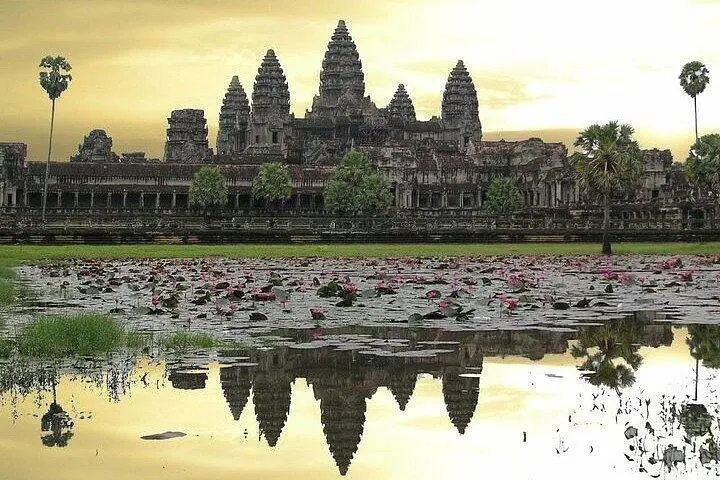
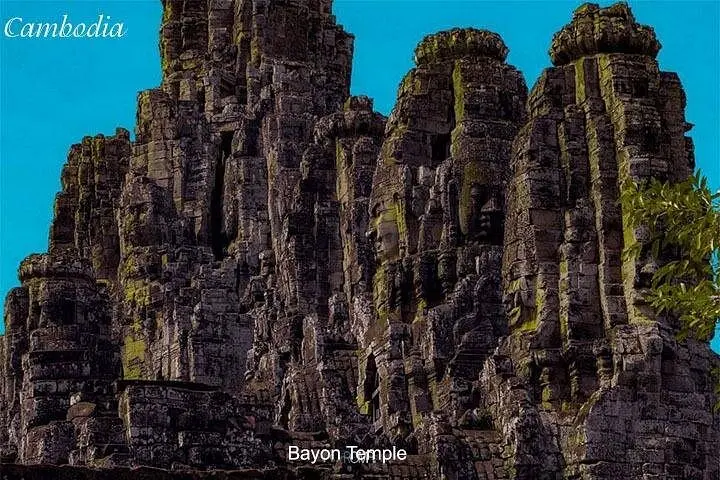
This full-day circuit threads the great monuments of the Small Circuit—Angkor Wat’s vast causeway and galleries, the jungle-claimed corridors of Ta Prohm, the pyramid of Pre Rup, and the close, pink carvings of Banteay Srei. The itinerary moves from grand Angkorian city planning to intimate stonework: Bayon’s many-faced towers inside Angkor Thom, the ceremonial terraces once used by kings, then onward to Banteay Srei’s delicate 10th-century sandstone reliefs built for Hindu devotion.
Geologically the park sits on uplifted sandstone plates where monsoon-runoff carved moats and channels that once supported the Khmer hydraulic system. Culturally the sites chronicle the Khmer Empire’s shift from Hindu ritual to Buddhist iconography; local villages along the route still farm rice and make lacquerware, and you’ll pass paddies that swell green in the wet season.
Practical guidance: buy the Angkor Pass early (the guide usually helps on pickup), wear breathable, modest clothing that covers shoulders and knees, and plan for 8–10 hours on your feet with repeated stairs and uneven stone. Start early to avoid the heat, carry at least 2 liters of water, and budget time for photos—some of the best light arrives in the softer hours near dawn and late afternoon. Respect taped-off areas; the carvings are fragile and ongoing conservation is visible at many sites.
No; the Angkor Pass is not included in the tour price—the guide typically stops at the ticket center near the park entrance to help you purchase one.
Expect multiple hours of walking and numerous stone steps; most stops involve short climbs and uneven terrain, but none require technical climbing skills.
Yes, private hotel pickup and drop-off in Siem Reap are included as part of the tour’s transport amenities.
All sales are final—this tour does not offer refunds for cancellations, so confirm plans before booking.
Angkor Pro Travel operates guided outdoor trips and adventures with an emphasis on safety, stewardship, and memorable experiences.

You step from the air-conditioned van into a wide, dust-bright courtyard and the stone of Angkor hits you: dry, warm, and carved with faces that watch the sky.
You step from the air-conditioned van into a wide, dust-bright courtyard and the stone of Angkor hits you: dry, warm, and carved with faces that watch the sky.
This full-day circuit threads the great monuments of the Small Circuit—Angkor Wat’s vast causeway and galleries, the jungle-claimed corridors of Ta Prohm, the pyramid of Pre Rup, and the close, pink carvings of Banteay Srei. The itinerary moves from grand Angkorian city planning to intimate stonework: Bayon’s many-faced towers inside Angkor Thom, the ceremonial terraces once used by kings, then onward to Banteay Srei’s delicate 10th-century sandstone reliefs built for Hindu devotion.
Geologically the park sits on uplifted sandstone plates where monsoon-runoff carved moats and channels that once supported the Khmer hydraulic system. Culturally the sites chronicle the Khmer Empire’s shift from Hindu ritual to Buddhist iconography; local villages along the route still farm rice and make lacquerware, and you’ll pass paddies that swell green in the wet season.
Practical guidance: buy the Angkor Pass early (the guide usually helps on pickup), wear breathable, modest clothing that covers shoulders and knees, and plan for 8–10 hours on your feet with repeated stairs and uneven stone. Start early to avoid the heat, carry at least 2 liters of water, and budget time for photos—some of the best light arrives in the softer hours near dawn and late afternoon. Respect taped-off areas; the carvings are fragile and ongoing conservation is visible at many sites.