THE ADVENTURE COLLECTIVE® · Independent discovery and booking for outdoor travel

Spend a full day tracing the Khmer Empire from Angkor Wat to Ta Prohm. This guided tour covers Angkor Wat, Angkor Thom and Bayon with cultural context, shaded walks and practical tips for making the most of a long day in the temples.
Spend a full day tracing the Khmer Empire from Angkor Wat to Ta Prohm. This guided tour covers Angkor Wat, Angkor Thom and Bayon with cultural context, shaded walks and practical tips for making the most of a long day in the temples.
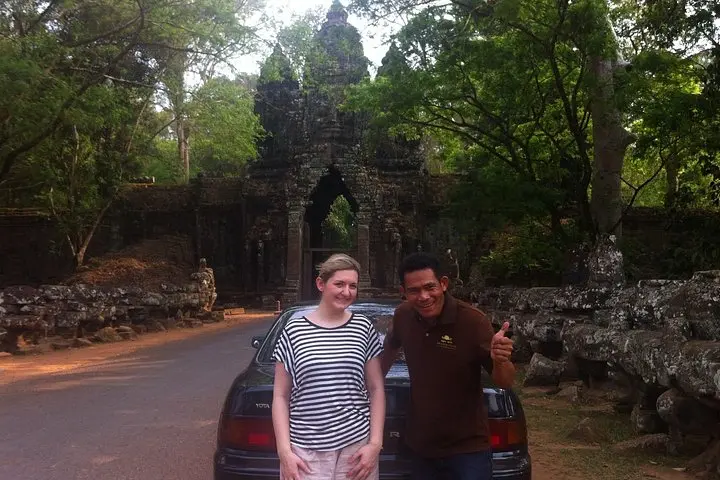
Dawn pulls a cool ribbon of light across the moat and you step through the stone causeway toward Angkor Wat, where sandstone walls hold the print of centuries. The complex spreads like a small city—towering central quincunx, carved bas-reliefs, corridors that funnel both shade and history. By mid-morning you’re at Angkor Thom: its gate faces wear time like a map and the Bayon’s carved faces watch the square with a calm that nudges you toward quieter reflection.
Verified experiences and guided adventures in the surrounding area.
Operated by Toptrip Inspire Cambodia · Siem Reap, Siem Reap Province
Dawn pulls a cool ribbon of light across the moat and you step through the stone causeway toward Angkor Wat, where sandstone walls hold the print of centuries. The complex spreads like a small city—towering central quincunx, carved bas-reliefs, corridors that funnel both shade and history. By mid-morning you’re at Angkor Thom: its gate faces wear time like a map and the Bayon’s carved faces watch the square with a calm that nudges you toward quieter reflection.
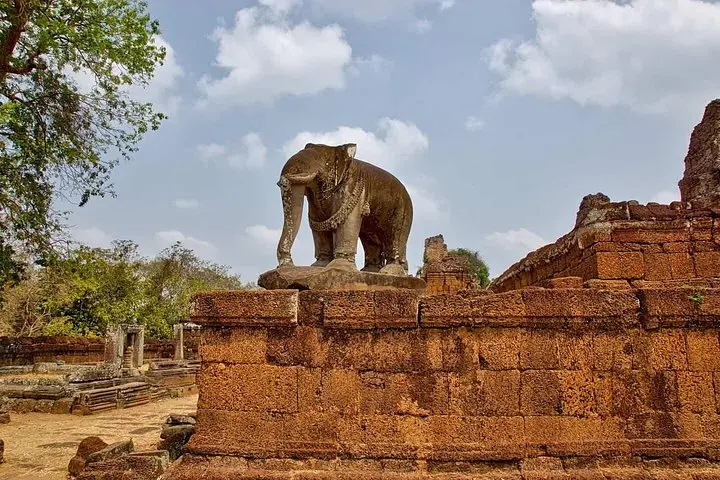
These monuments are the legacy of the Khmer Empire, largely expanded under Jayavarman VII in the late 12th century. The temples sit on uplifted, weathered sandstone; seasonal flooding and tropical vegetation shape the look and feel of every chevet and courtyard. Ta Prohm's roots have pushed through masonry for centuries, vines and strangler figs playing a long game against human craft.
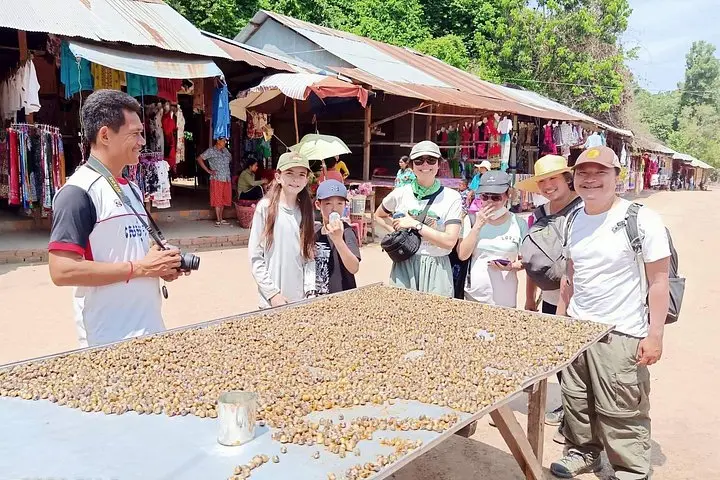
Expect a mix of walking on worn stone, uneven paths and shaded lanes threaded with souvenir stalls and cycling tuk-tuks. Guides translate inscriptions and point out panels depicting court life and myth; local vendors offer cold drinks and simple snacks between stops. Cultural etiquette is straightforward: shoulders and knees covered inside shrines, voices moderated near active sanctuaries.
Practical side: this is a full-day outing—6–8 hours including transfers—so hydrate before and during, wear sturdy, breathable shoes and sun protection, and carry small bills for entry fares, tips and market purchases. If you want fewer crowds, arrive at the first site before 8:00 a.m. and plan short breaks during the hottest part of the day.
No; standard Angkor Archaeological Park tickets are typically purchased separately at the park entrance—confirm with your operator before arrival.
On this full-day tour expect about 2–3 hours at Angkor Wat and roughly an hour each at Bayon and Ta Prohm, plus transfer times and short stops en route.
Yes—it's rated easy and suitable for most fitness levels; however, participants should be able to walk short distances on uneven surfaces and manage steps.
Photography is generally allowed at outdoor areas; inside active shrines or where signs restrict photography you should respect rules and avoid flash.
Toptrip Inspire Cambodia operates guided outdoor trips and adventures with an emphasis on safety, stewardship, and memorable experiences.
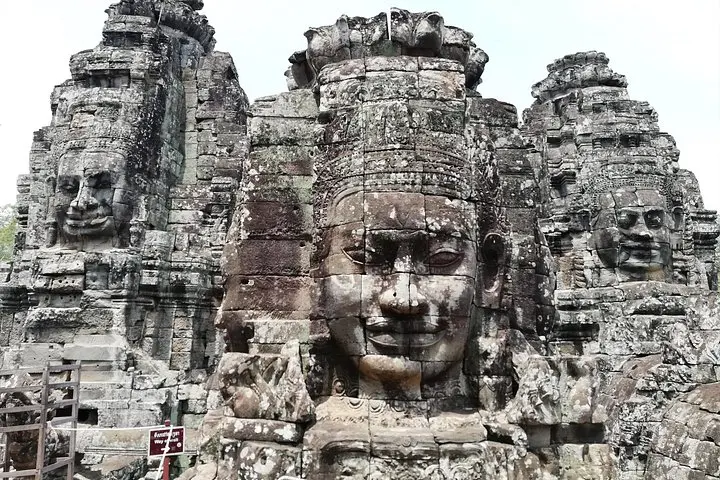
Dawn pulls a cool ribbon of light across the moat and you step through the stone causeway toward Angkor Wat, where sandstone walls hold the print of centuries. The complex spreads like a small city—towering central quincunx, carved bas-reliefs, corridors that funnel both shade and history. By mid-morning you’re at Angkor Thom: its gate faces wear time like a map and the Bayon’s carved faces watch the square with a calm that nudges you toward quieter reflection.
Dawn pulls a cool ribbon of light across the moat and you step through the stone causeway toward Angkor Wat, where sandstone walls hold the print of centuries. The complex spreads like a small city—towering central quincunx, carved bas-reliefs, corridors that funnel both shade and history. By mid-morning you’re at Angkor Thom: its gate faces wear time like a map and the Bayon’s carved faces watch the square with a calm that nudges you toward quieter reflection.
These monuments are the legacy of the Khmer Empire, largely expanded under Jayavarman VII in the late 12th century. The temples sit on uplifted, weathered sandstone; seasonal flooding and tropical vegetation shape the look and feel of every chevet and courtyard. Ta Prohm's roots have pushed through masonry for centuries, vines and strangler figs playing a long game against human craft.
Expect a mix of walking on worn stone, uneven paths and shaded lanes threaded with souvenir stalls and cycling tuk-tuks. Guides translate inscriptions and point out panels depicting court life and myth; local vendors offer cold drinks and simple snacks between stops. Cultural etiquette is straightforward: shoulders and knees covered inside shrines, voices moderated near active sanctuaries.
Practical side: this is a full-day outing—6–8 hours including transfers—so hydrate before and during, wear sturdy, breathable shoes and sun protection, and carry small bills for entry fares, tips and market purchases. If you want fewer crowds, arrive at the first site before 8:00 a.m. and plan short breaks during the hottest part of the day.