THE ADVENTURE COLLECTIVE® · Independent discovery and booking for outdoor travel

Spend a full day exploring Angkor Wat’s grand galleries, lesser‑visited jungle temples and a five‑stop countryside food tour at sunset. This all‑inclusive outing combines temple pass, tuk‑tuk transport, a local guide, and regional dishes for a single, immersive day in Siem Reap.
Spend a full day exploring Angkor Wat’s grand galleries, lesser‑visited jungle temples and a five‑stop countryside food tour at sunset. This all‑inclusive outing combines temple pass, tuk‑tuk transport, a local guide, and regional dishes for a single, immersive day in Siem Reap.
The day opens with damp air and a tuk‑tuk driver weaving through sleepy Siem Reap as first light paints Angkor Wat’s reflection in the moat. You step out onto stone causeways, the cool sandstone underfoot, and spend morning hours moving from the temple’s carved galleries to the root‑strangled corridors of Ta Prohm where nature still seems to be rewriting the architecture.
Verified experiences and guided adventures in the surrounding area.
Operated by Lost Plate · Siem Reap, Siem Reap Province
The day opens with damp air and a tuk‑tuk driver weaving through sleepy Siem Reap as first light paints Angkor Wat’s reflection in the moat. You step out onto stone causeways, the cool sandstone underfoot, and spend morning hours moving from the temple’s carved galleries to the root‑strangled corridors of Ta Prohm where nature still seems to be rewriting the architecture.
Built in the 12th century under King Suryavarman II, Angkor Wat and its satellite temples sit on an engineered landscape of quarries, moats and laterite foundations. The sandstone blocks and bas‑reliefs tell stories of the Khmer Empire while the surrounding plains—seasonal rice paddies and lotus beds—explain why the site thrives between wet and dry cycles. Cultural rhythms are visible in the villages you pass by: farmers hauling water buffalo, vendors drying rice, and women harvesting lotus seeds at dusk.
Practical details shape the experience: this is a full‑day, roughly 13‑hour outing with temple entrance fees, tuk‑tuk transport, an English guide, and lunch plus a five‑stop countryside food tour at sunset included. Expect hours of walking on uneven steps and packed dirt; dress respectfully (shoulders and knees covered) for active temple access. Bring sun protection, insect repellent, and reusable water—unlimited bottled water is provided but a refillable bottle reduces waste.
Pace yourself between temple stops, plan for hot, humid conditions in the dry season and sudden showers in monsoon months, and keep small cash on hand for market snacks or guide tips. The payoff is immediate: history, landscape, and local flavors converging as the sun slips behind lotus‑strewn paddies.
Yes, the full‑day tour includes the necessary Angkor temple pass and admissions listed in the itinerary.
Dress conservatively—cover shoulders and knees; lightweight fabrics are best for Cambodia’s heat, and comfortable shoes are essential.
Infants must sit on laps; the tour involves long periods of walking and uneven steps so it’s not recommended for travelers with serious back or heart conditions or limited mobility.
Guides can usually arrange options if you notify at booking—inform the operator of allergies, vegetarian or religious dietary needs in advance.
Lost Plate operates guided outdoor trips and adventures with an emphasis on safety, stewardship, and memorable experiences.
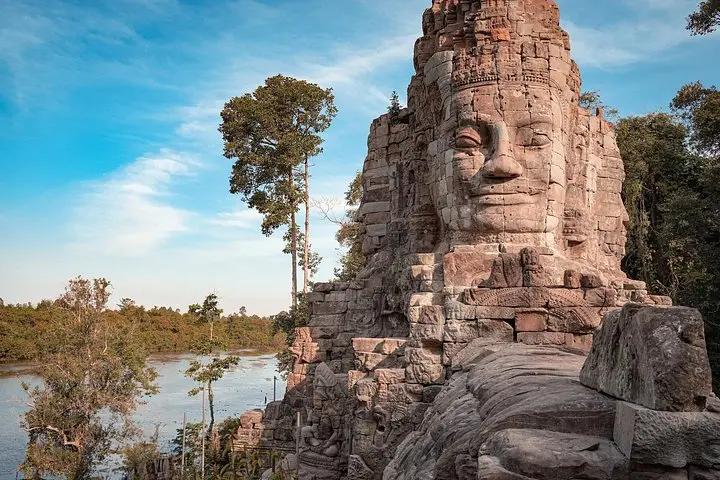

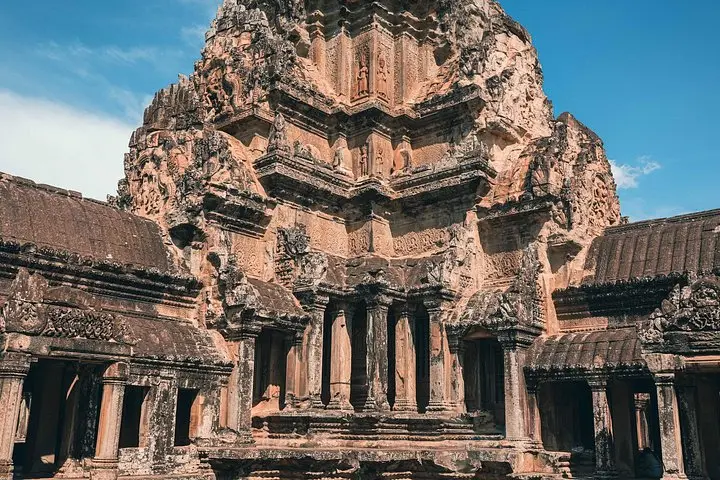
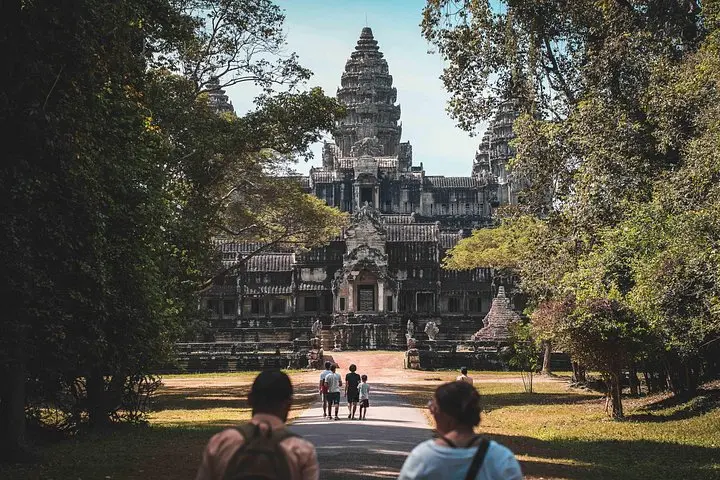
The day opens with damp air and a tuk‑tuk driver weaving through sleepy Siem Reap as first light paints Angkor Wat’s reflection in the moat. You step out onto stone causeways, the cool sandstone underfoot, and spend morning hours moving from the temple’s carved galleries to the root‑strangled corridors of Ta Prohm where nature still seems to be rewriting the architecture.
The day opens with damp air and a tuk‑tuk driver weaving through sleepy Siem Reap as first light paints Angkor Wat’s reflection in the moat. You step out onto stone causeways, the cool sandstone underfoot, and spend morning hours moving from the temple’s carved galleries to the root‑strangled corridors of Ta Prohm where nature still seems to be rewriting the architecture.
Built in the 12th century under King Suryavarman II, Angkor Wat and its satellite temples sit on an engineered landscape of quarries, moats and laterite foundations. The sandstone blocks and bas‑reliefs tell stories of the Khmer Empire while the surrounding plains—seasonal rice paddies and lotus beds—explain why the site thrives between wet and dry cycles. Cultural rhythms are visible in the villages you pass by: farmers hauling water buffalo, vendors drying rice, and women harvesting lotus seeds at dusk.
Practical details shape the experience: this is a full‑day, roughly 13‑hour outing with temple entrance fees, tuk‑tuk transport, an English guide, and lunch plus a five‑stop countryside food tour at sunset included. Expect hours of walking on uneven steps and packed dirt; dress respectfully (shoulders and knees covered) for active temple access. Bring sun protection, insect repellent, and reusable water—unlimited bottled water is provided but a refillable bottle reduces waste.
Pace yourself between temple stops, plan for hot, humid conditions in the dry season and sudden showers in monsoon months, and keep small cash on hand for market snacks or guide tips. The payoff is immediate: history, landscape, and local flavors converging as the sun slips behind lotus‑strewn paddies.