THE ADVENTURE COLLECTIVE® · Independent discovery and booking for outdoor travel

Spend a full day tracing the forces that shaped modern South Africa: gold-driven Johannesburg, a converted political prison museum and Soweto including Nelson Mandela’s house. This guided tour bundles context, local stories and a included lunch into a 4–5 hour exploration.
Spend a full day tracing the forces that shaped modern South Africa: gold-driven Johannesburg, a converted political prison museum and Soweto including Nelson Mandela’s house. This guided tour bundles context, local stories and a included lunch into a 4–5 hour exploration.
You step off an air-conditioned minivan into a city that grew wild around a glittering seam of gold; streets hum with traffic and the past presses at the edges of storefronts and memorials.
Verified experiences and guided adventures in the surrounding area.
Operated by Honest Travel Experience · Johannesburg, Gauteng
You step off an air-conditioned minivan into a city that grew wild around a glittering seam of gold; streets hum with traffic and the past presses at the edges of storefronts and memorials.
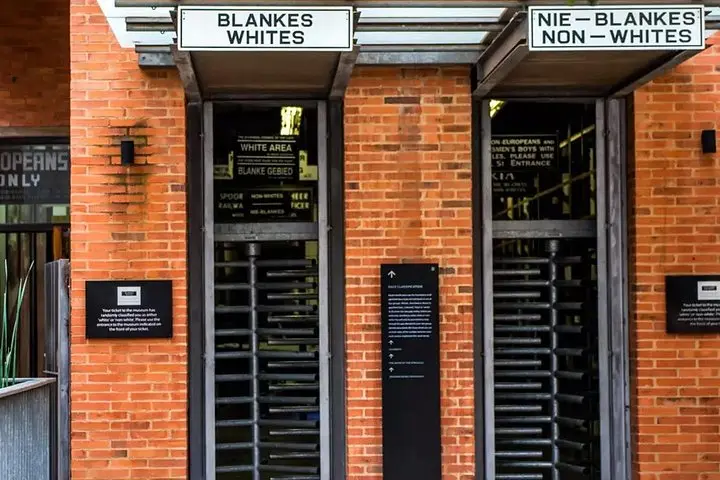
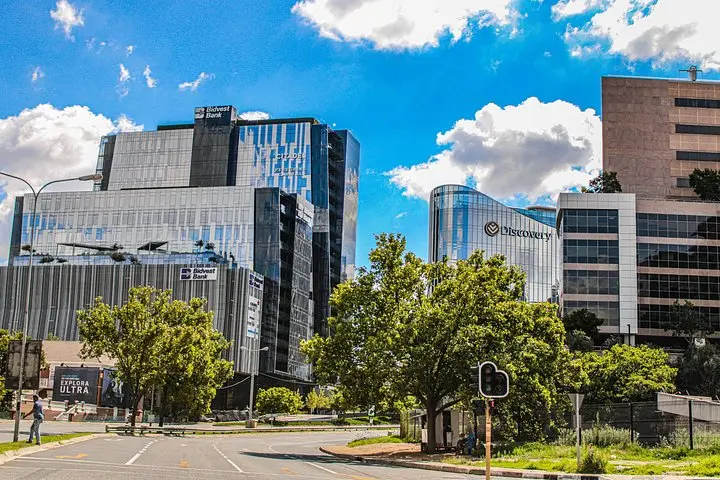
The day moves in two deliberate parts: first, Johannesburg’s commercial heart, where the discovery of gold on the Witwatersrand in the late 19th century transformed veld into high-rise and minehead offices, then Soweto—where homes, murals and community spaces tell the story of resistance. You’ll visit a former political prison-turned-museum and walk the compound of a mining headquarters that explains how resource extraction shaped laws, labour and migration.
Soweto’s Vilakazi Street and Nelson Mandela’s house are focal points: intimate rooms, neighborhood life and public memory that connect policy to people. The tour frames apartheid as an engineered system—pass laws, spatial segregation, economic controls—and then traces enduring inequalities and the ways communities respond today.
Practical notes are straightforward: this is a 4–5 hour guided excursion with lunch, coffee and museum entrance included and transport in an air-conditioned vehicle. The pace is easy—short walks between stops with time to reflect and ask questions. Bring a charged phone or camera, a hat, comfortable shoes and an openness to hard history.
Conclude the day with concrete takeaways: how Johannesburg’s geology altered its politics, why Soweto became a crucible of protest, and how contemporary South Africa negotiates memory and rebuilds civic life.
The experience runs approximately 4–5 hours (240–300 minutes), covering Johannesburg city sites and Soweto with several stops.
Yes—lunch, coffee/tea and museum entrance fees listed by the operator are included in the booking.
The tour is marketed as physically easy and suitable for most ages, though some historic sites involve stairs—contact the operator about specific accessibility needs.
Full refund available if you cancel at least 24 hours before the scheduled departure time; within 24 hours there is no refund.
Honest Travel Experience operates guided outdoor trips and adventures with an emphasis on safety, stewardship, and memorable experiences.
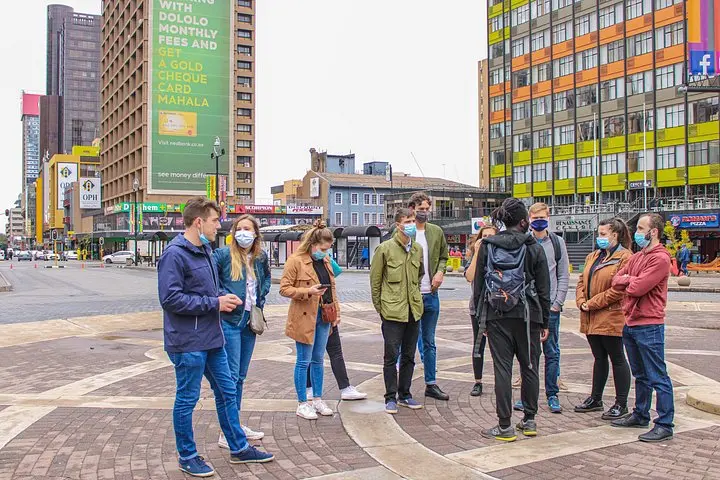
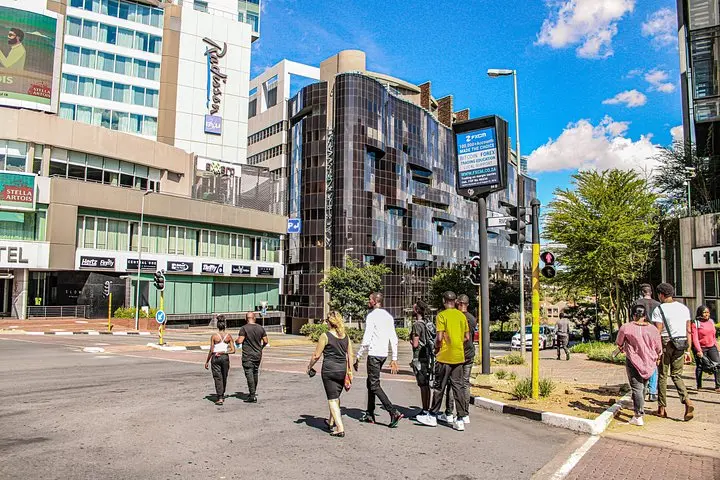
You step off an air-conditioned minivan into a city that grew wild around a glittering seam of gold; streets hum with traffic and the past presses at the edges of storefronts and memorials.
You step off an air-conditioned minivan into a city that grew wild around a glittering seam of gold; streets hum with traffic and the past presses at the edges of storefronts and memorials.
The day moves in two deliberate parts: first, Johannesburg’s commercial heart, where the discovery of gold on the Witwatersrand in the late 19th century transformed veld into high-rise and minehead offices, then Soweto—where homes, murals and community spaces tell the story of resistance. You’ll visit a former political prison-turned-museum and walk the compound of a mining headquarters that explains how resource extraction shaped laws, labour and migration.
Soweto’s Vilakazi Street and Nelson Mandela’s house are focal points: intimate rooms, neighborhood life and public memory that connect policy to people. The tour frames apartheid as an engineered system—pass laws, spatial segregation, economic controls—and then traces enduring inequalities and the ways communities respond today.
Practical notes are straightforward: this is a 4–5 hour guided excursion with lunch, coffee and museum entrance included and transport in an air-conditioned vehicle. The pace is easy—short walks between stops with time to reflect and ask questions. Bring a charged phone or camera, a hat, comfortable shoes and an openness to hard history.
Conclude the day with concrete takeaways: how Johannesburg’s geology altered its politics, why Soweto became a crucible of protest, and how contemporary South Africa negotiates memory and rebuilds civic life.