THE ADVENTURE COLLECTIVE® · Independent discovery and booking for outdoor travel

Spend a full day moving from the Apartheid Museum’s deliberate archives into the living streets of Soweto. This guided tour combines museum interpretation with on-the-ground township history and important cultural sites.
Spend a full day moving from the Apartheid Museum’s deliberate archives into the living streets of Soweto. This guided tour combines museum interpretation with on-the-ground township history and important cultural sites.
The day begins with the car easing onto a broad Johannesburg avenue and the city folding open: industrial edges give way to low, vibrant township streets where informal stalls sell fried dough and bright beaded crafts.
Verified experiences and guided adventures in the surrounding area.
Operated by Rent a Tour and Safaris · Johannesburg, Gauteng
The day begins with the car easing onto a broad Johannesburg avenue and the city folding open: industrial edges give way to low, vibrant township streets where informal stalls sell fried dough and bright beaded crafts.
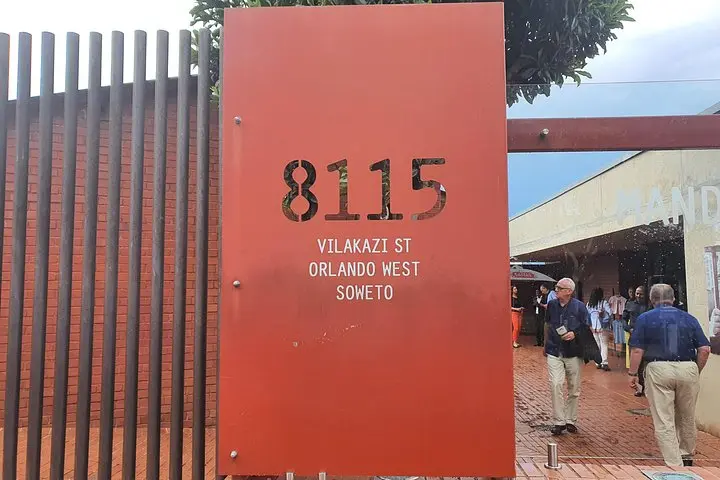
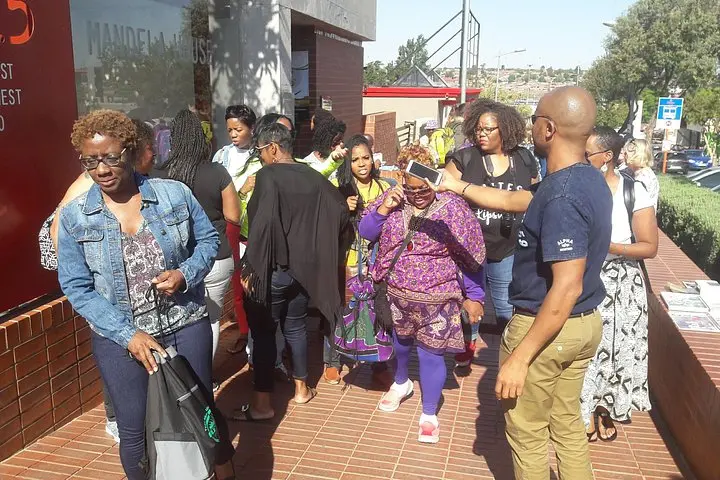
At the Apartheid Museum the galleries are quiet but exacting — photographs, signage, and film rooms map a system engineered by law and enforced by force. The narrative then moves outward to Soweto, where narrow streets and corrugated roofs tell a different chronology: student protests, resilient community networks, and homes that became stages for national change. Visitors pass the Hector Pieterson Memorial and pause at Vilakazi Street to see Mandela’s former home — small rooms that contrast sharply with the weight of the history they hold.
Geology and economy explain the place: the Witwatersrand gold reef under Johannesburg spurred rapid urban growth and the segregated labor patterns that shaped townships. Cultural notes surface in everyday details — township shebeens, township choirs, and community murals that keep memory moving forward.
Practical guidance: this is a long, mostly low-impact day (about 8 hours). Expect walking on paved and uneven surfaces; bring a refillable water bottle, sun protection, and comfortable shoes. The museum entrance is included; public restrooms and food stalls are available but bring small notes for purchases. Be prepared to listen as much as look — guides frame sensitive history with context and care. Plan for morning pickup and a return by late afternoon, and allow time afterward to process what you've seen.
Yes—museum admission is included in the tour price, and the guide times the visit to avoid peak crowds when possible.
Yes—the itinerary typically includes a stop at Mandela’s former residence on Vilakazi Street; entry may be external or internal depending on timing and queue.
The tour is family-friendly but covers difficult historical topics; parents should prepare children for sensitive material and the amount of walking.
Tipping is customary for good service in South Africa; 10–15% for guides and a smaller amount for drivers is a common guideline.
Rent a Tour and Safaris operates guided outdoor trips and adventures with an emphasis on safety, stewardship, and memorable experiences.
The day begins with the car easing onto a broad Johannesburg avenue and the city folding open: industrial edges give way to low, vibrant township streets where informal stalls sell fried dough and bright beaded crafts.
The day begins with the car easing onto a broad Johannesburg avenue and the city folding open: industrial edges give way to low, vibrant township streets where informal stalls sell fried dough and bright beaded crafts.
At the Apartheid Museum the galleries are quiet but exacting — photographs, signage, and film rooms map a system engineered by law and enforced by force. The narrative then moves outward to Soweto, where narrow streets and corrugated roofs tell a different chronology: student protests, resilient community networks, and homes that became stages for national change. Visitors pass the Hector Pieterson Memorial and pause at Vilakazi Street to see Mandela’s former home — small rooms that contrast sharply with the weight of the history they hold.
Geology and economy explain the place: the Witwatersrand gold reef under Johannesburg spurred rapid urban growth and the segregated labor patterns that shaped townships. Cultural notes surface in everyday details — township shebeens, township choirs, and community murals that keep memory moving forward.
Practical guidance: this is a long, mostly low-impact day (about 8 hours). Expect walking on paved and uneven surfaces; bring a refillable water bottle, sun protection, and comfortable shoes. The museum entrance is included; public restrooms and food stalls are available but bring small notes for purchases. Be prepared to listen as much as look — guides frame sensitive history with context and care. Plan for morning pickup and a return by late afternoon, and allow time afterward to process what you've seen.