THE ADVENTURE COLLECTIVE® · Independent discovery and booking for outdoor travel

Spend a day tracing Arusha’s streets—from the Tanzanite Experience to Shanga’s recycled crafts and the bustling Maasai Market. This full-day tour blends cultural insight with accessible walking and private transport.
Spend a day tracing Arusha’s streets—from the Tanzanite Experience to Shanga’s recycled crafts and the bustling Maasai Market. This full-day tour blends cultural insight with accessible walking and private transport.
Morning in Arusha begins with the hum of dala-dalas and tuk-tuks threading between low hills and jacaranda-lined streets. On a full-day city tour, the city reveals itself in short, crystalline moments: a market stall negotiating over Maasai beads, sunlight catching a raw tanzanite in the Tanzanite Experience, and artisans at Shanga assembling recycled glass into jewelry. The day moves at ground level—walking, talking, and watching daily life unfold.
Verified experiences and guided adventures in the surrounding area.
Operated by VISION SAFARI & TOURS · Arusha, Arusha Region
Morning in Arusha begins with the hum of dala-dalas and tuk-tuks threading between low hills and jacaranda-lined streets. On a full-day city tour, the city reveals itself in short, crystalline moments: a market stall negotiating over Maasai beads, sunlight catching a raw tanzanite in the Tanzanite Experience, and artisans at Shanga assembling recycled glass into jewelry. The day moves at ground level—walking, talking, and watching daily life unfold.
Arusha grew from a caravan crossroads into a regional administrative center and later became known for the 1967 Arusha Declaration shaping Tanzania’s post-independence politics. Geologically, the town sits beneath the eastern escarpment of the East African Rift; views of Mount Meru frame the skyline and hint at the volcanic processes that define the region.
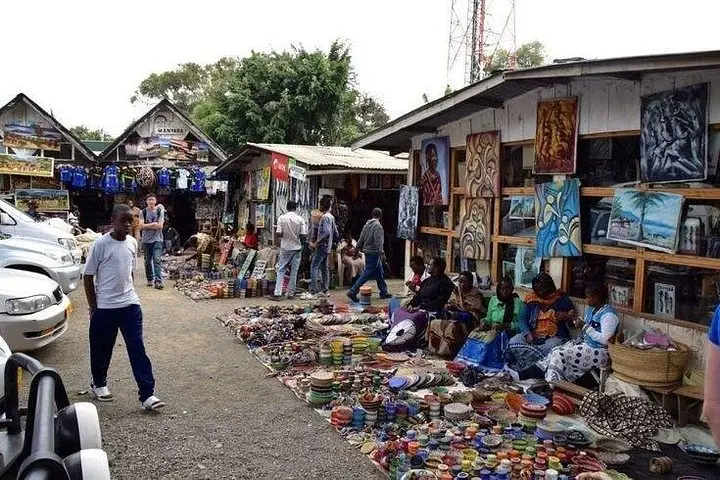
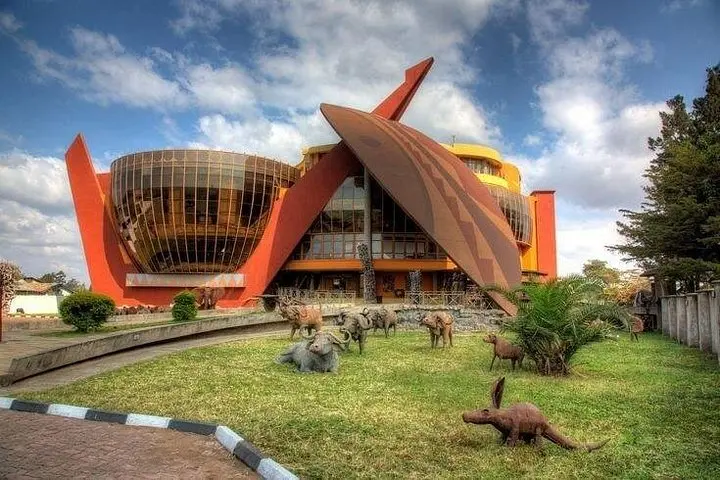
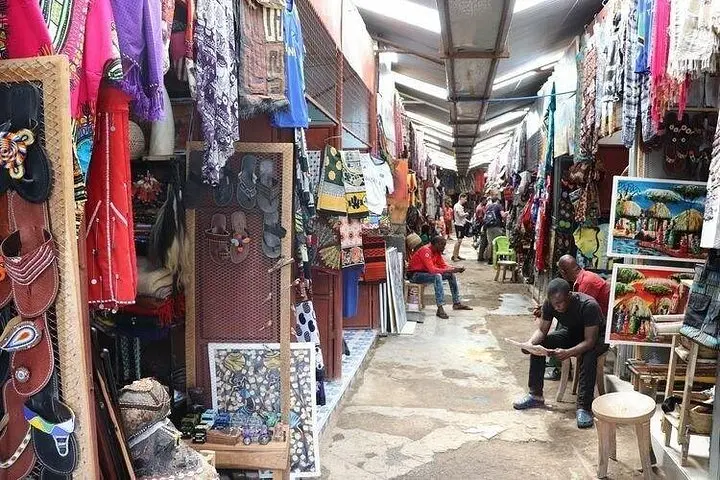
Cultural stops focus on craft, conservation and history: the Cultural Heritage Centre’s woodcarving and gemstones, Shanga’s social enterprise workshops, the National History Museum’s natural-history displays, and a bustling Maasai Market where handmade beadwork and textiles trade hands. Each stop is as much about meeting people as seeing objects—guides translate technique into context.
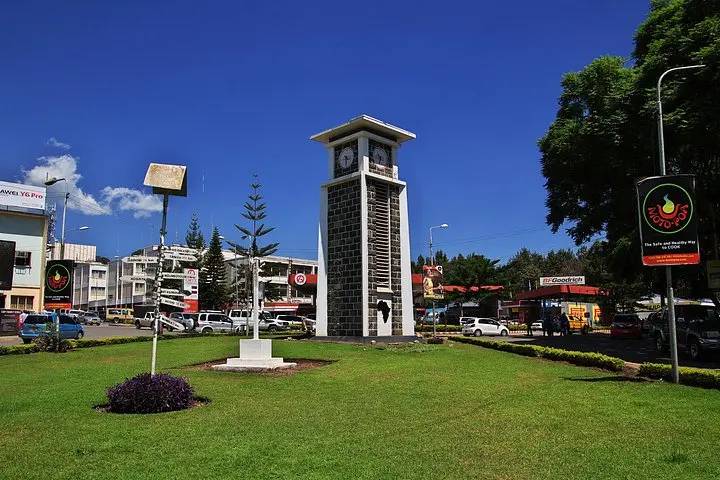
Practical guidance: expect 5–8 hours on foot with short transfers between sites, comfortable shoes, sun protection, and cash for market purchases. Bring a camera and patience for bargaining. Lunch is usually included but verify if alcoholic drinks are extra. Early starts avoid midday heat; afternoons give softer light for photographs and rooftop views near the Clock Tower.
This tour suits travelers wanting a compact, walkable introduction to northern Tanzania’s cultural landscape before heading to nearby parks or Kilimanjaro routes.
Yes — private transportation between sites is included as part of the tour.
Entrance fees are included; a local lunch is typically provided but alcoholic drinks are usually extra.
Yes — the itinerary notes stroller accessibility, though some market areas may be crowded and uneven.
Booking is recommended to secure group entry times, but the tour operator coordinates visits as part of the private itinerary.
VISION SAFARI & TOURS operates guided outdoor trips and adventures with an emphasis on safety, stewardship, and memorable experiences.
Morning in Arusha begins with the hum of dala-dalas and tuk-tuks threading between low hills and jacaranda-lined streets. On a full-day city tour, the city reveals itself in short, crystalline moments: a market stall negotiating over Maasai beads, sunlight catching a raw tanzanite in the Tanzanite Experience, and artisans at Shanga assembling recycled glass into jewelry. The day moves at ground level—walking, talking, and watching daily life unfold.
Morning in Arusha begins with the hum of dala-dalas and tuk-tuks threading between low hills and jacaranda-lined streets. On a full-day city tour, the city reveals itself in short, crystalline moments: a market stall negotiating over Maasai beads, sunlight catching a raw tanzanite in the Tanzanite Experience, and artisans at Shanga assembling recycled glass into jewelry. The day moves at ground level—walking, talking, and watching daily life unfold.
Arusha grew from a caravan crossroads into a regional administrative center and later became known for the 1967 Arusha Declaration shaping Tanzania’s post-independence politics. Geologically, the town sits beneath the eastern escarpment of the East African Rift; views of Mount Meru frame the skyline and hint at the volcanic processes that define the region.
Cultural stops focus on craft, conservation and history: the Cultural Heritage Centre’s woodcarving and gemstones, Shanga’s social enterprise workshops, the National History Museum’s natural-history displays, and a bustling Maasai Market where handmade beadwork and textiles trade hands. Each stop is as much about meeting people as seeing objects—guides translate technique into context.
Practical guidance: expect 5–8 hours on foot with short transfers between sites, comfortable shoes, sun protection, and cash for market purchases. Bring a camera and patience for bargaining. Lunch is usually included but verify if alcoholic drinks are extra. Early starts avoid midday heat; afternoons give softer light for photographs and rooftop views near the Clock Tower.
This tour suits travelers wanting a compact, walkable introduction to northern Tanzania’s cultural landscape before heading to nearby parks or Kilimanjaro routes.