THE ADVENTURE COLLECTIVE® · Independent discovery and booking for outdoor travel

Spend a focused day in Aswan exploring the engineering scale of the High Dam, the relocated grandeur of Philae Temple, and the living culture of a Nubian village. This private tour combines river travel, archaeology and cultural immersion in about five hours.
Spend a focused day in Aswan exploring the engineering scale of the High Dam, the relocated grandeur of Philae Temple, and the living culture of a Nubian village. This private tour combines river travel, archaeology and cultural immersion in about five hours.
The morning air in Aswan is dry and bright; the Nile shimmers like a ribbon of mercury and the High Dam rises across the horizon, a low, engineered mountain holding back centuries of river memory.
Verified experiences and guided adventures in the surrounding area.
Operated by CRUISE ERA · Aswan, Aswan Governorate
The morning air in Aswan is dry and bright; the Nile shimmers like a ribbon of mercury and the High Dam rises across the horizon, a low, engineered mountain holding back centuries of river memory.
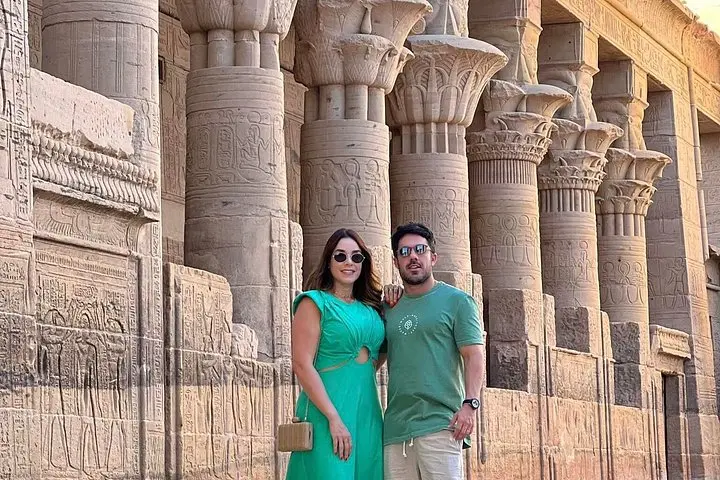
Your day begins with the dam—an immense concrete spine more than 3.6 km long and 111 m high—that remade Upper Egypt’s landscape and created Lake Nasser. From there a private motorboat slips you across calm backwaters to Philae’s island temples. The Ptolemaic columns, hieroglyphs and the Temple of Isis feel oddly modern for their age: they were disassembled and moved during UNESCO-led efforts in the 1960s to save them from inundation caused by the dam.
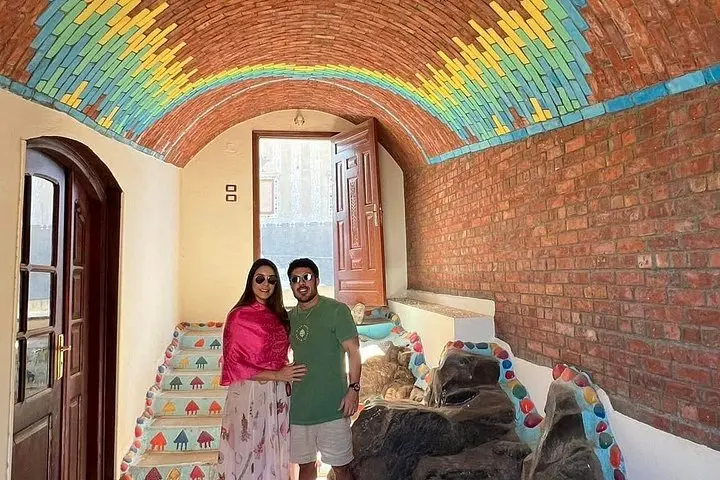
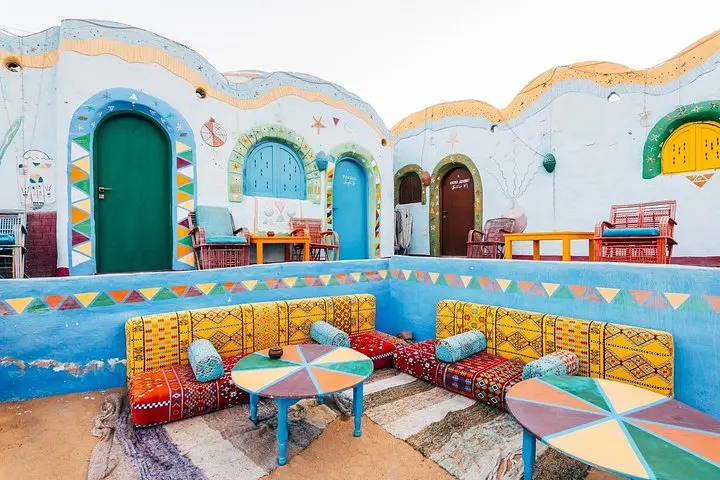
After the temple, the ride ends at a Nubian village where color, palms and community rhythms refocus the day. Nubian houses painted in bright patterns, small craft stalls and a short camel ride offer a hands-on glimpse of a culture shaped by the Nile and by relocation in the 20th century. Expect conversations with local hosts about pottery, weaving and palm-fiber agriculture that sustain riverine life.
Practicalities: the itinerary runs about five hours with private transfers and hotel/Nile cruise pickup. Temperatures can climb—carry at least 1.5 L water, sun protection, and a light scarf for temple and village visits where modest dress is appreciated. Footing varies from paved temple ramps to sandy village lanes; comfortable closed-toe shoes make moving between sites easy. Bring cash for small purchases and a camera with a charged battery—the light on the Nile is relentless and generous.
Yes—private pickup and drop-off from Aswan hotels and Nile cruise boats are included in this tour.
Yes; admissions for Philae, the Nubian village and the motorboat transfers listed in the itinerary are included.
The tour notes wheelchair-accessible transfers, but access at some temple areas and village lanes may be limited—contact the operator to confirm accommodations.
Cooler months from October to April offer more comfortable temperatures for touring; summer can be very hot and sunny.
CRUISE ERA operates guided outdoor trips and adventures with an emphasis on safety, stewardship, and memorable experiences.
The morning air in Aswan is dry and bright; the Nile shimmers like a ribbon of mercury and the High Dam rises across the horizon, a low, engineered mountain holding back centuries of river memory.
The morning air in Aswan is dry and bright; the Nile shimmers like a ribbon of mercury and the High Dam rises across the horizon, a low, engineered mountain holding back centuries of river memory.
Your day begins with the dam—an immense concrete spine more than 3.6 km long and 111 m high—that remade Upper Egypt’s landscape and created Lake Nasser. From there a private motorboat slips you across calm backwaters to Philae’s island temples. The Ptolemaic columns, hieroglyphs and the Temple of Isis feel oddly modern for their age: they were disassembled and moved during UNESCO-led efforts in the 1960s to save them from inundation caused by the dam.
After the temple, the ride ends at a Nubian village where color, palms and community rhythms refocus the day. Nubian houses painted in bright patterns, small craft stalls and a short camel ride offer a hands-on glimpse of a culture shaped by the Nile and by relocation in the 20th century. Expect conversations with local hosts about pottery, weaving and palm-fiber agriculture that sustain riverine life.
Practicalities: the itinerary runs about five hours with private transfers and hotel/Nile cruise pickup. Temperatures can climb—carry at least 1.5 L water, sun protection, and a light scarf for temple and village visits where modest dress is appreciated. Footing varies from paved temple ramps to sandy village lanes; comfortable closed-toe shoes make moving between sites easy. Bring cash for small purchases and a camera with a charged battery—the light on the Nile is relentless and generous.