THE ADVENTURE COLLECTIVE® · Independent discovery and booking for outdoor travel

Escape Marrakech for a day and follow a ribbon of road into the High Atlas. This full-day tour links four distinct valleys—Ourika, Imlil, Asni and Tahanout—mixing short guided walks, waterfalls, Berber hospitality and clear views of Mount Toubkal.
Escape Marrakech for a day and follow a ribbon of road into the High Atlas. This full-day tour links four distinct valleys—Ourika, Imlil, Asni and Tahanout—mixing short guided walks, waterfalls, Berber hospitality and clear views of Mount Toubkal.
The sun lifts off Marrakech’s ochre roofs as a minivan threads out toward the high peaks—olive terraces, adobe villages and a cooler wind that seems to push travelers onward.
Verified experiences and guided adventures in the surrounding area.
Operated by Berber Adventure Day Tours · Marrakech, Marrakech-Safi
The sun lifts off Marrakech’s ochre roofs as a minivan threads out toward the high peaks—olive terraces, adobe villages and a cooler wind that seems to push travelers onward.
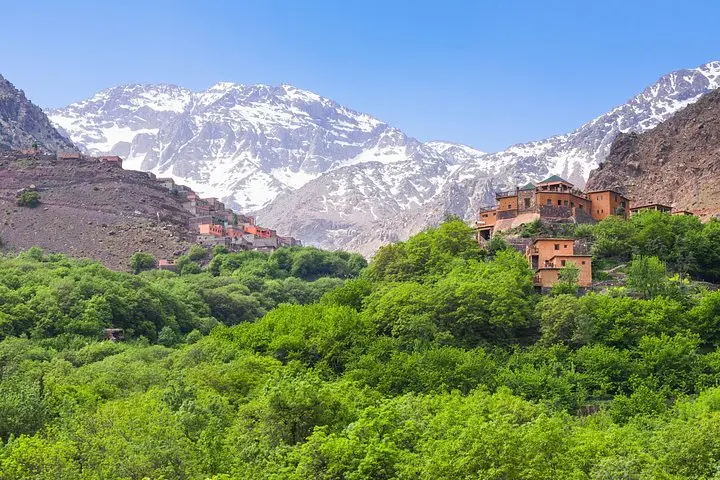
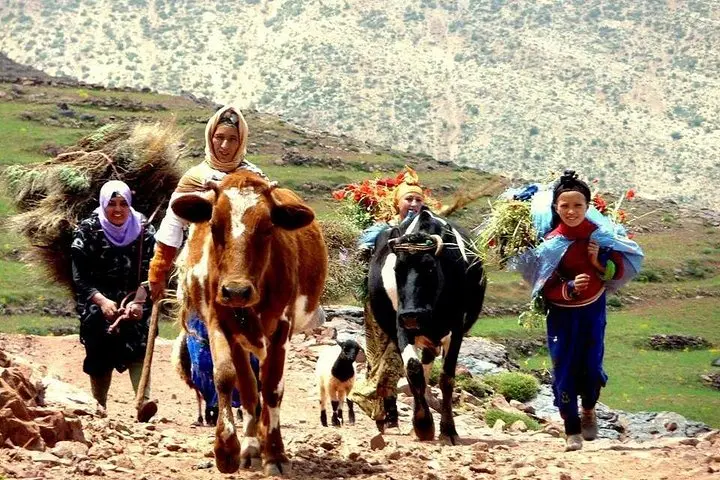
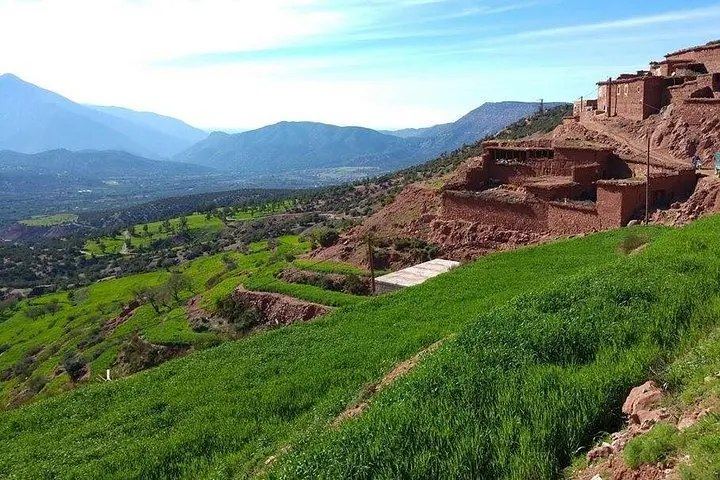
On this full-day loop the road climbs into the High Atlas, offering changing geology: folded limestone ridges give way to volcanic outcrops and scree beneath the region’s highest summits. Guides point out terraced fields and century-old irrigation channels while explaining Amazigh (Berber) life—stone and mud homes, argan presses and seasonal fruit orchards that shape local rhythms.
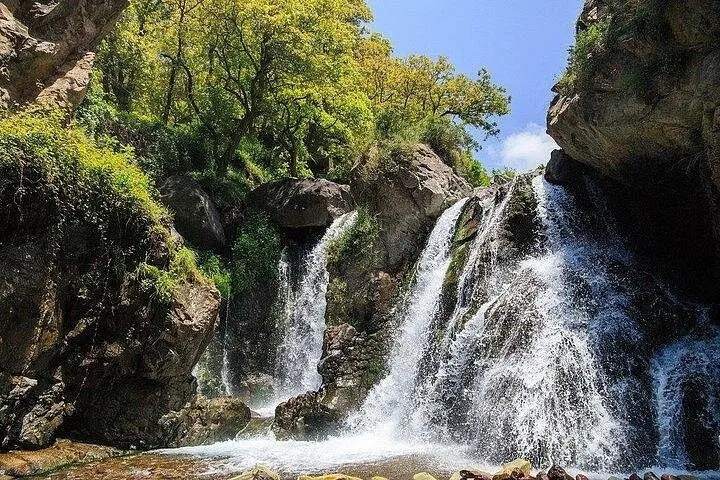
Expect short guided walks (about 60–90 minutes in a couple of valleys) alongside waterfalls in Ourika and upland pastures near Asni and Imlil, with clear views of Jebel Toubkal, North Africa’s highest peak (4,167 m / 13,665 ft). Camels appear in valley bottoms as a playful contrast to the mountain terrain, and tea in a family house offers a cultural pause that’s as instructive as it is restorative.
Practically, this is a day for layers and sensible footwear: temperatures vary with elevation and shade is limited on exposed ridge roads. The route suits anyone in reasonable health; altitude is moderate but can amplify exertion. Bring cash for small purchases, a camera, sun protection and a sense of patience—the itinerary balances scenery with cultural stops, and the pace depends on road conditions and local interactions. Finish the day back in Marrakech with fresh perspectives on mountain life and landscapes that have quietly shaped Morocco’s interior for millennia.
The tour is approximately 7 hours (420 minutes); most departures return to Marrakech mid-to-late afternoon, around 5:00 PM depending on traffic and stops.
Walks are short to moderate (about 1–1.5 hours in some valleys) on uneven village paths and mild mountain trails; no technical climbing is required.
Yes—bottled water, tea, and a traditional lunch in a Berber house are included in the tour price as listed.
Guides provided on this tour are English-speaking local guides familiar with the valleys, culture and mountain safety; they typically operate with local licensing and experience.
Berber Adventure Day Tours operates guided outdoor trips and adventures with an emphasis on safety, stewardship, and memorable experiences.
The sun lifts off Marrakech’s ochre roofs as a minivan threads out toward the high peaks—olive terraces, adobe villages and a cooler wind that seems to push travelers onward.
The sun lifts off Marrakech’s ochre roofs as a minivan threads out toward the high peaks—olive terraces, adobe villages and a cooler wind that seems to push travelers onward.
On this full-day loop the road climbs into the High Atlas, offering changing geology: folded limestone ridges give way to volcanic outcrops and scree beneath the region’s highest summits. Guides point out terraced fields and century-old irrigation channels while explaining Amazigh (Berber) life—stone and mud homes, argan presses and seasonal fruit orchards that shape local rhythms.
Expect short guided walks (about 60–90 minutes in a couple of valleys) alongside waterfalls in Ourika and upland pastures near Asni and Imlil, with clear views of Jebel Toubkal, North Africa’s highest peak (4,167 m / 13,665 ft). Camels appear in valley bottoms as a playful contrast to the mountain terrain, and tea in a family house offers a cultural pause that’s as instructive as it is restorative.
Practically, this is a day for layers and sensible footwear: temperatures vary with elevation and shade is limited on exposed ridge roads. The route suits anyone in reasonable health; altitude is moderate but can amplify exertion. Bring cash for small purchases, a camera, sun protection and a sense of patience—the itinerary balances scenery with cultural stops, and the pace depends on road conditions and local interactions. Finish the day back in Marrakech with fresh perspectives on mountain life and landscapes that have quietly shaped Morocco’s interior for millennia.