THE ADVENTURE COLLECTIVE® · Independent discovery and booking for outdoor travel

A demanding but rewarding high-altitude day trek from Cusco to seven Ausangate lagoons, combining Andean culture, glacial landscapes, and a soak in Pacchanta hot springs. Ideal for acclimatized hikers ready for long hours at 4,200+m.
A demanding but rewarding high-altitude day trek from Cusco to seven Ausangate lagoons, combining Andean culture, glacial landscapes, and a soak in Pacchanta hot springs. Ideal for acclimatized hikers ready for long hours at 4,200+m.
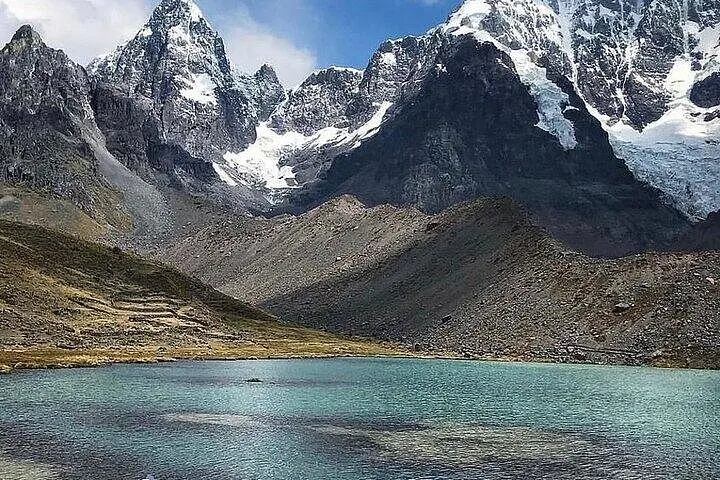
A thin air stings the first steps out of the van as the Andes open into a basin of steel-blue lakes and wind-swept puna. You stand at roughly 4,200 m in the Pacchanta valley, with Ausangate’s ridgeline watching like an old guardian; seven high-altitude lagoons lie along a rolling 10–11 km footpath that threads between rocky moraines and fragile wetlands.
Verified experiences and guided adventures in the surrounding area.
Operated by Chullos Travel Peru · Pacchanta (Ausangate area), Cusco Region
A thin air stings the first steps out of the van as the Andes open into a basin of steel-blue lakes and wind-swept puna. You stand at roughly 4,200 m in the Pacchanta valley, with Ausangate’s ridgeline watching like an old guardian; seven high-altitude lagoons lie along a rolling 10–11 km footpath that threads between rocky moraines and fragile wetlands.
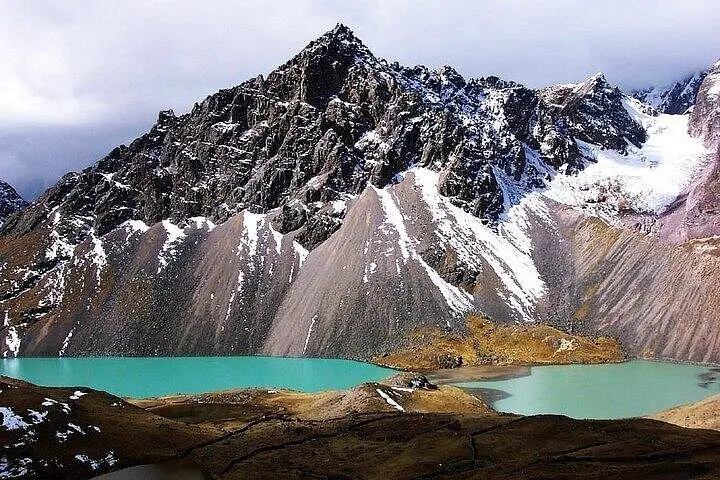
This route follows paths used for centuries by Quechua herders. Ausangate is one of the region’s sacred apus—mountain spirits—and the coca leaf ceremony performed here ties the trek to living Andean belief and reciprocity with the land. Geologically the area is glacial: polished cirques, moraine dams that hold the lagoons, and mineral-rich soils that tint some lakes deep turquoise or green.
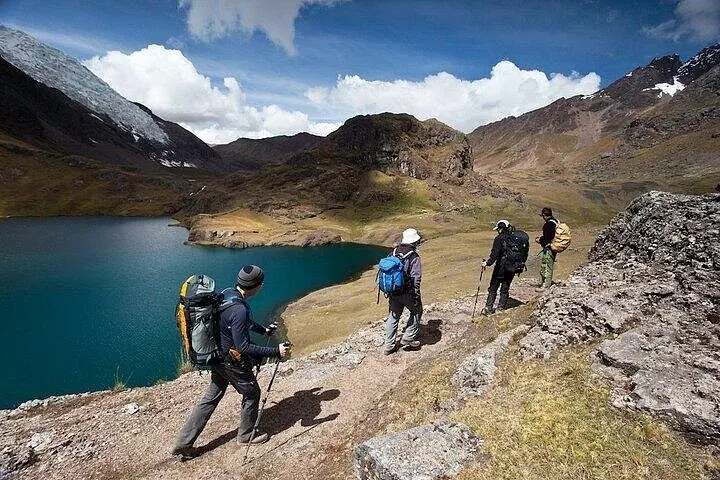
Expect high puna grasslands, grazing vicuñas, and sharp wind that gives the lakes personality—some calm, some driven by a current of air that seems to push you forward. The walk itself is a steady high-altitude hike: an initial 5–6 km approach then about 10 km total on uneven, rocky trail with short steeper sections.
Practical: acclimatize in Cusco (2–3 days if possible), carry layered clothing for sun and wind, and allow a measured pace—altitude, not distance, is the challenge. The tour includes breakfast, lunch, private transport, a guide, and a hot-spring soak in Pacchanta to ease tired muscles. Leave no trace, drink frequently, and be ready to swap stories with local guides during the coca ritual—this is trekking with cultural context as much as scenery.
Trails are non-technical but rocky and uneven; expect steady climbs and descents at high altitude—good stamina and careful footing required.
Most tours include the Pacchanta hot springs, but bring small cash in case of local fees, snacks, or tipping guides.
Yes—participation is voluntary; the guide will explain the ritual and invite guests to join for cultural context.
Moderate to high without acclimatization; symptoms can appear even for fit hikers—take time in Cusco, hydrate, and inform the guide of any concerns.
Chullos Travel Peru operates guided outdoor trips and adventures with an emphasis on safety, stewardship, and memorable experiences.
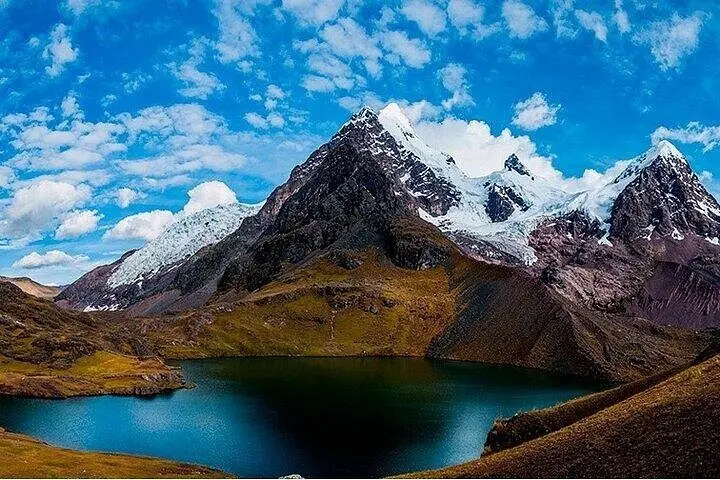
A thin air stings the first steps out of the van as the Andes open into a basin of steel-blue lakes and wind-swept puna. You stand at roughly 4,200 m in the Pacchanta valley, with Ausangate’s ridgeline watching like an old guardian; seven high-altitude lagoons lie along a rolling 10–11 km footpath that threads between rocky moraines and fragile wetlands.
A thin air stings the first steps out of the van as the Andes open into a basin of steel-blue lakes and wind-swept puna. You stand at roughly 4,200 m in the Pacchanta valley, with Ausangate’s ridgeline watching like an old guardian; seven high-altitude lagoons lie along a rolling 10–11 km footpath that threads between rocky moraines and fragile wetlands.
This route follows paths used for centuries by Quechua herders. Ausangate is one of the region’s sacred apus—mountain spirits—and the coca leaf ceremony performed here ties the trek to living Andean belief and reciprocity with the land. Geologically the area is glacial: polished cirques, moraine dams that hold the lagoons, and mineral-rich soils that tint some lakes deep turquoise or green.
Expect high puna grasslands, grazing vicuñas, and sharp wind that gives the lakes personality—some calm, some driven by a current of air that seems to push you forward. The walk itself is a steady high-altitude hike: an initial 5–6 km approach then about 10 km total on uneven, rocky trail with short steeper sections.
Practical: acclimatize in Cusco (2–3 days if possible), carry layered clothing for sun and wind, and allow a measured pace—altitude, not distance, is the challenge. The tour includes breakfast, lunch, private transport, a guide, and a hot-spring soak in Pacchanta to ease tired muscles. Leave no trace, drink frequently, and be ready to swap stories with local guides during the coca ritual—this is trekking with cultural context as much as scenery.