THE ADVENTURE COLLECTIVE® · Independent discovery and booking for outdoor travel

A full-day private drive from Varanasi delivers a focused look at Ayodhya’s religious landmarks: Ram Janmabhoomi, hilltop Hanuman Garhi, Kanak Bhawan, and the Saryu river ghats. This practical guide covers what to expect, cultural etiquette, and timing for a smooth pilgrimage day.
A full-day private drive from Varanasi delivers a focused look at Ayodhya’s religious landmarks: Ram Janmabhoomi, hilltop Hanuman Garhi, Kanak Bhawan, and the Saryu river ghats. This practical guide covers what to expect, cultural etiquette, and timing for a smooth pilgrimage day.
You roll out of Varanasi before dawn, the city’s clang and chant shrinking in the rearview as the road unfurls toward Ayodhya. Three hours of highway cut through flat Gangetic plains deliver you to a town where stone and river shape a living spiritual landscape: the Saryu murmurs at the ghats, temples climb low ridgelines, and pilgrims thread through courtyards.
Verified experiences and guided adventures in the surrounding area.
Operated by BARBIL TOURS · Ayodhya, Uttar Pradesh
You roll out of Varanasi before dawn, the city’s clang and chant shrinking in the rearview as the road unfurls toward Ayodhya. Three hours of highway cut through flat Gangetic plains deliver you to a town where stone and river shape a living spiritual landscape: the Saryu murmurs at the ghats, temples climb low ridgelines, and pilgrims thread through courtyards.
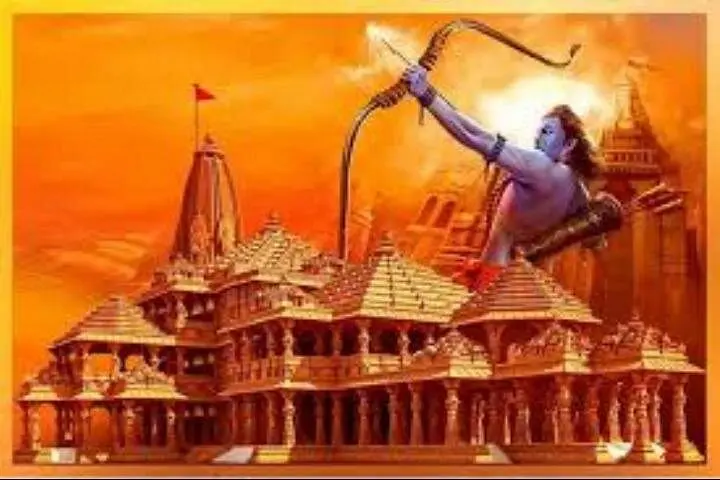
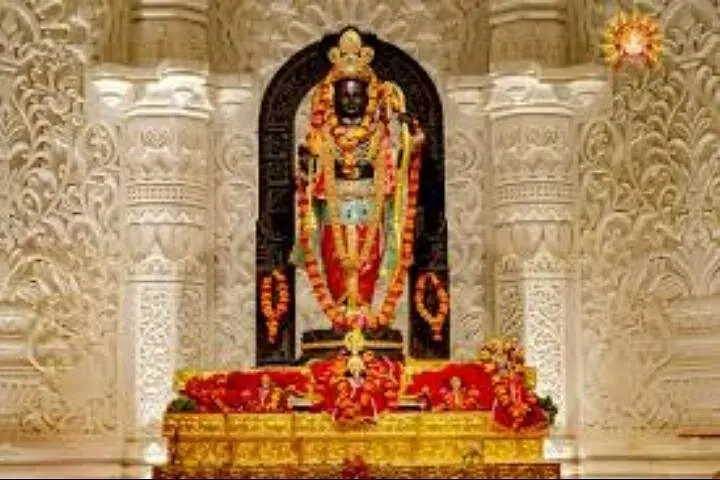
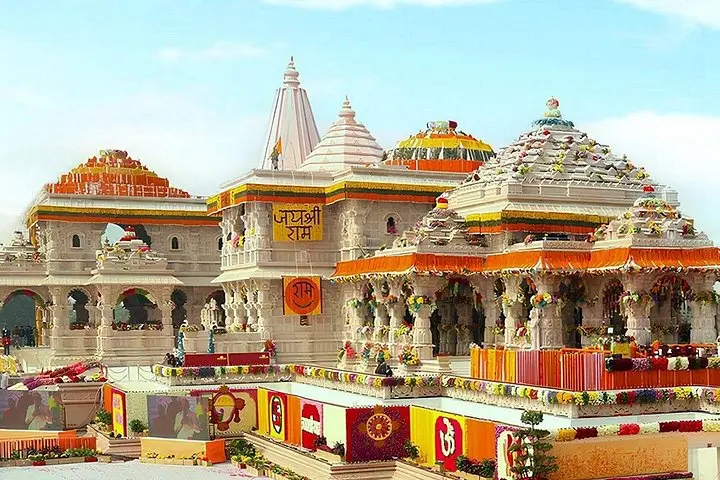
Ayodhya’s story is ancient and contested. Identified in epic literature as Lord Rama’s birthplace, the modern site centers on the Ram Janmabhoomi complex — a focal point of recent legal and political history following the Babri Masjid demolition and the Supreme Court’s ruling that enabled reconstruction. Geologically the area is alluvial plain; the river’s slow meander has long supported settlement, agriculture, and pilgrimage routes. Culturally, visits to Hanuman Garhi and Kanak Bhawan reveal devotional practices, intricate temple carvings, and murals illustrating the Ramayana.
On foot you’ll climb Hanuman Garhi’s hill for a wide view, stroll Kanak Bhawan’s prayer halls to see floral stonework, and pace the Saryu ghats where boats bob and morning rituals give the river a commanding presence. Expect modest walking, many removed-shoe moments, and crowds around key shrines.
Practical guidance: dress conservatively, plan for heat and sun, carry small-denomination cash for offerings, and keep ID for any guided access. The included private AC transport and bottled water make the long day manageable; allow 10–12 hours for round-trip travel plus site time. Respect local customs, remove footwear at temple thresholds, and leave no trace at the ghats.
The tour schedules approximately a 3-hour one-way drive under normal traffic, with total round-trip transit included in the full-day itinerary.
This private tour covers transportation and parking; most temples are free to enter but special access areas or donations may require small fees paid locally.
Yes — the itinerary notes it is family-friendly with minimal walking; vehicles have air conditioning and stops are paced for comfort.
Photography rules vary by shrine — many inner sanctums restrict flashes or cameras, so follow posted signs and temple staff instructions.
BARBIL TOURS operates guided outdoor trips and adventures with an emphasis on safety, stewardship, and memorable experiences.
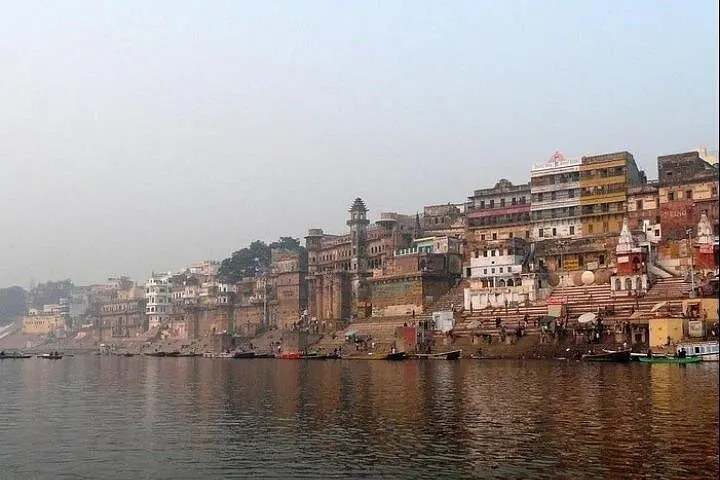
You roll out of Varanasi before dawn, the city’s clang and chant shrinking in the rearview as the road unfurls toward Ayodhya. Three hours of highway cut through flat Gangetic plains deliver you to a town where stone and river shape a living spiritual landscape: the Saryu murmurs at the ghats, temples climb low ridgelines, and pilgrims thread through courtyards.
You roll out of Varanasi before dawn, the city’s clang and chant shrinking in the rearview as the road unfurls toward Ayodhya. Three hours of highway cut through flat Gangetic plains deliver you to a town where stone and river shape a living spiritual landscape: the Saryu murmurs at the ghats, temples climb low ridgelines, and pilgrims thread through courtyards.
Ayodhya’s story is ancient and contested. Identified in epic literature as Lord Rama’s birthplace, the modern site centers on the Ram Janmabhoomi complex — a focal point of recent legal and political history following the Babri Masjid demolition and the Supreme Court’s ruling that enabled reconstruction. Geologically the area is alluvial plain; the river’s slow meander has long supported settlement, agriculture, and pilgrimage routes. Culturally, visits to Hanuman Garhi and Kanak Bhawan reveal devotional practices, intricate temple carvings, and murals illustrating the Ramayana.
On foot you’ll climb Hanuman Garhi’s hill for a wide view, stroll Kanak Bhawan’s prayer halls to see floral stonework, and pace the Saryu ghats where boats bob and morning rituals give the river a commanding presence. Expect modest walking, many removed-shoe moments, and crowds around key shrines.
Practical guidance: dress conservatively, plan for heat and sun, carry small-denomination cash for offerings, and keep ID for any guided access. The included private AC transport and bottled water make the long day manageable; allow 10–12 hours for round-trip travel plus site time. Respect local customs, remove footwear at temple thresholds, and leave no trace at the ghats.