THE ADVENTURE COLLECTIVE® · Independent discovery and booking for outdoor travel

Explore Roman Heliopolis and the last stands of Lebanon’s ancient cedars on a single full-day trip from Beirut. This small-group tour pairs monumental ruins with monastery-fringed valleys and a local lunch.
Explore Roman Heliopolis and the last stands of Lebanon’s ancient cedars on a single full-day trip from Beirut. This small-group tour pairs monumental ruins with monastery-fringed valleys and a local lunch.
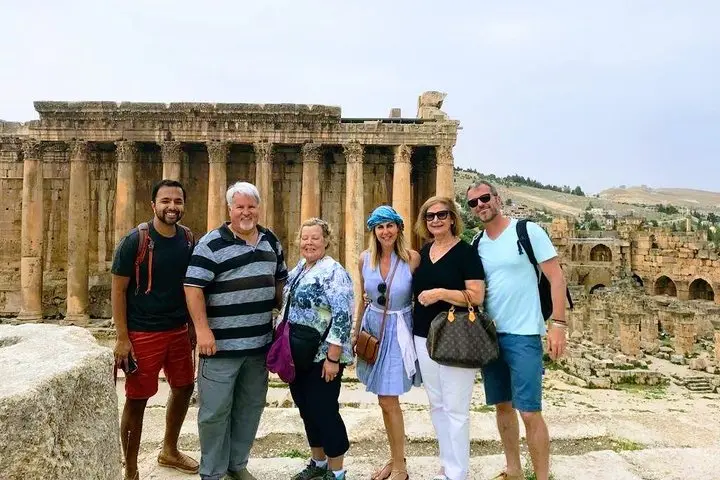
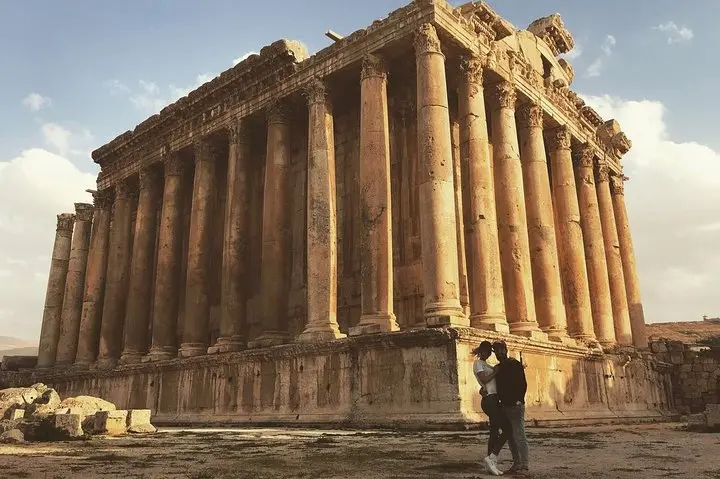
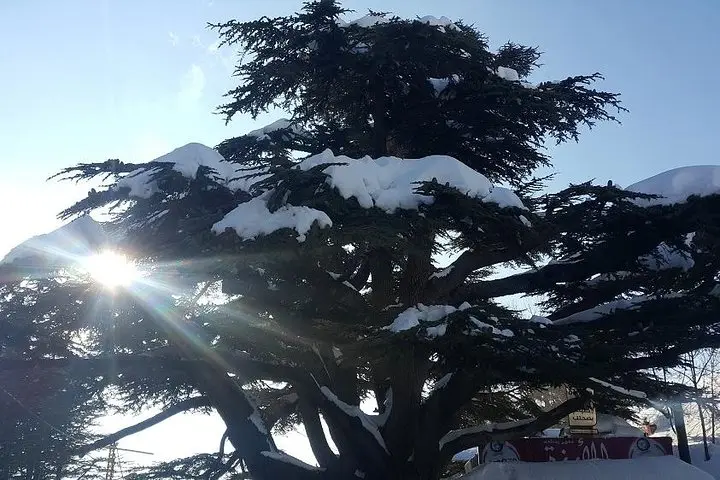
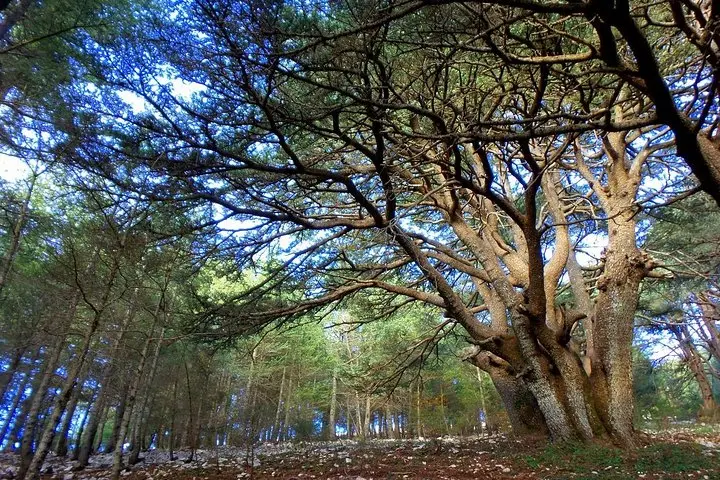
Morning light slices across the Bekaa plain as an air-conditioned van climbs toward the ruined colonnades of Baalbek. The city's hulking Roman stones keep a low, ancient gravity; wind threads through fallen capitals and pushes you from one massive ruin to the next. Later the road narrows and climbs into pine-scented hills where the Cedars of God stand old and rigid, trunks like quiet witnesses against the sky. In the valley below, Qozhaya's monastery perches among orchards and terraces, its stonework answering centuries of hermit dwellings.
Verified experiences and guided adventures in the surrounding area.
Operated by Beirut Daily Tours · Baalbek, Baalbek-Hermel Governorate
Morning light slices across the Bekaa plain as an air-conditioned van climbs toward the ruined colonnades of Baalbek. The city's hulking Roman stones keep a low, ancient gravity; wind threads through fallen capitals and pushes you from one massive ruin to the next. Later the road narrows and climbs into pine-scented hills where the Cedars of God stand old and rigid, trunks like quiet witnesses against the sky. In the valley below, Qozhaya's monastery perches among orchards and terraces, its stonework answering centuries of hermit dwellings.
This single-day route stitches together layers of Lebanese history: Phoenician and Roman sanctuaries in Baalbek, early-Christian monasticism in the Qadisha Valley, and the remnant of ancient cedar forests famed in antiquity and scripture. Geologically, the Bekaa sits in a rift valley that collected fertile alluvium, while the higher limestone slopes around Bcharre create the steep valleys monks used for refuge.
Expect easy, mostly flat walking in ruined temples and short uphill approaches at the cedar reserve and monastery. The tour includes a local lunch and entrance fees, and the guide will time photo stops for the best light. Bring sun protection, comfortable shoes, and a light layer for mountain breezes. Hydrate on the road and allow time for narrow village streets during pickup and drop-off from Beirut. The day moves at a measured pace—history and landscape alternating like chapters—leaving space for photos, short walks, and taking in the scale of sites that shaped the eastern Mediterranean.
Yes — the tour includes entrance fees to the Cedars forest and access to Baalbek temple area as described in the itinerary.
The tour runs about 8 hours and typically includes hotel pickup and drop-off in Beirut; exact pickup time is provided after booking.
The experience is described as easy and family-friendly, but some sites have uneven ground and steps; visitors with mobility concerns should check specific accessibility details with the operator.
A local lunch is included; bring a refillable water bottle for the day — the vehicle is air-conditioned between stops.
Beirut Daily Tours operates guided outdoor trips and adventures with an emphasis on safety, stewardship, and memorable experiences.
Morning light slices across the Bekaa plain as an air-conditioned van climbs toward the ruined colonnades of Baalbek. The city's hulking Roman stones keep a low, ancient gravity; wind threads through fallen capitals and pushes you from one massive ruin to the next. Later the road narrows and climbs into pine-scented hills where the Cedars of God stand old and rigid, trunks like quiet witnesses against the sky. In the valley below, Qozhaya's monastery perches among orchards and terraces, its stonework answering centuries of hermit dwellings.
Morning light slices across the Bekaa plain as an air-conditioned van climbs toward the ruined colonnades of Baalbek. The city's hulking Roman stones keep a low, ancient gravity; wind threads through fallen capitals and pushes you from one massive ruin to the next. Later the road narrows and climbs into pine-scented hills where the Cedars of God stand old and rigid, trunks like quiet witnesses against the sky. In the valley below, Qozhaya's monastery perches among orchards and terraces, its stonework answering centuries of hermit dwellings.
This single-day route stitches together layers of Lebanese history: Phoenician and Roman sanctuaries in Baalbek, early-Christian monasticism in the Qadisha Valley, and the remnant of ancient cedar forests famed in antiquity and scripture. Geologically, the Bekaa sits in a rift valley that collected fertile alluvium, while the higher limestone slopes around Bcharre create the steep valleys monks used for refuge.
Expect easy, mostly flat walking in ruined temples and short uphill approaches at the cedar reserve and monastery. The tour includes a local lunch and entrance fees, and the guide will time photo stops for the best light. Bring sun protection, comfortable shoes, and a light layer for mountain breezes. Hydrate on the road and allow time for narrow village streets during pickup and drop-off from Beirut. The day moves at a measured pace—history and landscape alternating like chapters—leaving space for photos, short walks, and taking in the scale of sites that shaped the eastern Mediterranean.