
Full-Day Bali Instagram Tour: Gates of Heaven, Rice Terraces & Waterfall Hotspots
A private, full-day circuit of Bali’s most photogenic spots—from the Gate of Heaven and Tirta Gangga pools to cave waterfalls and sweeping rice terraces. This tour balances iconic photo ops with cultural context and practical tips to help you plan the perfect day.
An Adventure In Ubud.
A private, full-day circuit of Bali’s most photogenic spots—from the Gate of Heaven and Tirta Gangga pools to cave waterfalls and sweeping rice terraces. This tour balances iconic photo ops with cultural context and practical tips to help you plan the perfect day.
Read the full experience
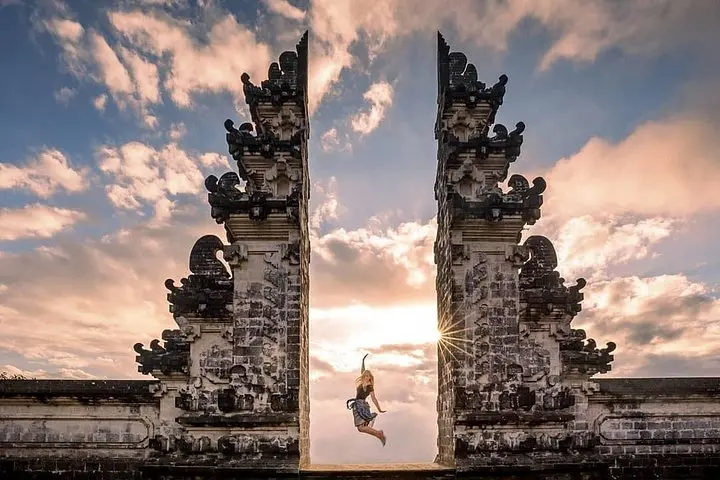
The day begins before most cafés open: your driver slips through quiet streets while mist still clings to the slopes of Mount Agung. By the time you reach the Gate of Heaven, the sky has lightened to a pale blue and the temple’s carved lintel frames Mt Agung like an intentional postcard. It’s easy to forget this is an island of working farms, ritual calendar and fierce local pride, not just a backdrop for feed-ready photos.
The day begins before most cafés open: your driver slips through quiet streets while mist still clings to the slopes of Mount Agung. By the time you reach the Gate of Heaven, the sky has lightened to a pale blue and the temple’s carved lintel frames Mt Agung like an intentional postcard. It’s easy to forget this is an island of working farms, ritual calendar and fierce local pride, not just a backdrop for feed-ready photos.
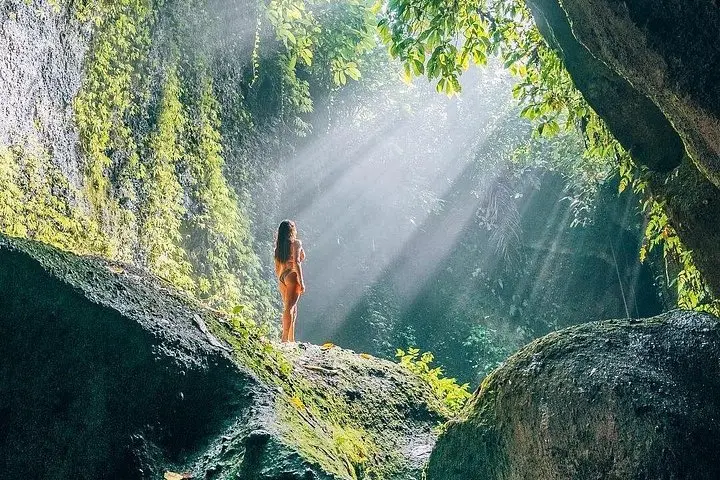
This private, full-day route stitches together eastern palaces, jungle caves, rice terraces and highland temples. Tirta Gangga’s formal pools, built by the Karangasem royal family, make a deliberate contrast with Tukad Cepung’s cathedral-like cavern where a waterfall threads light through a ring of cliff. The Jatiluwih terraces—part of Bali’s centuries-old subak irrigation system—reveal the geology beneath the rice: layered volcanic slopes shaped by eruptions and a human hand that reroutes water with patient precision.
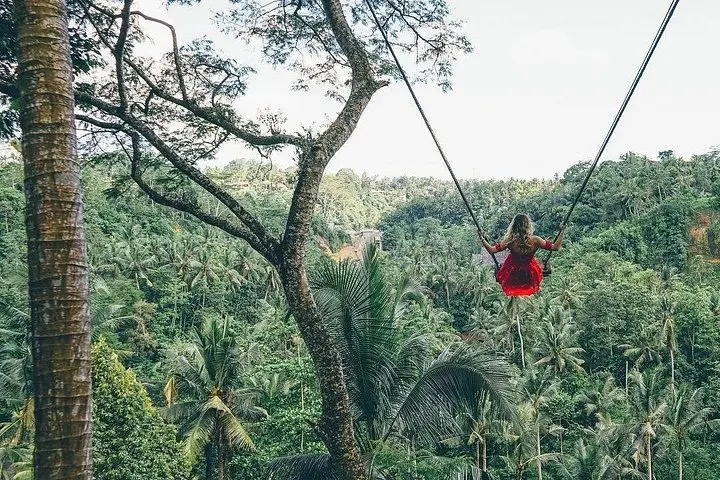
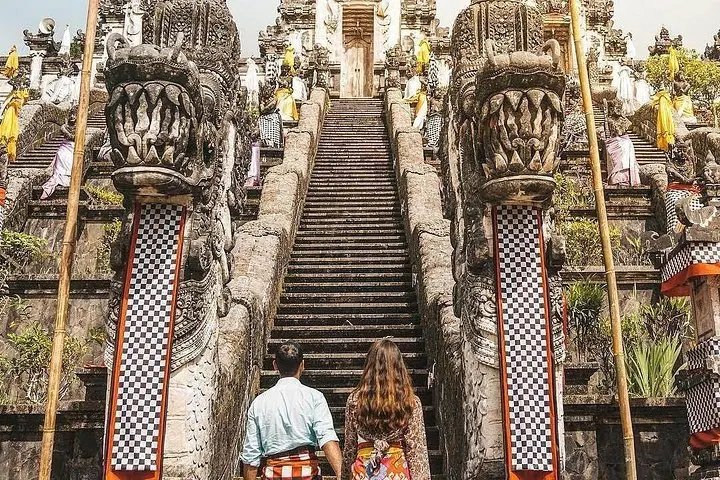
Balinese culture is present at every stop: temple offerings tucked into stone crevices, carved gates that mark thresholds between the mundane and the sacred, and the low-key commerce of roadside warungs serving kopi and nasi campur. Respect matters—temple visits often require a sarong and a quiet step. The tour’s flexible itinerary means you can prioritize sunrise photos at Lempuyang, a midday wander through Ubud’s rice fields, or a late-afternoon cliffside shot on the Bukit Peninsula.
Practicalities cut through the romance: expect a six-hour day in an air-conditioned private vehicle, with short walks and some stair sections (Lempuyang can be steep and Tukad Cepung requires descending uneven stone steps). Bring small-denomination rupiah for entrance fees and snacks; many iconic spots charge separate admission. Waterproof shoes or sandals with good grip will save you from slick rock at waterfalls, and a lightweight sarong or scarf will get you past temple dress codes.
Timing is everything—arrive early at popular gates to avoid crowds and haze, and plan waterfalls for mid-morning when light filters into canyons. If your priority is uncrowded shots, choose a customized route that skips the most touristed stops and leans into lesser-known valleys and coastal coves.
For photographers, the island’s light is mercurial: low sun and lingering humidity give color but also rapid cloud build. Keep a rain cover accessible year-round—downpours can appear on a tropical whim. Above all, treat each site with care: these are living places where ceremonies continue and ecosystems remain fragile. A sharp photo is satisfying; leaving the place better than you found it matters more.
Frequently asked questions
Yes—most temples require knees covered; bring a sarong or scarf or your guide can provide one for a small fee.
Some itineraries include tickets; check your booking—custom routes may require guests to pay entrance fees and lunch on the spot.
Pickup is offered across Kuta, Seminyak, Ubud, Nusa Dua, Sanur, Jimbaran, Canggu and Benoa Harbor—confirm your hotel when booking.
Yes—the tour is family-friendly, though parents should be prepared for stairs and uneven terrain at waterfalls and caves.
The operator may continue if sites are accessible; for a full refund cancel at least 24 hours in advance per the cancellation policy.
Many stops require steps and uneven paths; travelers with limited mobility should discuss specific access needs with the operator before booking.
About This Experience
BaliHit operates guided outdoor trips and adventures with an emphasis on safety, stewardship, and memorable experiences.
Adventure tips
Recommended gear
- Lightweight sarong or scarf: Required at most temples and useful as sun protection or a picnic blanket.
- Waterproof daypack: Keeps camera, phone and wallet dry during sudden tropical showers and at waterfall spray zones.
- Grip sandals or light hiking shoes: Protects against slick rocks and uneven trails at caves and falls.
- Mirrorless or smartphone with polarizer/ND: Helps control reflections on pools and captures long-exposure waterfall shots.
Photos of the experience
Related adventures & guides
Read the full experience
The day begins before most cafés open: your driver slips through quiet streets while mist still clings to the slopes of Mount Agung. By the time you reach the Gate of Heaven, the sky has lightened to a pale blue and the temple’s carved lintel frames Mt Agung like an intentional postcard. It’s easy to forget this is an island of working farms, ritual calendar and fierce local pride, not just a backdrop for feed-ready photos.
The day begins before most cafés open: your driver slips through quiet streets while mist still clings to the slopes of Mount Agung. By the time you reach the Gate of Heaven, the sky has lightened to a pale blue and the temple’s carved lintel frames Mt Agung like an intentional postcard. It’s easy to forget this is an island of working farms, ritual calendar and fierce local pride, not just a backdrop for feed-ready photos.
This private, full-day route stitches together eastern palaces, jungle caves, rice terraces and highland temples. Tirta Gangga’s formal pools, built by the Karangasem royal family, make a deliberate contrast with Tukad Cepung’s cathedral-like cavern where a waterfall threads light through a ring of cliff. The Jatiluwih terraces—part of Bali’s centuries-old subak irrigation system—reveal the geology beneath the rice: layered volcanic slopes shaped by eruptions and a human hand that reroutes water with patient precision.
Balinese culture is present at every stop: temple offerings tucked into stone crevices, carved gates that mark thresholds between the mundane and the sacred, and the low-key commerce of roadside warungs serving kopi and nasi campur. Respect matters—temple visits often require a sarong and a quiet step. The tour’s flexible itinerary means you can prioritize sunrise photos at Lempuyang, a midday wander through Ubud’s rice fields, or a late-afternoon cliffside shot on the Bukit Peninsula.
Practicalities cut through the romance: expect a six-hour day in an air-conditioned private vehicle, with short walks and some stair sections (Lempuyang can be steep and Tukad Cepung requires descending uneven stone steps). Bring small-denomination rupiah for entrance fees and snacks; many iconic spots charge separate admission. Waterproof shoes or sandals with good grip will save you from slick rock at waterfalls, and a lightweight sarong or scarf will get you past temple dress codes.
Timing is everything—arrive early at popular gates to avoid crowds and haze, and plan waterfalls for mid-morning when light filters into canyons. If your priority is uncrowded shots, choose a customized route that skips the most touristed stops and leans into lesser-known valleys and coastal coves.
For photographers, the island’s light is mercurial: low sun and lingering humidity give color but also rapid cloud build. Keep a rain cover accessible year-round—downpours can appear on a tropical whim. Above all, treat each site with care: these are living places where ceremonies continue and ecosystems remain fragile. A sharp photo is satisfying; leaving the place better than you found it matters more.
Make a day of it nearby.
Verified experiences and guided adventures in the surrounding area.