THE ADVENTURE COLLECTIVE® · Independent discovery and booking for outdoor travel

Spend a day combining the adrenaline of the Bali Swing with cultural stops around Ubud: Tegallalang rice terraces, the Sacred Monkey Forest, and Ubud Art Market. This practical guide explains what to expect, how to prepare, and local tips to make the most of a seven-hour day tour.
Spend a day combining the adrenaline of the Bali Swing with cultural stops around Ubud: Tegallalang rice terraces, the Sacred Monkey Forest, and Ubud Art Market. This practical guide explains what to expect, how to prepare, and local tips to make the most of a seven-hour day tour.
You arrive before mid-morning, the air warm and humid, rice terraces stepping down the valley like a green staircase and a swing frame cutting a silhouette against the sky. The Bali Swing punctures the view—a simple wooden seat and a rope, promising a rush of altitude and a broad panorama that dares you to look down.
Verified experiences and guided adventures in the surrounding area.
Operated by Bersinar Bali Tour · Ubud, Bali
You arrive before mid-morning, the air warm and humid, rice terraces stepping down the valley like a green staircase and a swing frame cutting a silhouette against the sky. The Bali Swing punctures the view—a simple wooden seat and a rope, promising a rush of altitude and a broad panorama that dares you to look down.
This route threads together Ubud’s cultural core and the island’s agricultural logic: Tegallalang’s terraces reflect centuries of stonework and the subak irrigation system, a cooperative water management practice that defines Balinese rice agriculture. The Sacred Monkey Forest Sanctuary holds ancient temple complexes where long-tailed macaques move like local residents, and the Ubud Art Market offers a tactile, local commerce that’s been central to town life for generations.
Geology here is volcanic clay and rich alluvium, shaped by Bali’s active arc of islands; the terraces follow contours cut into slopes for water retention. Culturally, you’ll pass shrines and vendors selling offerings—small daily rituals that coexist with tourism.
Practical guidance: plan for seven hours with door-to-door transfer, comfortable shoes for uneven paths and temple steps, and a small daypack for water and sunscreen. Keep valuables zipped in the Monkey Forest—macaques are curious and quick. Time visits for early morning or late afternoon light to avoid crowds and midday heat. Respect temple signs: sarongs may be required. Hydrate regularly—tropical days fatigue quickly—and bring a light rain jacket during the wet season.
This loop balances gentle exertion, photo-ready thrills, and cultural immersion—ideal for travelers who want nature, a touch of adrenaline, and a straightforward introduction to central Bali.
This tour lists all entry tickets included, but confirm at booking—some operators include main sites while optional photo packages at the Swing may be extra.
Operators typically offer different swing options; tandem and lower-arc swings are available for families—check minimum age/weight limits with the provider.
Booking questions request a pickup point; many private tours provide hotel transfer—confirm pickup details and timing when you reserve.
Expect light to moderate walking: short trail sections in the Monkey Forest and around terraces plus standing for photos and market browsing—good mobility helps but strenuous fitness is not required.
Bersinar Bali Tour operates guided outdoor trips and adventures with an emphasis on safety, stewardship, and memorable experiences.

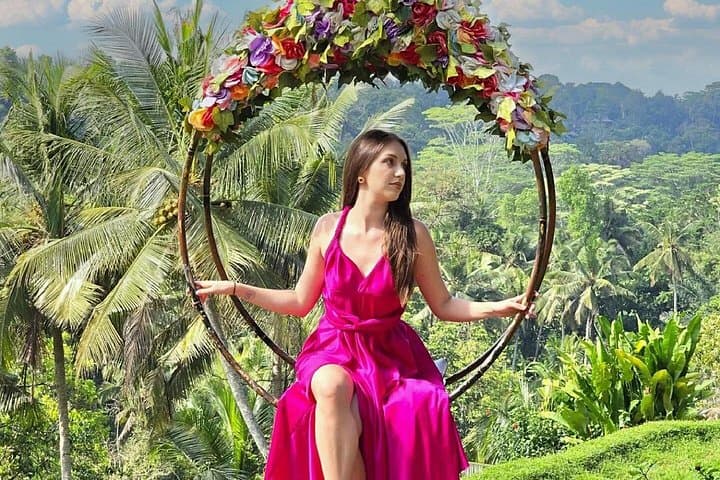
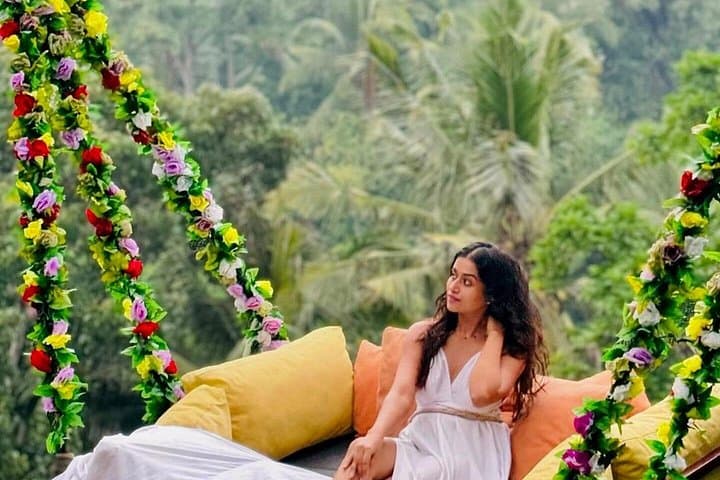

You arrive before mid-morning, the air warm and humid, rice terraces stepping down the valley like a green staircase and a swing frame cutting a silhouette against the sky. The Bali Swing punctures the view—a simple wooden seat and a rope, promising a rush of altitude and a broad panorama that dares you to look down.
You arrive before mid-morning, the air warm and humid, rice terraces stepping down the valley like a green staircase and a swing frame cutting a silhouette against the sky. The Bali Swing punctures the view—a simple wooden seat and a rope, promising a rush of altitude and a broad panorama that dares you to look down.
This route threads together Ubud’s cultural core and the island’s agricultural logic: Tegallalang’s terraces reflect centuries of stonework and the subak irrigation system, a cooperative water management practice that defines Balinese rice agriculture. The Sacred Monkey Forest Sanctuary holds ancient temple complexes where long-tailed macaques move like local residents, and the Ubud Art Market offers a tactile, local commerce that’s been central to town life for generations.
Geology here is volcanic clay and rich alluvium, shaped by Bali’s active arc of islands; the terraces follow contours cut into slopes for water retention. Culturally, you’ll pass shrines and vendors selling offerings—small daily rituals that coexist with tourism.
Practical guidance: plan for seven hours with door-to-door transfer, comfortable shoes for uneven paths and temple steps, and a small daypack for water and sunscreen. Keep valuables zipped in the Monkey Forest—macaques are curious and quick. Time visits for early morning or late afternoon light to avoid crowds and midday heat. Respect temple signs: sarongs may be required. Hydrate regularly—tropical days fatigue quickly—and bring a light rain jacket during the wet season.
This loop balances gentle exertion, photo-ready thrills, and cultural immersion—ideal for travelers who want nature, a touch of adrenaline, and a straightforward introduction to central Bali.