THE ADVENTURE COLLECTIVE® · Independent discovery and booking for outdoor travel

Spend a day across Barbados’ natural and cultural landmarks — from the cavernous passages of Harrison’s Cave to functioning sugar-era windmills and a reserve where green monkeys roam. This guided full-day tour pairs geology and history with accessible walking and included lunch.
Spend a day across Barbados’ natural and cultural landmarks — from the cavernous passages of Harrison’s Cave to functioning sugar-era windmills and a reserve where green monkeys roam. This guided full-day tour pairs geology and history with accessible walking and included lunch.
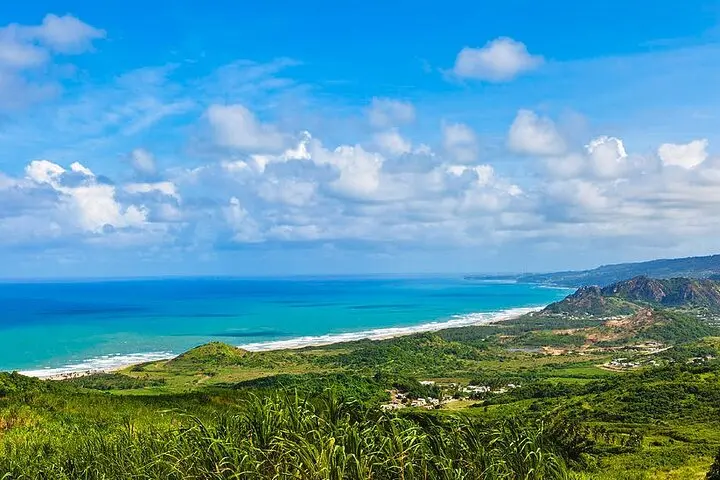
You step off the air-conditioned van into a bright tropical morning and the island exhales — sea spray from the west coast, a warm breeze rolling over cane fields, and the distant turn of a wooden sail windmill.
Verified experiences and guided adventures in the surrounding area.
Operated by SunTours Barbados · Bridgetown, Saint Michael
You step off the air-conditioned van into a bright tropical morning and the island exhales — sea spray from the west coast, a warm breeze rolling over cane fields, and the distant turn of a wooden sail windmill.
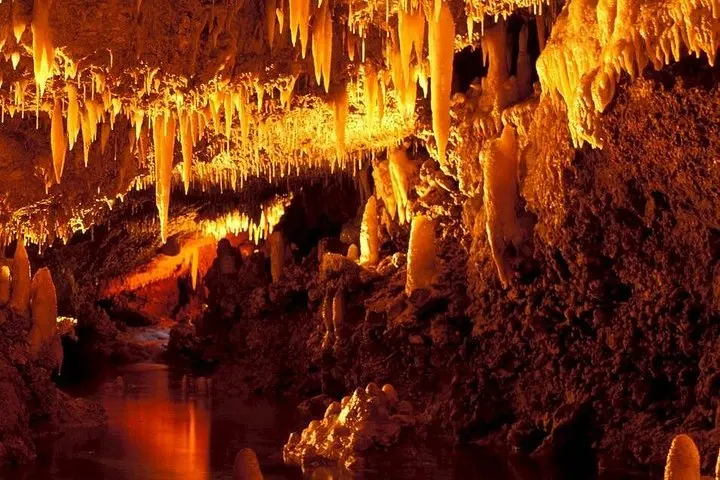
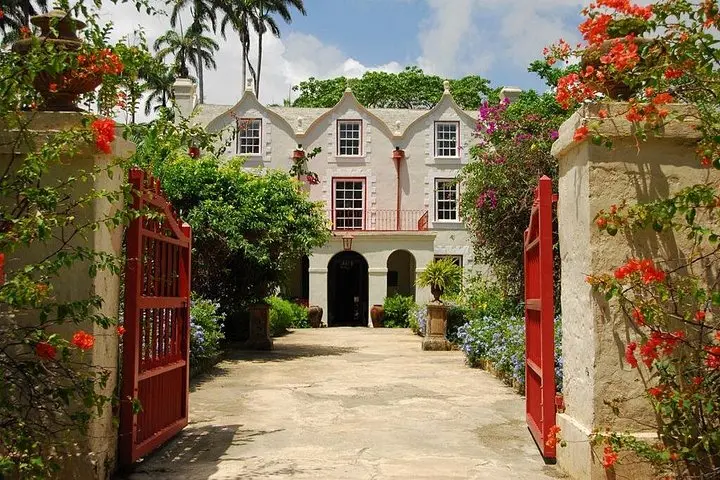
The route threads through Barbados' layered history: sugar estates that shaped the economy and landscape, coral-limestone geology that carved Harrison's Cave, and plantation houses like St. Nicholas Abbey where rum and architecture tell the story of colonial trade and local craft. At Harrison's Cave a tram rides through crystalline limestone passages and chambers where stalactites and dripping pools still grow, while the Morgan Lewis Windmill turns like a reminder of the island's agricultural past.
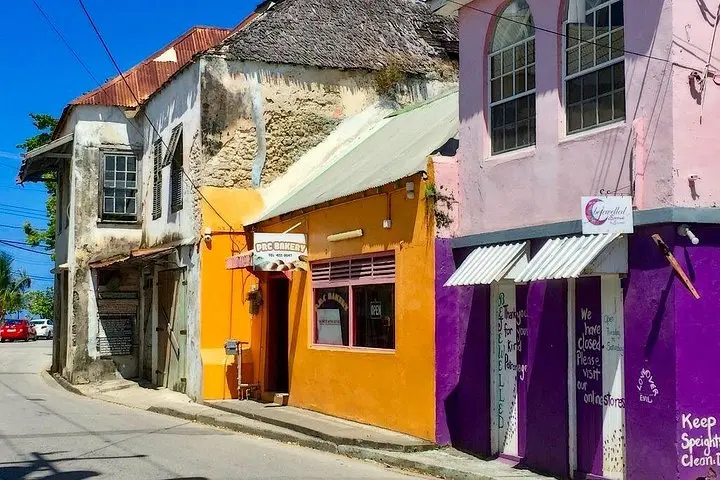
Culture appears in small towns — Holetown, where English settlers landed in 1627, and Speightstown, a once-thriving port — and in the casual company of animals at the Barbados Wildlife Reserve. Green monkeys, iguanas and small deer move through shaded enclosures and open woodland; the animals often act like co-travelers rather than spectacles.
Practicalities are straightforward: the shared excursion runs about seven hours, includes lunch and AC transport, and involves mostly short walks and paved paths — suitable for most fitness levels. Bring sun protection, insect repellent and comfortable shoes for uneven cave walkways. Mornings are cooler and the light is best for photos; afternoons can grow humid.
This full-day loop balances geology, history and wildlife with easy logistics — a compact primer on what shaped Barbados and what still moves across its hills and shorelines.
The tour lasts about seven hours and includes round-trip transportation in an air-conditioned vehicle, admission where noted, and lunch.
Yes; the itinerary involves mostly short walks and tram access, making it suitable for a wide range of ages and fitness levels.
Yes — St. Nicholas Abbey and nearby sites often have gift shops or plantation stores selling rum, local crafts and snacks.
Wear closed-toe shoes with good traction and a light layer; cave passages are cooler and paths can be slippery.
SunTours Barbados operates guided outdoor trips and adventures with an emphasis on safety, stewardship, and memorable experiences.
You step off the air-conditioned van into a bright tropical morning and the island exhales — sea spray from the west coast, a warm breeze rolling over cane fields, and the distant turn of a wooden sail windmill.
You step off the air-conditioned van into a bright tropical morning and the island exhales — sea spray from the west coast, a warm breeze rolling over cane fields, and the distant turn of a wooden sail windmill.
The route threads through Barbados' layered history: sugar estates that shaped the economy and landscape, coral-limestone geology that carved Harrison's Cave, and plantation houses like St. Nicholas Abbey where rum and architecture tell the story of colonial trade and local craft. At Harrison's Cave a tram rides through crystalline limestone passages and chambers where stalactites and dripping pools still grow, while the Morgan Lewis Windmill turns like a reminder of the island's agricultural past.
Culture appears in small towns — Holetown, where English settlers landed in 1627, and Speightstown, a once-thriving port — and in the casual company of animals at the Barbados Wildlife Reserve. Green monkeys, iguanas and small deer move through shaded enclosures and open woodland; the animals often act like co-travelers rather than spectacles.
Practicalities are straightforward: the shared excursion runs about seven hours, includes lunch and AC transport, and involves mostly short walks and paved paths — suitable for most fitness levels. Bring sun protection, insect repellent and comfortable shoes for uneven cave walkways. Mornings are cooler and the light is best for photos; afternoons can grow humid.
This full-day loop balances geology, history and wildlife with easy logistics — a compact primer on what shaped Barbados and what still moves across its hills and shorelines.