THE ADVENTURE COLLECTIVE® · Independent discovery and booking for outdoor travel

Spend six hours exploring Bora Bora’s reef-studded lagoon: guided snorkeling among colorful fish and stingrays, a close encounter with blacktip sharks, and a buffet lunch served on a private motu with views of Mount Otemanu.
Spend six hours exploring Bora Bora’s reef-studded lagoon: guided snorkeling among colorful fish and stingrays, a close encounter with blacktip sharks, and a buffet lunch served on a private motu with views of Mount Otemanu.
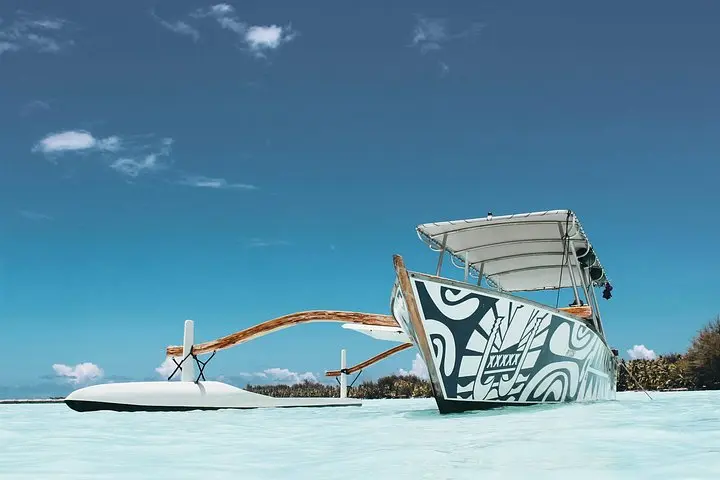
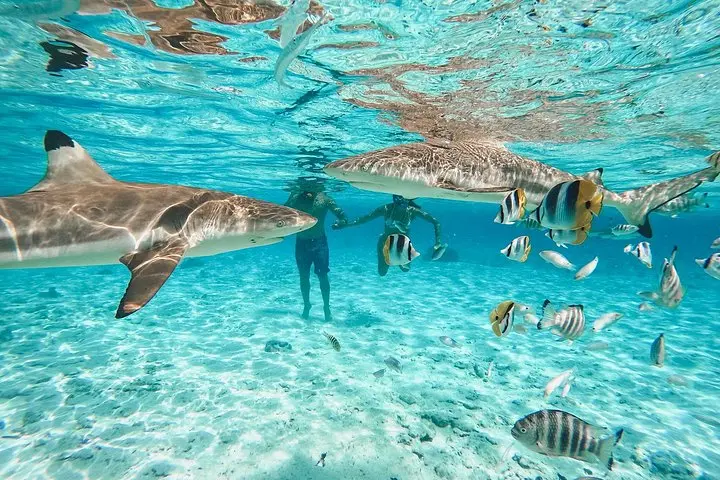
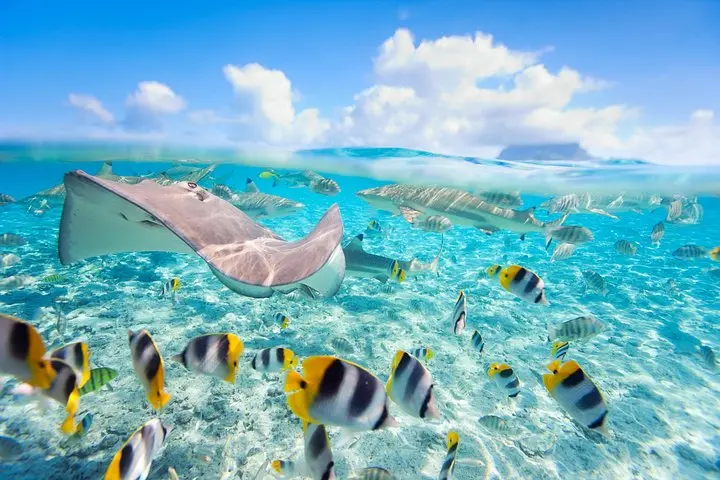
Early light slices across a turquoise bowl; the motor hums, and the lagoon opens like a private map. On a full-day Bora Bora lagoon tour, travelers trade shoreline bustle for reef-studded water, shallow channels and a private motu where lunch arrives on a woven mat under an open sky. Guides steer through coral gardens, point out feeding stingrays, and let blacktip sharks glide like dark commas below the surface.
Verified experiences and guided adventures in the surrounding area.
Operated by Lagoon Service · Vaitape, Bora Bora
Early light slices across a turquoise bowl; the motor hums, and the lagoon opens like a private map. On a full-day Bora Bora lagoon tour, travelers trade shoreline bustle for reef-studded water, shallow channels and a private motu where lunch arrives on a woven mat under an open sky. Guides steer through coral gardens, point out feeding stingrays, and let blacktip sharks glide like dark commas below the surface.
Geologically, Bora Bora is the eroded core of a volcanic island ringed by an atoll and motus formed from reef buildup. Culturally, the lagoon has long been central to local life—fishing, navigation and small-scale agriculture remain part of the rhythm, and motu lunches use staples: poisson cru, coconut, taro and fresh fish.
Expect glassy shallows and pockets of deeper blue where the coral garden is richest. Snorkeling skill is basic but useful; guides often lead shallow swims to see rays and juveniles near reef crests. Photography thrives in this light—use polarized filters and quick strobes for underwater color.
Practicalities: tours run about six hours and usually include snorkel gear, bottled water and a buffet lunch on a private motu. Wear reef-safe sunscreen, a rash guard and water shoes for rocky motu sections. Morning departures offer calmer water and better visibility; afternoons can be breezier. If prone to seasickness, take measures in advance—the crossing is short but active. Finally, treat marine life with space: feeding or touching rays and corals stresses the ecosystem and is often prohibited by guides.
Yes—most full-day lagoon tours include masks, snorkels and often fins; you can bring your own for fit and comfort.
Yes, children are typically allowed but infants may be required to sit on laps and all children should be supervised while swimming.
Guides commonly take guests to shallow areas frequented by stingrays and blacktip sharks; encounters are guided to minimize stress to animals.
A buffet of local dishes is typical—fresh fish, poisson cru, rice, salads and tropical fruits—often served family-style on the motu.
Lagoon Service operates guided outdoor trips and adventures with an emphasis on safety, stewardship, and memorable experiences.
Early light slices across a turquoise bowl; the motor hums, and the lagoon opens like a private map. On a full-day Bora Bora lagoon tour, travelers trade shoreline bustle for reef-studded water, shallow channels and a private motu where lunch arrives on a woven mat under an open sky. Guides steer through coral gardens, point out feeding stingrays, and let blacktip sharks glide like dark commas below the surface.
Early light slices across a turquoise bowl; the motor hums, and the lagoon opens like a private map. On a full-day Bora Bora lagoon tour, travelers trade shoreline bustle for reef-studded water, shallow channels and a private motu where lunch arrives on a woven mat under an open sky. Guides steer through coral gardens, point out feeding stingrays, and let blacktip sharks glide like dark commas below the surface.
Geologically, Bora Bora is the eroded core of a volcanic island ringed by an atoll and motus formed from reef buildup. Culturally, the lagoon has long been central to local life—fishing, navigation and small-scale agriculture remain part of the rhythm, and motu lunches use staples: poisson cru, coconut, taro and fresh fish.
Expect glassy shallows and pockets of deeper blue where the coral garden is richest. Snorkeling skill is basic but useful; guides often lead shallow swims to see rays and juveniles near reef crests. Photography thrives in this light—use polarized filters and quick strobes for underwater color.
Practicalities: tours run about six hours and usually include snorkel gear, bottled water and a buffet lunch on a private motu. Wear reef-safe sunscreen, a rash guard and water shoes for rocky motu sections. Morning departures offer calmer water and better visibility; afternoons can be breezier. If prone to seasickness, take measures in advance—the crossing is short but active. Finally, treat marine life with space: feeding or touching rays and corals stresses the ecosystem and is often prohibited by guides.