THE ADVENTURE COLLECTIVE® · Independent discovery and booking for outdoor travel

Spend a full day learning shelter building, firecraft, and safe tool use in South West England woodlands. This hands-on bushcraft course delivers practical skills, plant ID, and confidence for wilderness camping.
Spend a full day learning shelter building, firecraft, and safe tool use in South West England woodlands. This hands-on bushcraft course delivers practical skills, plant ID, and confidence for wilderness camping.
Morning light filters through alder and oak as the group gathers on a damp forest edge, breath steaming in cool air and boots sinking into leaf litter. The instructor lays out tarps and tools, and the day immediately becomes practical: learn a tarp shelter, practice controlled fire lighting with natural tinders, and carve simple pot hangers and tent pegs from greenwood.
Verified experiences and guided adventures in the surrounding area.
Operated by Elemental Nomad · Exeter, Devon
Morning light filters through alder and oak as the group gathers on a damp forest edge, breath steaming in cool air and boots sinking into leaf litter. The instructor lays out tarps and tools, and the day immediately becomes practical: learn a tarp shelter, practice controlled fire lighting with natural tinders, and carve simple pot hangers and tent pegs from greenwood.
This part of South West England carries a long rural history — hedgerows and coppiced oak reflect centuries of small-scale woodland management. Geologically, the region mixes softer sedimentary soils with pockets of granite and moorland nearby, creating varied habitats where native trees and shrubs thrive. Culturally, modern bushcraft here draws on traditional rural trades and a recent resurgence in outdoor skills education.
Over eight hours you’ll work hands-on under instructor supervision: kit selection and packing, shelter knots, tool safety and carving techniques, firecraft using natural tinders, and basic plant identification for common native species. Expect woodland terrain: muddy sections, uneven roots, and low scrub; paths rarely exceed a few miles but require sure footing.
Practical guidance: wear waterproof layers and sturdy boots, bring filled water bottle and a packed lunch (tea/coffee often provided), and be ready to handle knives and saws under guidance. The course is designed for beginners and those wanting confidence to camp in wild areas; instructors prioritize safety, environmental respect, and Leave No Trace practices so you learn skills that leave minimal impact.
No — the course is designed for beginners and builds skills from basic to confident, with instructor supervision throughout.
Hands-on tuition, use of bushcraft tools and equipment, and tea/coffee; you should bring a packed lunch and personal water.
Check with the operator for age limits; the listing notes infants in prams are possible but tool work and safety may restrict younger children's participation.
The provider may cancel or reschedule if weather prevents safe instruction, and their cancellation policy allows refund if you cancel at least 24 hours prior.
Elemental Nomad operates guided outdoor trips and adventures with an emphasis on safety, stewardship, and memorable experiences.
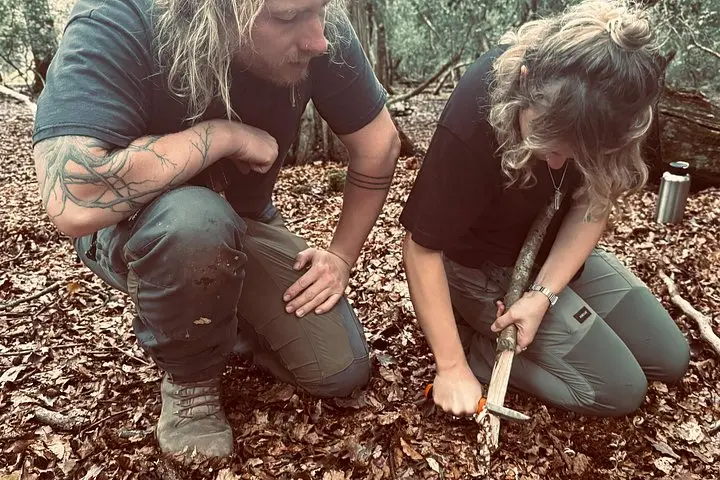
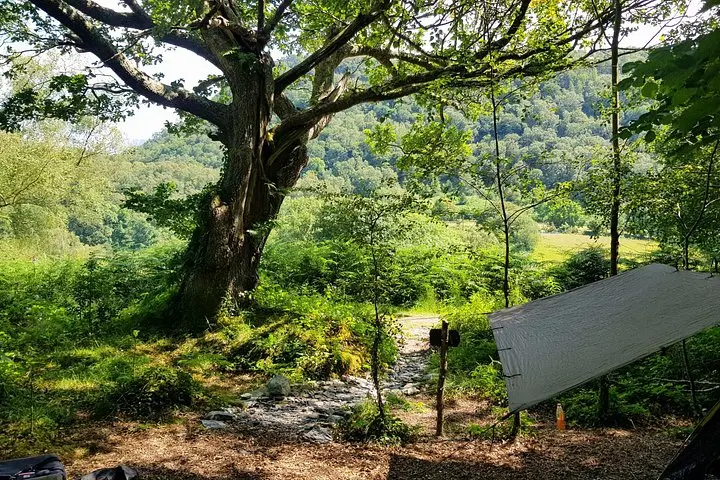

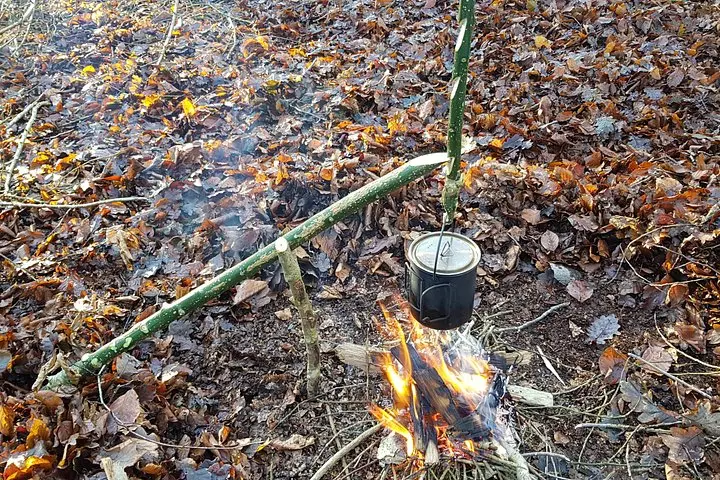
Morning light filters through alder and oak as the group gathers on a damp forest edge, breath steaming in cool air and boots sinking into leaf litter. The instructor lays out tarps and tools, and the day immediately becomes practical: learn a tarp shelter, practice controlled fire lighting with natural tinders, and carve simple pot hangers and tent pegs from greenwood.
Morning light filters through alder and oak as the group gathers on a damp forest edge, breath steaming in cool air and boots sinking into leaf litter. The instructor lays out tarps and tools, and the day immediately becomes practical: learn a tarp shelter, practice controlled fire lighting with natural tinders, and carve simple pot hangers and tent pegs from greenwood.
This part of South West England carries a long rural history — hedgerows and coppiced oak reflect centuries of small-scale woodland management. Geologically, the region mixes softer sedimentary soils with pockets of granite and moorland nearby, creating varied habitats where native trees and shrubs thrive. Culturally, modern bushcraft here draws on traditional rural trades and a recent resurgence in outdoor skills education.
Over eight hours you’ll work hands-on under instructor supervision: kit selection and packing, shelter knots, tool safety and carving techniques, firecraft using natural tinders, and basic plant identification for common native species. Expect woodland terrain: muddy sections, uneven roots, and low scrub; paths rarely exceed a few miles but require sure footing.
Practical guidance: wear waterproof layers and sturdy boots, bring filled water bottle and a packed lunch (tea/coffee often provided), and be ready to handle knives and saws under guidance. The course is designed for beginners and those wanting confidence to camp in wild areas; instructors prioritize safety, environmental respect, and Leave No Trace practices so you learn skills that leave minimal impact.