THE ADVENTURE COLLECTIVE® · Independent discovery and booking for outdoor travel

Walk the lines where Canadian troops fought at Vimy Ridge and across the Somme in a single day from Ypres. This guided tour combines preserved trenches, visitor centres, and major memorials with practical transport and on-site interpretation.
Walk the lines where Canadian troops fought at Vimy Ridge and across the Somme in a single day from Ypres. This guided tour combines preserved trenches, visitor centres, and major memorials with practical transport and on-site interpretation.
A low, cool wind moves across shell-scarred fields as the coach pulls up beside the stone pylons of Vimy Ridge. You step out into a landscape where trenches cut the earth like old scars and a clean, modern memorial rises on the skyline—quiet, deliberate, and attentive to what happened here.
Verified experiences and guided adventures in the surrounding area.
Operated by Ploegsteert Sector Battlefield Experience · Ypres, West Flanders
A low, cool wind moves across shell-scarred fields as the coach pulls up beside the stone pylons of Vimy Ridge. You step out into a landscape where trenches cut the earth like old scars and a clean, modern memorial rises on the skyline—quiet, deliberate, and attentive to what happened here.
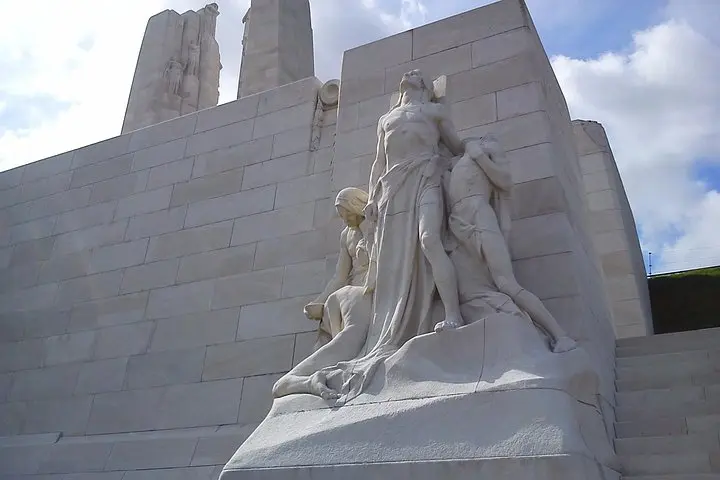
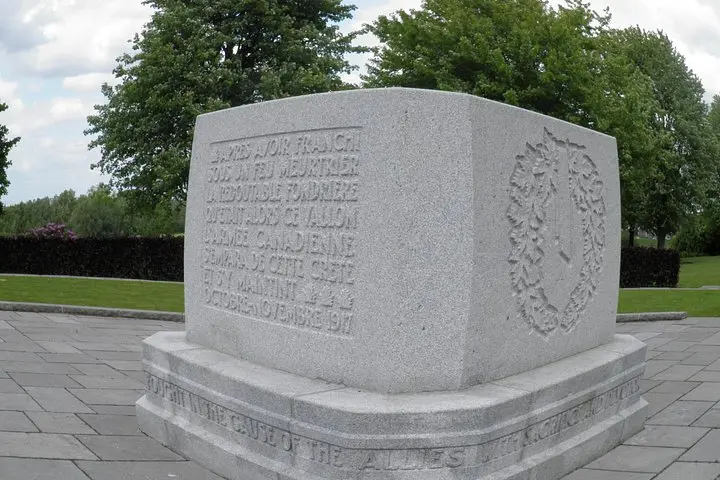
This full-day battlefield tour threads together the Canadian story across northern France: Vimy Ridge with its Grange Tunnel and memorial to 11,285 Canadians, the jagged churn of Beaumont-Hamel and Newfoundland Memorial Park, and the vast wall of names at Thiepval. Geology here is simple—chalk plains and shallow soils that preserved craters and trenches—while the region's towns shifted between armies for much of 1914–18. Local culture still honors the memory: small museums, visitor centres, and commemorative plaques are common, and many villages rebuilt in the 1920s retain that postwar architecture.
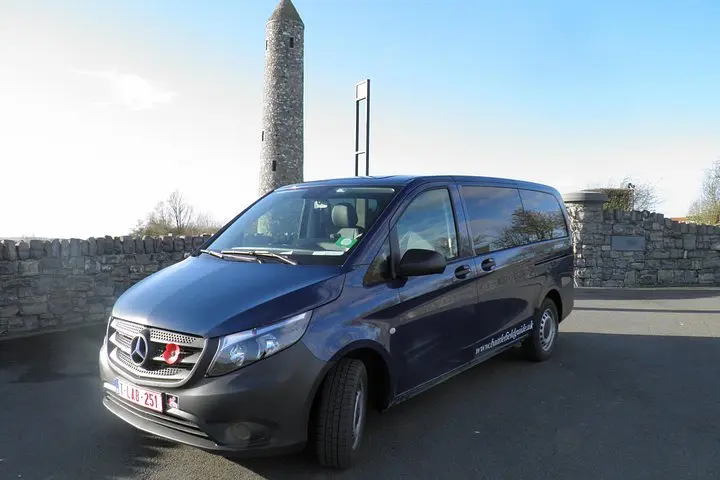
Expect a mix of short walks across uneven ground, boardwalks at visitor centres, and time standing at viewpoints that frame the Douai Plain. Guides explain battlefield tactics, casualties, and the international effort to preserve these sites. The tour balances reflection with logistics: bottled water, an included lunch, and private transport simplify the day, but weather and comfort matter more than fitness—paths can be muddy and winds cut through layers.
Practical guidance: bring sturdy footwear, a weatherproof layer, passport/ID, and a camera with spare batteries. Plan for about nine hours, and allow extra time at memorials to read inscriptions and absorb the scale; the places reward slow attention.
Some sites have free outdoor areas; one or more visitor centres may include admission in the tour, but expect at least one stop where entry is not covered—ask the operator when booking.
Short walks at each site (10–60 minutes) over uneven ground; you can stay near the coach if you prefer less walking.
Lunch and bottled water are included as part of the tour package.
The tour is family-friendly but trenches and some sites have limited accessibility; check specific mobility needs with the operator before booking.
Ploegsteert Sector Battlefield Experience operates guided outdoor trips and adventures with an emphasis on safety, stewardship, and memorable experiences.
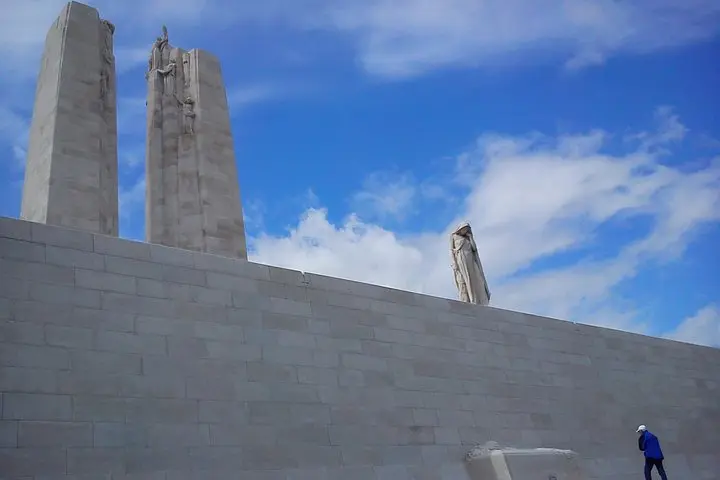
A low, cool wind moves across shell-scarred fields as the coach pulls up beside the stone pylons of Vimy Ridge. You step out into a landscape where trenches cut the earth like old scars and a clean, modern memorial rises on the skyline—quiet, deliberate, and attentive to what happened here.
A low, cool wind moves across shell-scarred fields as the coach pulls up beside the stone pylons of Vimy Ridge. You step out into a landscape where trenches cut the earth like old scars and a clean, modern memorial rises on the skyline—quiet, deliberate, and attentive to what happened here.
This full-day battlefield tour threads together the Canadian story across northern France: Vimy Ridge with its Grange Tunnel and memorial to 11,285 Canadians, the jagged churn of Beaumont-Hamel and Newfoundland Memorial Park, and the vast wall of names at Thiepval. Geology here is simple—chalk plains and shallow soils that preserved craters and trenches—while the region's towns shifted between armies for much of 1914–18. Local culture still honors the memory: small museums, visitor centres, and commemorative plaques are common, and many villages rebuilt in the 1920s retain that postwar architecture.
Expect a mix of short walks across uneven ground, boardwalks at visitor centres, and time standing at viewpoints that frame the Douai Plain. Guides explain battlefield tactics, casualties, and the international effort to preserve these sites. The tour balances reflection with logistics: bottled water, an included lunch, and private transport simplify the day, but weather and comfort matter more than fitness—paths can be muddy and winds cut through layers.
Practical guidance: bring sturdy footwear, a weatherproof layer, passport/ID, and a camera with spare batteries. Plan for about nine hours, and allow extra time at memorials to read inscriptions and absorb the scale; the places reward slow attention.