THE ADVENTURE COLLECTIVE® · Independent discovery and booking for outdoor travel

Drive one of the world’s most dramatic coastal roads, peer over wind-carved cliffs at Cape Point, and meet the waddling residents of Boulders Beach on this full-day private tour from Cape Town. Expect sweeping views, short walks, and an up-close penguin experience on boardwalks designed to protect the colony.
Drive one of the world’s most dramatic coastal roads, peer over wind-carved cliffs at Cape Point, and meet the waddling residents of Boulders Beach on this full-day private tour from Cape Town. Expect sweeping views, short walks, and an up-close penguin experience on boardwalks designed to protect the colony.
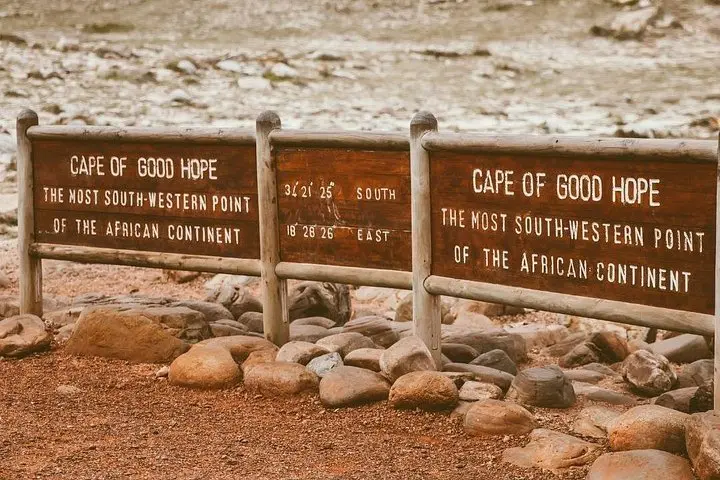
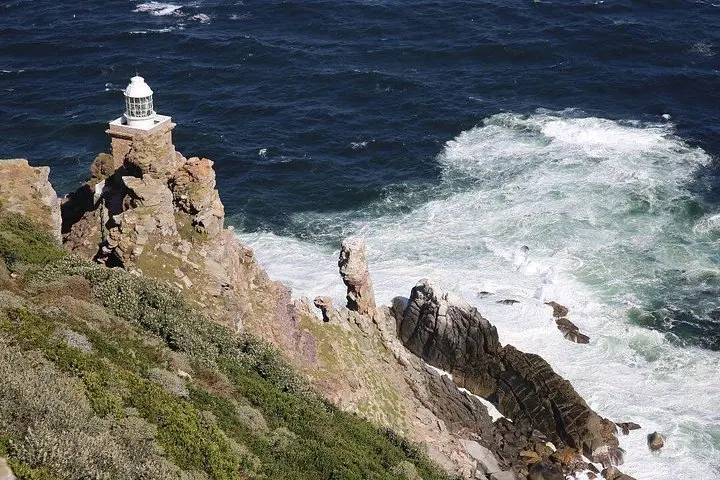
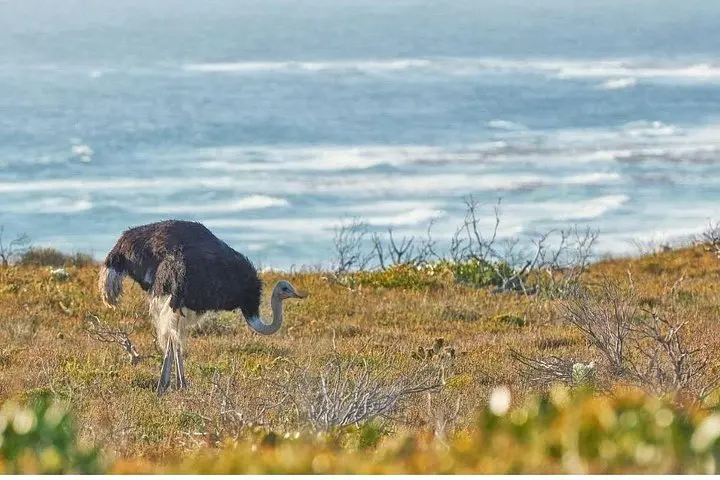
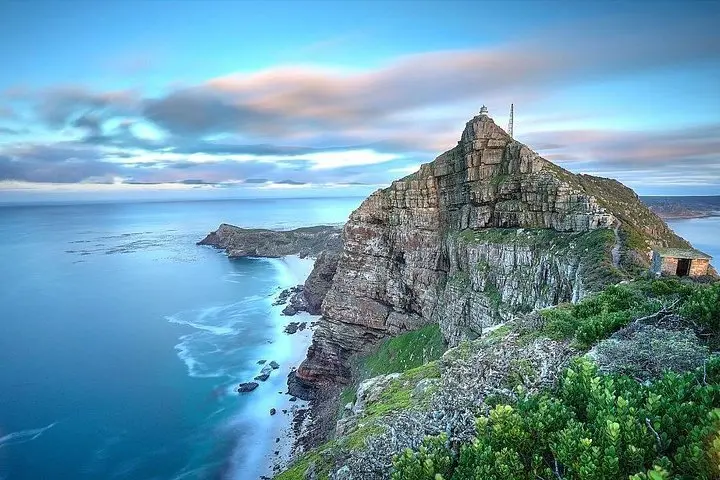
You step out of the vehicle and the Atlantic wind greets you like a deliberate hand, pulling at your jacket and daring you toward the cliff edge. The road has been a slow reveal — palm-lined suburbs, a handful of surfers on False Bay, the sudden drop of ocean. At Cape Point, the terrain tilts into raw stone and fynbos; waves bulldoze into coves below and a lone lighthouse watches the meeting of waters with an uneasy patience.
Verified experiences and guided adventures in the surrounding area.
Operated by ilus tours · Cape Town, Western Cape
You step out of the vehicle and the Atlantic wind greets you like a deliberate hand, pulling at your jacket and daring you toward the cliff edge. The road has been a slow reveal — palm-lined suburbs, a handful of surfers on False Bay, the sudden drop of ocean. At Cape Point, the terrain tilts into raw stone and fynbos; waves bulldoze into coves below and a lone lighthouse watches the meeting of waters with an uneasy patience.
This full-day tour threads together two of the Cape Peninsula’s most magnetic experiences: the raw headlands of the Cape of Good Hope and the unlikely urban colony at Boulders Beach. Geologically, the peninsula is an ancient backbone of Table Mountain sandstone and granite, scoured by wind and sea into sheer cliffs and sheltered bays. European mariners called this stretch the Cape of Storms; Bartolomeu Dias later renamed it to invoke hope — the word still carries the salt-and-iron edge of maritime history.
Culturally the route touches Bo-Kaap’s Cape Malay streets, where color and cumin-scented kitchens recall Cape Town’s layered past of trade and migration. In fishing villages like Hout Bay and Simon’s Town you will see nets being hauled and hear stories of seal colonies and shipwrecks that shaped local livelihoods.
At Boulders Beach, granite outcrops form warm pools where African penguins shuffle between land and sea with the stubborn business of survival. These birds are small ambassadors of the region’s environmental story: once abundant, now vulnerable, and dependent on protected habitats and visitor etiquette.
Practical rhythm of the day is straightforward: expect an 8-hour loop from most Cape Town hotels, with two significant stops—Cape Point for cliff walks and vistas (allow two hours) and Boulders Beach for boardwalk viewing of the penguins (about 45 minutes). The tour is vehicle-based with short, accessible walks; bring layered clothing, good walking shoes for uneven paths, and sun protection — the wind can be cold even under a bright sun.
Timing matters: mid-morning and late afternoon offer the softest light for photos and calmer penguin activity. Photography from the boardwalk is the ethical choice; keep distance, avoid flash, and let the colony move on its own schedule. If you have a private tour, use it to ask your guide about lesser-known viewpoints like the Shipwreck Trail or Smitswinkel Bay — they often turn up quieter panoramas.
This is an approachable, sensory day: the Atlantic pushes and the cliffs reply, penguins bob like punctuation on the shore, and history threads through every harbor. With a practical prep list — layers, water, shoes — the Cape of Good Hope and Boulders Beach reward you with dramatic coastlines and intimate wildlife encounters in a single, memorable day.
Visitors must use the boardwalks and designated viewing areas at Boulders Beach—no walking into colonies or feeding; it’s set up to protect both you and the birds.
Many stops have accessible viewpoints and vehicle access; inform the operator at booking so they can plan suitable pick-up and route options.
Admission to Cape Point (Table Mountain National Park) may or may not be included—confirm on booking; the tour listing notes some attractions include admission.
Layers: a base layer, a fleece or sweater, and a windproof shell; comfortable walking shoes are recommended.
Yes—most itineraries include a lunch stop in Simon’s Town or a harbor village; bring modest cash in case card facilities are limited.
Early morning and late afternoon when penguins move between nests and sea; midday can be quieter when many are resting or feeding offshore.
ilus tours operates guided outdoor trips and adventures with an emphasis on safety, stewardship, and memorable experiences.
You step out of the vehicle and the Atlantic wind greets you like a deliberate hand, pulling at your jacket and daring you toward the cliff edge. The road has been a slow reveal — palm-lined suburbs, a handful of surfers on False Bay, the sudden drop of ocean. At Cape Point, the terrain tilts into raw stone and fynbos; waves bulldoze into coves below and a lone lighthouse watches the meeting of waters with an uneasy patience.
You step out of the vehicle and the Atlantic wind greets you like a deliberate hand, pulling at your jacket and daring you toward the cliff edge. The road has been a slow reveal — palm-lined suburbs, a handful of surfers on False Bay, the sudden drop of ocean. At Cape Point, the terrain tilts into raw stone and fynbos; waves bulldoze into coves below and a lone lighthouse watches the meeting of waters with an uneasy patience.
This full-day tour threads together two of the Cape Peninsula’s most magnetic experiences: the raw headlands of the Cape of Good Hope and the unlikely urban colony at Boulders Beach. Geologically, the peninsula is an ancient backbone of Table Mountain sandstone and granite, scoured by wind and sea into sheer cliffs and sheltered bays. European mariners called this stretch the Cape of Storms; Bartolomeu Dias later renamed it to invoke hope — the word still carries the salt-and-iron edge of maritime history.
Culturally the route touches Bo-Kaap’s Cape Malay streets, where color and cumin-scented kitchens recall Cape Town’s layered past of trade and migration. In fishing villages like Hout Bay and Simon’s Town you will see nets being hauled and hear stories of seal colonies and shipwrecks that shaped local livelihoods.
At Boulders Beach, granite outcrops form warm pools where African penguins shuffle between land and sea with the stubborn business of survival. These birds are small ambassadors of the region’s environmental story: once abundant, now vulnerable, and dependent on protected habitats and visitor etiquette.
Practical rhythm of the day is straightforward: expect an 8-hour loop from most Cape Town hotels, with two significant stops—Cape Point for cliff walks and vistas (allow two hours) and Boulders Beach for boardwalk viewing of the penguins (about 45 minutes). The tour is vehicle-based with short, accessible walks; bring layered clothing, good walking shoes for uneven paths, and sun protection — the wind can be cold even under a bright sun.
Timing matters: mid-morning and late afternoon offer the softest light for photos and calmer penguin activity. Photography from the boardwalk is the ethical choice; keep distance, avoid flash, and let the colony move on its own schedule. If you have a private tour, use it to ask your guide about lesser-known viewpoints like the Shipwreck Trail or Smitswinkel Bay — they often turn up quieter panoramas.
This is an approachable, sensory day: the Atlantic pushes and the cliffs reply, penguins bob like punctuation on the shore, and history threads through every harbor. With a practical prep list — layers, water, shoes — the Cape of Good Hope and Boulders Beach reward you with dramatic coastlines and intimate wildlife encounters in a single, memorable day.