
Full-Day Cape Peninsula Tour: Cape Point, Cape of Good Hope & Boulders Beach Penguins
Drive the dramatic Cape Peninsula in a single day: coastal roads, cliffs at Cape Point, the Cape of Good Hope headland, and the African penguins at Boulders Beach. This full-day tour mixes short hikes, wildlife viewing, and iconic viewpoints with hotel pickup and local guiding.
An Adventure In Cape Town.
Drive the dramatic Cape Peninsula in a single day: coastal roads, cliffs at Cape Point, the Cape of Good Hope headland, and the African penguins at Boulders Beach. This full-day tour mixes short hikes, wildlife viewing, and iconic viewpoints with hotel pickup and local guiding.
Read the full experience
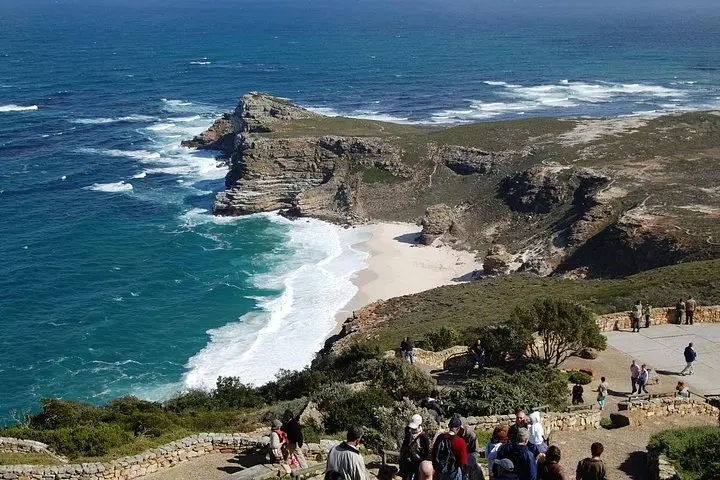
You peel away from Cape Town before sunrise, the city shrinking behind Table Mountain’s shadow as the Atlantic coast pulls into view. The road unfurls past Sea Point and Camps Bay—white beaches and glassy surf—before the van threads the shoulder of Hout Bay where fishing boats ride a slow swell. By midmorning the land tightens into the Cape Point Nature Reserve: a wild, wind-swept bench of sandstone and shale that seems to push the ocean into two different moods.
You peel away from Cape Town before sunrise, the city shrinking behind Table Mountain’s shadow as the Atlantic coast pulls into view. The road unfurls past Sea Point and Camps Bay—white beaches and glassy surf—before the van threads the shoulder of Hout Bay where fishing boats ride a slow swell. By midmorning the land tightens into the Cape Point Nature Reserve: a wild, wind-swept bench of sandstone and shale that seems to push the ocean into two different moods.
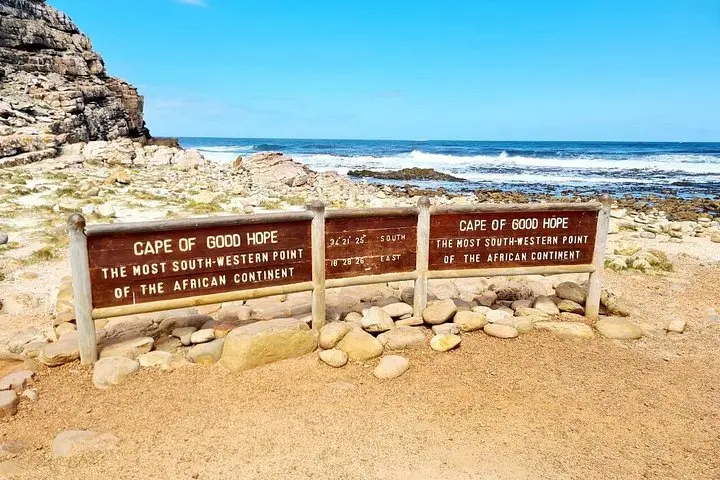
This is a landscape shaped by deep time and human story. The Cape Peninsula is the eroded tip of a granite-and-sandstone spine that records repeated rises and falls of sea level and the grinding work of waves. Portuguese navigator Bartolomeu Dias rounded the promontory in 1488; for centuries sailors have judged the coast by its cliffs and capes. The reserve—about 17,300 acres of Fynbos and coastal scrub—is also where the Atlantic and Indian Oceans are said to meet, a meeting the wind likes to dramatize. Locals call that brisk, clearing gust the “Cape Doctor,” as if the current itself scours the air.
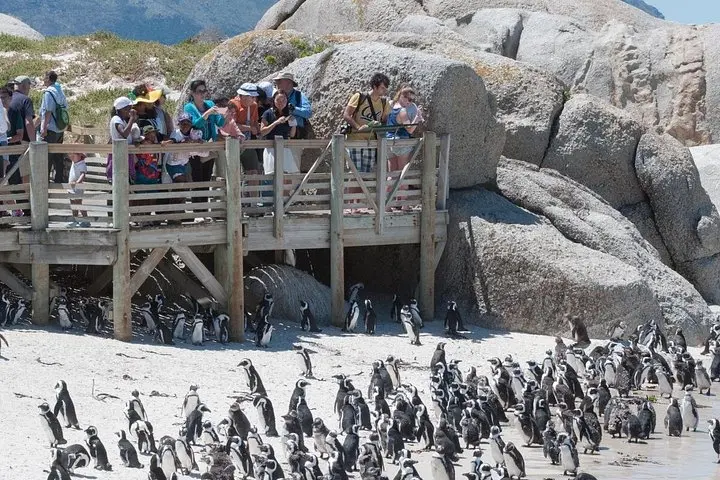
Wildlife is immediate: African penguins cluster at Boulders Beach near Simon’s Town, unbothered by the steady human procession on the boardwalks. Inland, visitors may spot baboons scouting the edges of parking areas and, with luck, Cape mountain zebra and bontebok in the reserve. Birdwatchers will find oystercatchers and cormorants, while tortoises patrol the fynbos underbrush.
The full-day tour moves at a practical pace—scenic drives, short viewpoint stops, and set visits to Cape Point and the Cape of Good Hope headland, with time at Boulders Beach to watch penguin colonies from the boardwalk. Expect a 8–9 hour day that routes either over Chapman's Peak Drive (if open) or via Ou Kaapse Weg, and returns through Simon’s Town and False Bay, passing the University of Cape Town and Rhodes Memorial.
For planning: book entrance fees and the penguin-park ticket in advance if possible, and confirm hotel pickup details 48 hours before departure. Dress in layers and bring a windproof jacket; the wind can change a warm morning into a sharp afternoon. Wear sturdy shoes for the short hikes on uneven trails and stay on marked paths—both for your safety and to protect fragile fynbos. Keep food secured and out of sight; baboons are adept at turning unattended snacks into trouble. Bring water, sun protection, and a charged camera: the light on the cliffs and the low-angled glow on False Bay are best in morning or late afternoon.
This is not a remote expedition but a concentrated exposure to South Africa’s coastal extremes—geology, history, and wildlife compressed into a single day drive. It’s perfect for travelers wanting a grounded, panoramic introduction to the Cape Peninsula with practical stops and expert local guiding.
Frequently asked questions
The tour runs about 8–9 hours (roughly 510 minutes); exact pickup times vary by hotel and you’ll be contacted the day before with your collection time.
The tour includes entrance to Cape Point Nature Reserve and a visit to Boulders Beach; confirm whether the penguin park ticket is pre-purchased or needs to be added at booking as options vary.
Some stops have swimming-friendly beaches, but waters are often cold and currents strong; only swim where lifeguards are present and conditions are safe.
Yes, but it’s not recommended for those with serious spinal, heart, or pregnancy-related issues; children aged 2–3 require car seats and some walking is involved.
Common sightings include African penguins at Boulders Beach and baboons near parking areas; sightings of Cape mountain zebra and bontebok are possible but not guaranteed.
If Chapman’s Peak is closed the tour travels via Ou Kaapse Weg—your itinerary remains similar but with a different scenic route.
About This Experience
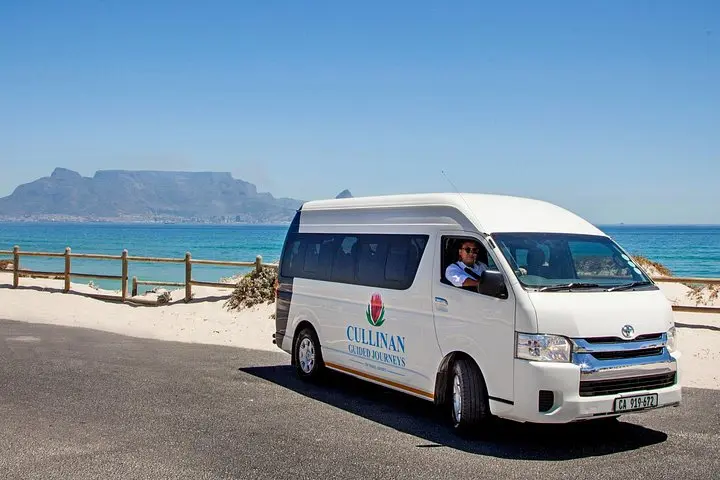
Cullinan Guided Journeys operates guided outdoor trips and adventures with an emphasis on safety, stewardship, and memorable experiences.
Adventure tips
Recommended gear
- Windproof jacket: Protects against sudden coastal winds on exposed viewpoints.
- Sturdy walking shoes: Useful for short hikes and uneven paths around Cape Point and boardwalks at Boulders Beach.
- Sun hat and sunscreen: Essential in summer when UV is strong and shade is limited on the headlands.
- Compact camera or phone with extra battery: Captures cliff vistas and penguin colonies; battery tends to drain quickly in cold or with constant use.
Photos of the experience
Related adventures & guides
Read the full experience
You peel away from Cape Town before sunrise, the city shrinking behind Table Mountain’s shadow as the Atlantic coast pulls into view. The road unfurls past Sea Point and Camps Bay—white beaches and glassy surf—before the van threads the shoulder of Hout Bay where fishing boats ride a slow swell. By midmorning the land tightens into the Cape Point Nature Reserve: a wild, wind-swept bench of sandstone and shale that seems to push the ocean into two different moods.
You peel away from Cape Town before sunrise, the city shrinking behind Table Mountain’s shadow as the Atlantic coast pulls into view. The road unfurls past Sea Point and Camps Bay—white beaches and glassy surf—before the van threads the shoulder of Hout Bay where fishing boats ride a slow swell. By midmorning the land tightens into the Cape Point Nature Reserve: a wild, wind-swept bench of sandstone and shale that seems to push the ocean into two different moods.
This is a landscape shaped by deep time and human story. The Cape Peninsula is the eroded tip of a granite-and-sandstone spine that records repeated rises and falls of sea level and the grinding work of waves. Portuguese navigator Bartolomeu Dias rounded the promontory in 1488; for centuries sailors have judged the coast by its cliffs and capes. The reserve—about 17,300 acres of Fynbos and coastal scrub—is also where the Atlantic and Indian Oceans are said to meet, a meeting the wind likes to dramatize. Locals call that brisk, clearing gust the “Cape Doctor,” as if the current itself scours the air.
Wildlife is immediate: African penguins cluster at Boulders Beach near Simon’s Town, unbothered by the steady human procession on the boardwalks. Inland, visitors may spot baboons scouting the edges of parking areas and, with luck, Cape mountain zebra and bontebok in the reserve. Birdwatchers will find oystercatchers and cormorants, while tortoises patrol the fynbos underbrush.
The full-day tour moves at a practical pace—scenic drives, short viewpoint stops, and set visits to Cape Point and the Cape of Good Hope headland, with time at Boulders Beach to watch penguin colonies from the boardwalk. Expect a 8–9 hour day that routes either over Chapman's Peak Drive (if open) or via Ou Kaapse Weg, and returns through Simon’s Town and False Bay, passing the University of Cape Town and Rhodes Memorial.
For planning: book entrance fees and the penguin-park ticket in advance if possible, and confirm hotel pickup details 48 hours before departure. Dress in layers and bring a windproof jacket; the wind can change a warm morning into a sharp afternoon. Wear sturdy shoes for the short hikes on uneven trails and stay on marked paths—both for your safety and to protect fragile fynbos. Keep food secured and out of sight; baboons are adept at turning unattended snacks into trouble. Bring water, sun protection, and a charged camera: the light on the cliffs and the low-angled glow on False Bay are best in morning or late afternoon.
This is not a remote expedition but a concentrated exposure to South Africa’s coastal extremes—geology, history, and wildlife compressed into a single day drive. It’s perfect for travelers wanting a grounded, panoramic introduction to the Cape Peninsula with practical stops and expert local guiding.
Make a day of it nearby.
Verified experiences and guided adventures in the surrounding area.