THE ADVENTURE COLLECTIVE® · Independent discovery and booking for outdoor travel

Drive Chapman's Peak, stand at the Cape of Good Hope, and walk among African penguins at Boulders Beach on a full‑day private tour from Cape Town. Scenic drives, short coastal hikes, and wildlife viewing combine into an accessible outdoor day trip.
Drive Chapman's Peak, stand at the Cape of Good Hope, and walk among African penguins at Boulders Beach on a full‑day private tour from Cape Town. Scenic drives, short coastal hikes, and wildlife viewing combine into an accessible outdoor day trip.
A brisk Atlantic wind meets the windshield as you peel away from Cape Town and follow the ocean's edge toward the South Western tip of Africa. Chapman’s Peak carves the first act: a 9‑km coastal road with cliffside viewpoints that make the sea feel like it’s daring you to look away. Hout Bay slips into view, then the road drops into fynbos and granite as you enter Table Mountain National Park toward Cape Point.
Verified experiences and guided adventures in the surrounding area.
Operated by Mutore Tours · Cape Town, Western Cape
A brisk Atlantic wind meets the windshield as you peel away from Cape Town and follow the ocean's edge toward the South Western tip of Africa. Chapman’s Peak carves the first act: a 9‑km coastal road with cliffside viewpoints that make the sea feel like it’s daring you to look away. Hout Bay slips into view, then the road drops into fynbos and granite as you enter Table Mountain National Park toward Cape Point.
This coastline carries layered history — from early Portuguese sailors like Bartolomeu Dias to 19th‑century lighthouses guiding ships past treacherous rocks. Geologically, the Cape Peninsula is an exposed fold of Table Mountain sandstone and Cape Granite; cliffs rise hundreds of meters where waves have chewed away ancient beds. The reserve’s culture is maritime and small‑town: Simon’s Town and Kalk Bay retain fishing‑village character and fresh seafood stalls.
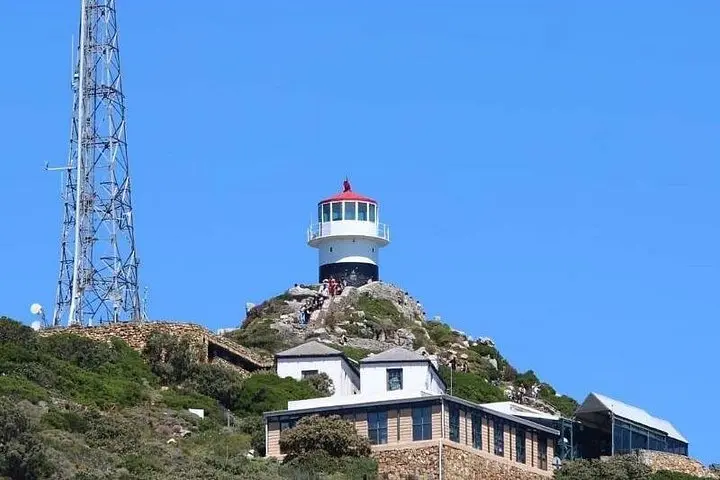
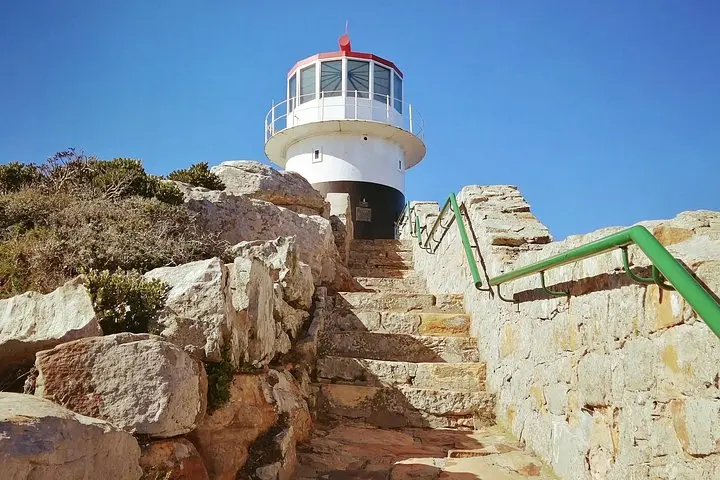
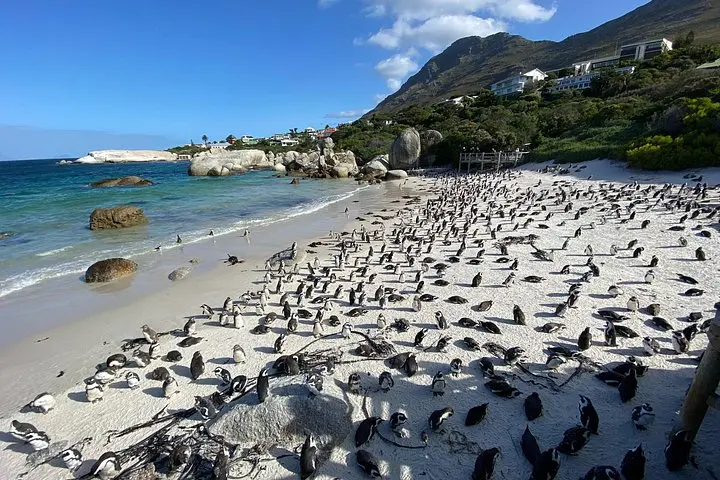
Expect short walks: a steep 200‑m ascent or a shuttle to the old lighthouse viewpoint, boardwalks through dune scrub at Boulders Beach, and flat seaside promenades. Wildlife is close and conspicuous — African penguins shuffle on granite boulders, and chacma baboons patrol headlands.
Practicalities: this is a full‑day, private‑transport tour (about 8 hours roundtrip). Bring layered windproof clothing, sturdy shoes for uneven boardwalks and stairs, sunscreen and at least 1–2 liters of water. Carry small change for park fees or food; follow signage and keep distance from wildlife — penguins are stressed by crowds and baboons take anything left unattended. If you want photos without crowds, plan Chapman’s Peak in the morning and Boulders in early afternoon. The route is largely paved, wheelchair‑accessible in parts, and best visited when road conditions allow Chapman’s Peak to be open.
The private tour runs about 8 hours, typically departing from and returning to Cape Town accommodation; exact pickup time is confirmed at booking.
Yes — boardwalks allow close viewing of the African penguin colony, but touching or feeding penguins is prohibited to protect the birds.
No — Chapman’s Peak can close for maintenance or weather; routes are adjusted when closed and your guide will use alternate coastal roads.
The tour is family‑friendly and some stops are wheelchair accessible, but certain viewpoints and lighthouse access involve stairs or uneven ground.
Mutore Tours operates guided outdoor trips and adventures with an emphasis on safety, stewardship, and memorable experiences.
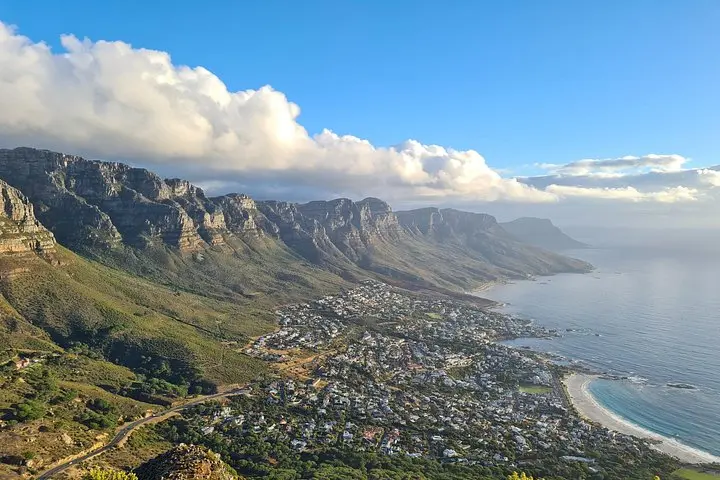
A brisk Atlantic wind meets the windshield as you peel away from Cape Town and follow the ocean's edge toward the South Western tip of Africa. Chapman’s Peak carves the first act: a 9‑km coastal road with cliffside viewpoints that make the sea feel like it’s daring you to look away. Hout Bay slips into view, then the road drops into fynbos and granite as you enter Table Mountain National Park toward Cape Point.
A brisk Atlantic wind meets the windshield as you peel away from Cape Town and follow the ocean's edge toward the South Western tip of Africa. Chapman’s Peak carves the first act: a 9‑km coastal road with cliffside viewpoints that make the sea feel like it’s daring you to look away. Hout Bay slips into view, then the road drops into fynbos and granite as you enter Table Mountain National Park toward Cape Point.
This coastline carries layered history — from early Portuguese sailors like Bartolomeu Dias to 19th‑century lighthouses guiding ships past treacherous rocks. Geologically, the Cape Peninsula is an exposed fold of Table Mountain sandstone and Cape Granite; cliffs rise hundreds of meters where waves have chewed away ancient beds. The reserve’s culture is maritime and small‑town: Simon’s Town and Kalk Bay retain fishing‑village character and fresh seafood stalls.
Expect short walks: a steep 200‑m ascent or a shuttle to the old lighthouse viewpoint, boardwalks through dune scrub at Boulders Beach, and flat seaside promenades. Wildlife is close and conspicuous — African penguins shuffle on granite boulders, and chacma baboons patrol headlands.
Practicalities: this is a full‑day, private‑transport tour (about 8 hours roundtrip). Bring layered windproof clothing, sturdy shoes for uneven boardwalks and stairs, sunscreen and at least 1–2 liters of water. Carry small change for park fees or food; follow signage and keep distance from wildlife — penguins are stressed by crowds and baboons take anything left unattended. If you want photos without crowds, plan Chapman’s Peak in the morning and Boulders in early afternoon. The route is largely paved, wheelchair‑accessible in parts, and best visited when road conditions allow Chapman’s Peak to be open.