THE ADVENTURE COLLECTIVE® · Independent discovery and booking for outdoor travel

Spend a full day moving from the solemn history of Robben Island to the cliff-carved panoramas of Chapman’s Peak and the waddling penguins of Boulders Beach. This private Cape Town tour mixes history, wildlife and dramatic coastal drives in a single, well-paced itinerary.
Spend a full day moving from the solemn history of Robben Island to the cliff-carved panoramas of Chapman’s Peak and the waddling penguins of Boulders Beach. This private Cape Town tour mixes history, wildlife and dramatic coastal drives in a single, well-paced itinerary.
You step out of an air-conditioned minibus and the Atlantic hits you like a cool, steady hand — a salt-spray punctuation to a day that moves from the political gravity of Robben Island to the playful traffic of penguins on Boulders Beach.
Verified experiences and guided adventures in the surrounding area.
Operated by Matadi Africa And Travel Tours · Cape Town, Western Cape
You step out of an air-conditioned minibus and the Atlantic hits you like a cool, steady hand — a salt-spray punctuation to a day that moves from the political gravity of Robben Island to the playful traffic of penguins on Boulders Beach.
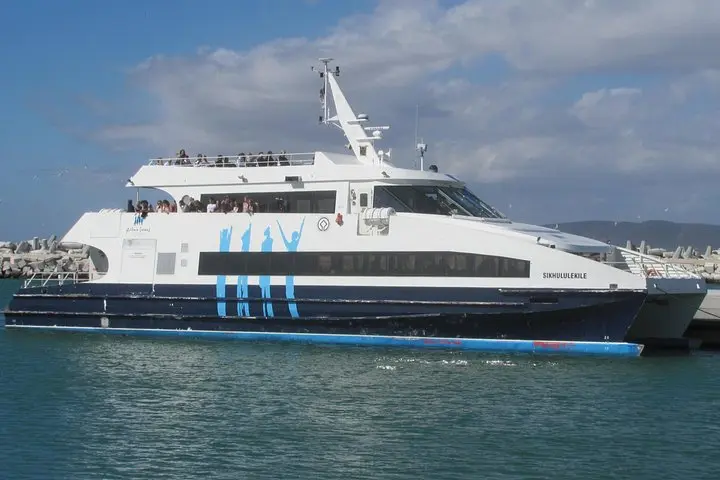
The tour begins at the Nelson Mandela Gateway on the V&A Waterfront, where the ferry slices through Table Bay toward Robben Island. The island’s low profile and windswept limestone shoreline give little hint of its heavy history: rock-cut cells, a quarry that doubled as a classroom of hardship, and guided narratives from former inmates that make the place an essential lesson in South African history and resilience. Standing where Nelson Mandela stood, you feel the scale of the struggle and the odd uplift of reconciliation that followed.
Back on the mainland the route threads scenic contrasts — the slick urban chic of Clifton and Camps Bay transitions quickly to the raw, wind-carved cliffs of Chapman’s Peak Drive. The road bends 114 times along granite and shale, each curve presenting a new parallel of ocean and sky. Geologically, the Peninsula is a collision of Cape Granite and Table Mountain sandstone; the result is dramatic ridgelines and steep headlands where seabirds wheel and occasional whales trace white lines offshore during winter.
The Cape of Good Hope and Cape Point are where currents meet with drama. The lighthouse stands 238 meters above the surf; below, fynbos-covered slopes fall away to beaches shaped by waves and by centuries of wind. Animal-life here is conspicuous — troops of chacma baboons and small herds of springbok and Cape mountain zebra occupy the reserve, while birders count raptors and seabirds in the hundreds.
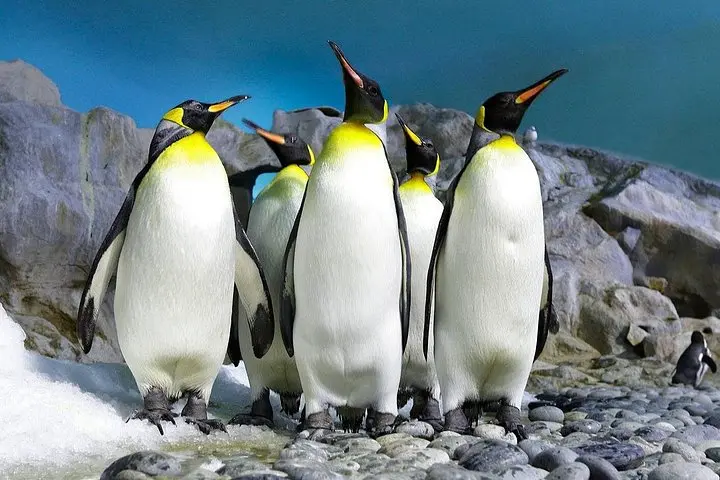
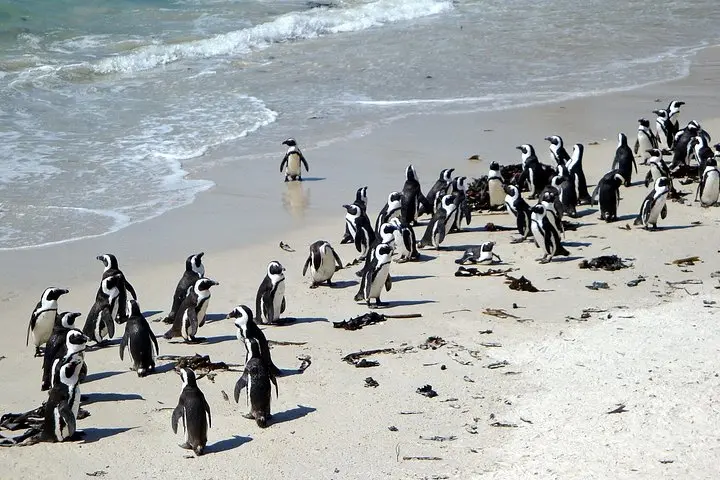
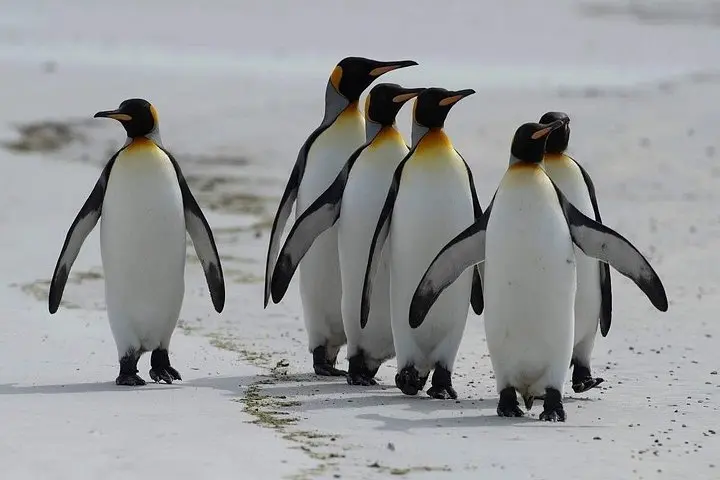
The day cools with a visit to Boulders Beach, where African penguins (commonly called jackass penguins) have made a colony among granite boulders. Boardwalks keep the viewing close but respectful; the birds are oddly unbothered by human observers, waddling like small sentinels of the shore while tourists learn about conservation struggles that threaten them.
Practical guidance: the itinerary is a full eight-hour day with frequent stops and short hikes — be prepared for wind and sun, bring a windbreaker and good walking shoes, and plan for brief ferry waits. Photography thrives in morning and late afternoon light; wear layers and carry water. Accessibility is generally good — vehicles are comfortable and many sites have boardwalks, but Robben Island involves boat travel and some uneven surfaces. If you want a quieter experience, request an early pickup and prioritize Robben Island in your booking. With a private guide you’ll move at a human pace through history, geology and wildlife — it’s a single day that sketches the extremes of the Cape.
This private full-day tour runs about eight hours, including ferry time to Robben Island and multiple stops along the Cape Peninsula.
Admission to Robben Island is included on this itinerary; the ferry and guided island tour are part of the booking.
Swimming near Boulders Beach is allowed, but avoid disturbing nesting areas—penguins are wild and protected.
The vehicles are accessible and many sites have boardwalks, but Robben Island and some viewpoints have uneven surfaces—check specific needs with the operator.
Expect penguins at Boulders Beach, baboons, various antelope like springbok and Cape mountain zebra, and seasonal whales offshore.
Bring a windproof layer, comfortable shoes, water, and identification; ferry crossings can be choppy, so bring motion-sickness remedies if needed.
Matadi Africa And Travel Tours operates guided outdoor trips and adventures with an emphasis on safety, stewardship, and memorable experiences.
You step out of an air-conditioned minibus and the Atlantic hits you like a cool, steady hand — a salt-spray punctuation to a day that moves from the political gravity of Robben Island to the playful traffic of penguins on Boulders Beach.
You step out of an air-conditioned minibus and the Atlantic hits you like a cool, steady hand — a salt-spray punctuation to a day that moves from the political gravity of Robben Island to the playful traffic of penguins on Boulders Beach.
The tour begins at the Nelson Mandela Gateway on the V&A Waterfront, where the ferry slices through Table Bay toward Robben Island. The island’s low profile and windswept limestone shoreline give little hint of its heavy history: rock-cut cells, a quarry that doubled as a classroom of hardship, and guided narratives from former inmates that make the place an essential lesson in South African history and resilience. Standing where Nelson Mandela stood, you feel the scale of the struggle and the odd uplift of reconciliation that followed.
Back on the mainland the route threads scenic contrasts — the slick urban chic of Clifton and Camps Bay transitions quickly to the raw, wind-carved cliffs of Chapman’s Peak Drive. The road bends 114 times along granite and shale, each curve presenting a new parallel of ocean and sky. Geologically, the Peninsula is a collision of Cape Granite and Table Mountain sandstone; the result is dramatic ridgelines and steep headlands where seabirds wheel and occasional whales trace white lines offshore during winter.
The Cape of Good Hope and Cape Point are where currents meet with drama. The lighthouse stands 238 meters above the surf; below, fynbos-covered slopes fall away to beaches shaped by waves and by centuries of wind. Animal-life here is conspicuous — troops of chacma baboons and small herds of springbok and Cape mountain zebra occupy the reserve, while birders count raptors and seabirds in the hundreds.
The day cools with a visit to Boulders Beach, where African penguins (commonly called jackass penguins) have made a colony among granite boulders. Boardwalks keep the viewing close but respectful; the birds are oddly unbothered by human observers, waddling like small sentinels of the shore while tourists learn about conservation struggles that threaten them.
Practical guidance: the itinerary is a full eight-hour day with frequent stops and short hikes — be prepared for wind and sun, bring a windbreaker and good walking shoes, and plan for brief ferry waits. Photography thrives in morning and late afternoon light; wear layers and carry water. Accessibility is generally good — vehicles are comfortable and many sites have boardwalks, but Robben Island involves boat travel and some uneven surfaces. If you want a quieter experience, request an early pickup and prioritize Robben Island in your booking. With a private guide you’ll move at a human pace through history, geology and wildlife — it’s a single day that sketches the extremes of the Cape.