THE ADVENTURE COLLECTIVE® · Independent discovery and booking for outdoor travel

Spend a day exploring Stellenbosch, Franschhoek, Paarl and Wellington—sampling estate wines, touring cellars and learning about the region’s French Huguenot and Cape viticultural heritage. This full-day tour combines scenic drives with curated tastings and local pairings.
Spend a day exploring Stellenbosch, Franschhoek, Paarl and Wellington—sampling estate wines, touring cellars and learning about the region’s French Huguenot and Cape viticultural heritage. This full-day tour combines scenic drives with curated tastings and local pairings.
You step out of Cape Town’s cool morning into a ribbon of vineyards that unspools toward the Helderberg and Drakenstein mountains. Rows of vines angle toward the sun, and the air tastes faintly of citrus and fermenting grapes as the van threads through oak-lined lanes toward Stellenbosch.
Verified experiences and guided adventures in the surrounding area.
Operated by UBUNTU DESTINATION MANAGEMENT · Stellenbosch, Western Cape
You step out of Cape Town’s cool morning into a ribbon of vineyards that unspools toward the Helderberg and Drakenstein mountains. Rows of vines angle toward the sun, and the air tastes faintly of citrus and fermenting grapes as the van threads through oak-lined lanes toward Stellenbosch.
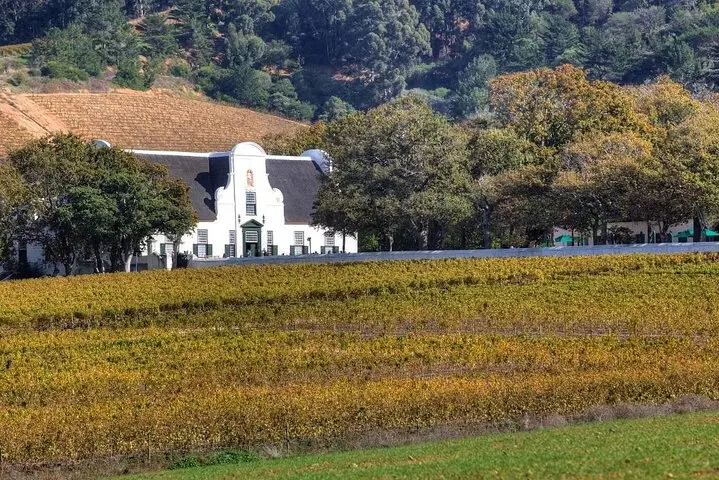
This route traces centuries of settlement and winecraft: oak avenues planted by Dutch settlers, Huguenot vineyards in Franschhoek, and Paarl’s granite koppies that gave the valley its name. Geology shapes the wines here — granite and decomposed shale produce bright, mineral whites while richer, clay soils feed concentrated reds. Culture is equally present: cellars that double as galleries, Afrikaans homesteads, and a food scene that elevated South African pairing into an art.
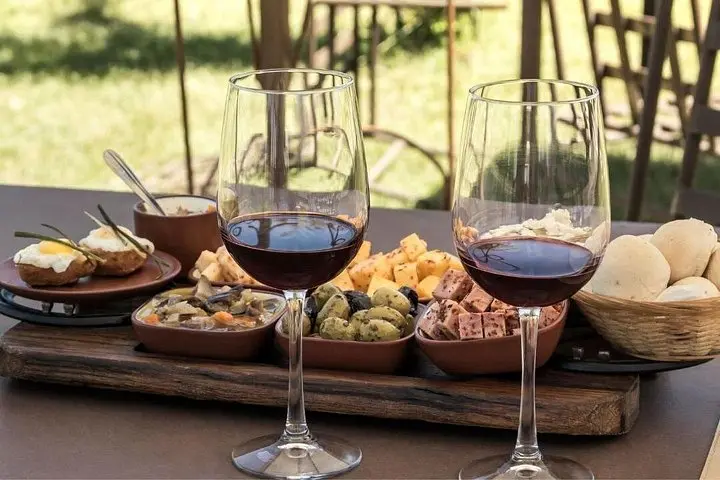
Expect guided tastings at established estates and a family-run farm in Wellington that emphasizes sustainable practices. Tastings include cellar stories from vintners and chances to sample cheeses and charcuterie that balance the wines.
Practical guidance: a full-day tour runs about eight hours with short walks across gravel yards and cellar steps; bring sun protection and comfortable shoes. Hydrate between flights and pace tasting to avoid palate fatigue. If you have mobility needs, confirm pickup and accessible facilities in advance—many estates are adapting for accessibility but cellars can have uneven surfaces. Plan for a late return to Cape Town and consider reserving a slot at a restaurant in Franschhoek if you want a long lunch. The Winelands invite a measured curiosity: sip, ask, and let the landscape do the rest.
Yes — private air-conditioned transportation with pickup and drop-off is included; confirm your pickup point at booking.
Tastings at several estates are included; a light cheese or charcuterie pairing is typical, but full meals may be extra or arranged on request.
The tour accommodates infants and non-drinkers — non-alcoholic options and water are provided; inform the operator about special requirements.
Many transport options and some estates are wheelchair accessible, but historic cellars can have steps; check details when booking to confirm specific estate access.
UBUNTU DESTINATION MANAGEMENT operates guided outdoor trips and adventures with an emphasis on safety, stewardship, and memorable experiences.

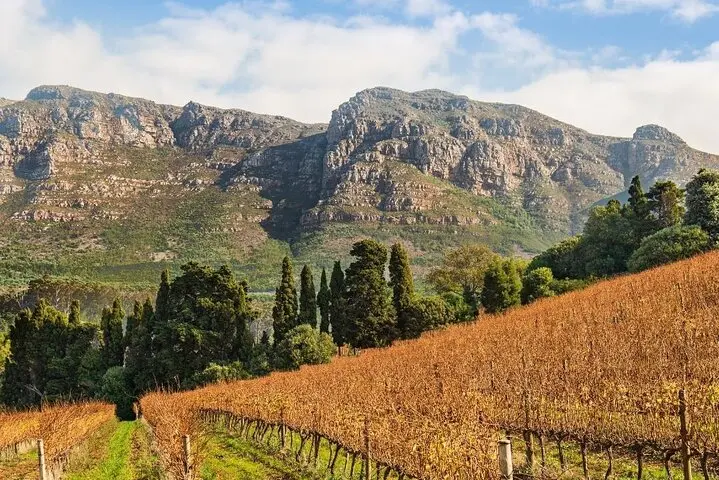
You step out of Cape Town’s cool morning into a ribbon of vineyards that unspools toward the Helderberg and Drakenstein mountains. Rows of vines angle toward the sun, and the air tastes faintly of citrus and fermenting grapes as the van threads through oak-lined lanes toward Stellenbosch.
You step out of Cape Town’s cool morning into a ribbon of vineyards that unspools toward the Helderberg and Drakenstein mountains. Rows of vines angle toward the sun, and the air tastes faintly of citrus and fermenting grapes as the van threads through oak-lined lanes toward Stellenbosch.
This route traces centuries of settlement and winecraft: oak avenues planted by Dutch settlers, Huguenot vineyards in Franschhoek, and Paarl’s granite koppies that gave the valley its name. Geology shapes the wines here — granite and decomposed shale produce bright, mineral whites while richer, clay soils feed concentrated reds. Culture is equally present: cellars that double as galleries, Afrikaans homesteads, and a food scene that elevated South African pairing into an art.
Expect guided tastings at established estates and a family-run farm in Wellington that emphasizes sustainable practices. Tastings include cellar stories from vintners and chances to sample cheeses and charcuterie that balance the wines.
Practical guidance: a full-day tour runs about eight hours with short walks across gravel yards and cellar steps; bring sun protection and comfortable shoes. Hydrate between flights and pace tasting to avoid palate fatigue. If you have mobility needs, confirm pickup and accessible facilities in advance—many estates are adapting for accessibility but cellars can have uneven surfaces. Plan for a late return to Cape Town and consider reserving a slot at a restaurant in Franschhoek if you want a long lunch. The Winelands invite a measured curiosity: sip, ask, and let the landscape do the rest.