THE ADVENTURE COLLECTIVE® · Independent discovery and booking for outdoor travel

Take a full day by local train through Aichi’s most important castles—Okazaki, Inuyama, and Nagoya—guided in English. Expect historic architecture, river views from Inuyama, and Nagoya’s food alleys, all knitted together by efficient regional trains.
Take a full day by local train through Aichi’s most important castles—Okazaki, Inuyama, and Nagoya—guided in English. Expect historic architecture, river views from Inuyama, and Nagoya’s food alleys, all knitted together by efficient regional trains.
The morning train pulls out of Nagoya Station and the city glass gives way to low hills and rice paddies; you feel the rhythm of the rails set the day. Platforms smell of coffee and newspaper ink as your English-speaking guide outlines the itinerary: Okazaki, Inuyama, Nagoya — three castle stories layered across Aichi.
Verified experiences and guided adventures in the surrounding area.
Operated by H.I.S.Co., Ltd. · Nagoya, Aichi
The morning train pulls out of Nagoya Station and the city glass gives way to low hills and rice paddies; you feel the rhythm of the rails set the day. Platforms smell of coffee and newspaper ink as your English-speaking guide outlines the itinerary: Okazaki, Inuyama, Nagoya — three castle stories layered across Aichi.
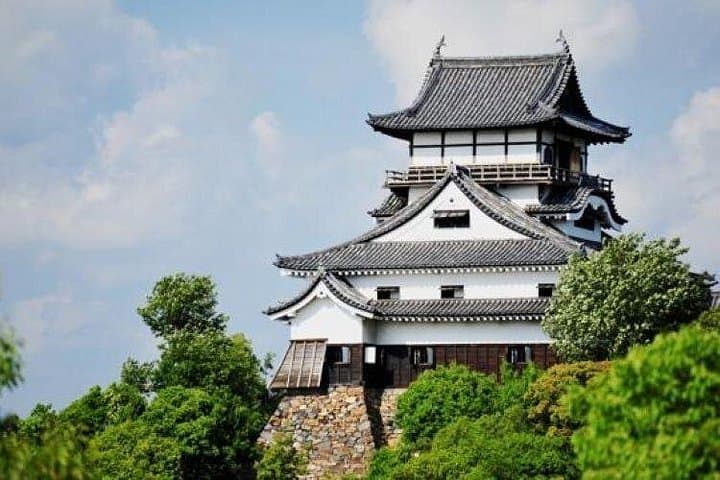
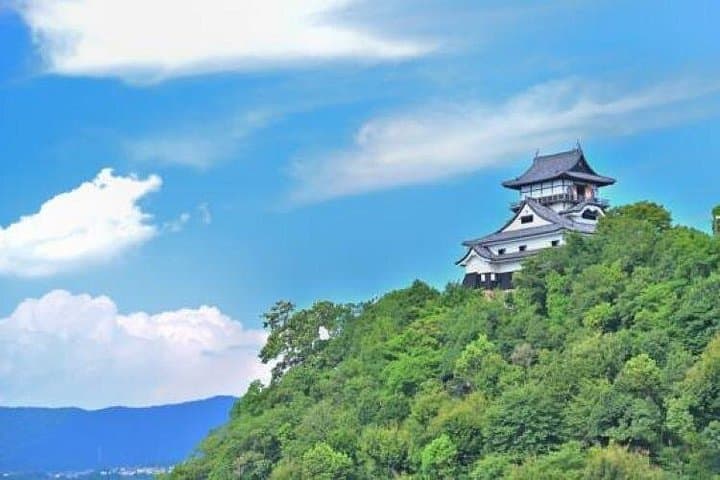
Okazaki Castle opens with the private history of Tokugawa Ieyasu’s childhood, its stone base rising from a park threaded with walking paths. Inuyama Castle — one of Japan’s national treasures — perches above the Kiso River, its timbered tower offering wide water-and-hills views. Nagoya Castle anchors the day: a rebuilt keep, the Honmaru Goten palace, and the Kinshachi Yokocho food alley for local bites.
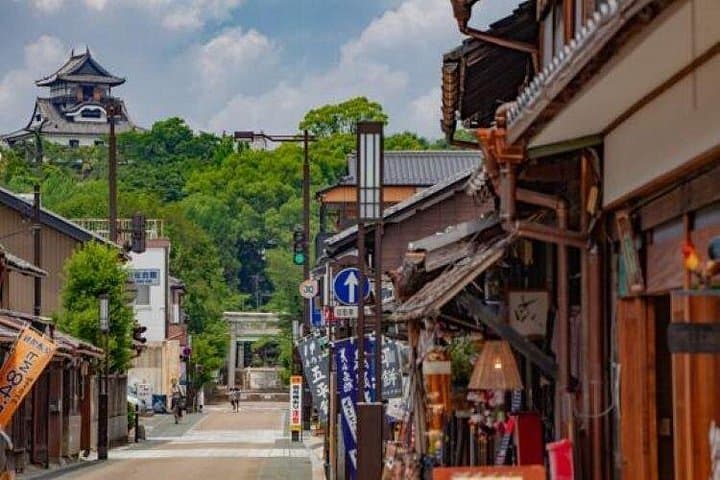
Geologically the route moves from alluvial plains into the lower foothills of the central Japanese Alps; the Kiso River cuts the landscape and often defines sightlines. Culturally you’ll pass merchant streets where Edo-period townhouses have become cafés and craft shops; the guide links architecture, feudal politics, and the local food culture as you go.
Practical edge: this is a long, public-transport day—expect 9–10 hours total, moderate walking with stairs inside castle keeps, and unreserved train seating. Carry cash for small shops and some admission fees (though major entry fees are included), bring a charged phone for train schedules, and plan visits early or late to avoid midday crowds. The route is flexible; speak with your guide about customizing stops, but remember tickets and timetables can be strict on busy weekends and holidays.
Admission fees for the castles listed and round-trip transportation are included as stated, but extra optional sites or added attractions may require on-site payment.
Infants and small children are allowed; strollers can be used but castle interiors often have steep stairs, so carriers are more practical inside keeps.
An English-speaking guide leads the tour; guides can accommodate questions about history and local culture in English.
Yes—the tour is private and customizable, but skipping paid sites does not reduce the price and adding new sites may require extra entrance or transportation fees.
H.I.S.Co., Ltd. operates guided outdoor trips and adventures with an emphasis on safety, stewardship, and memorable experiences.

The morning train pulls out of Nagoya Station and the city glass gives way to low hills and rice paddies; you feel the rhythm of the rails set the day. Platforms smell of coffee and newspaper ink as your English-speaking guide outlines the itinerary: Okazaki, Inuyama, Nagoya — three castle stories layered across Aichi.
The morning train pulls out of Nagoya Station and the city glass gives way to low hills and rice paddies; you feel the rhythm of the rails set the day. Platforms smell of coffee and newspaper ink as your English-speaking guide outlines the itinerary: Okazaki, Inuyama, Nagoya — three castle stories layered across Aichi.
Okazaki Castle opens with the private history of Tokugawa Ieyasu’s childhood, its stone base rising from a park threaded with walking paths. Inuyama Castle — one of Japan’s national treasures — perches above the Kiso River, its timbered tower offering wide water-and-hills views. Nagoya Castle anchors the day: a rebuilt keep, the Honmaru Goten palace, and the Kinshachi Yokocho food alley for local bites.
Geologically the route moves from alluvial plains into the lower foothills of the central Japanese Alps; the Kiso River cuts the landscape and often defines sightlines. Culturally you’ll pass merchant streets where Edo-period townhouses have become cafés and craft shops; the guide links architecture, feudal politics, and the local food culture as you go.
Practical edge: this is a long, public-transport day—expect 9–10 hours total, moderate walking with stairs inside castle keeps, and unreserved train seating. Carry cash for small shops and some admission fees (though major entry fees are included), bring a charged phone for train schedules, and plan visits early or late to avoid midday crowds. The route is flexible; speak with your guide about customizing stops, but remember tickets and timetables can be strict on busy weekends and holidays.