THE ADVENTURE COLLECTIVE® · Independent discovery and booking for outdoor travel

Ride a cable car to high alpine views and hike from Plan de l'Aiguille down to the vast Mer de Glace glacier. This full-day Chamonix experience combines panoramic lookout points, glacial geology, and a historic cogwheel train return.
Ride a cable car to high alpine views and hike from Plan de l'Aiguille down to the vast Mer de Glace glacier. This full-day Chamonix experience combines panoramic lookout points, glacial geology, and a historic cogwheel train return.
A cold wind cuts across the Aiguille du Midi station as you step off the cable car and the massif opens: a raw wall of granite, snowfields, and sky. From Plan de l'Aiguille the trail eases into alpine meadows; the mountains watch as you descend toward the Mer de Glace, the glacier that still moves—slow, inevitable—down the valley.
Verified experiences and guided adventures in the surrounding area.
Operated by Keytours (Switzerland) · Chamonix, Auvergne-Rhône-Alpes
A cold wind cuts across the Aiguille du Midi station as you step off the cable car and the massif opens: a raw wall of granite, snowfields, and sky. From Plan de l'Aiguille the trail eases into alpine meadows; the mountains watch as you descend toward the Mer de Glace, the glacier that still moves—slow, inevitable—down the valley.
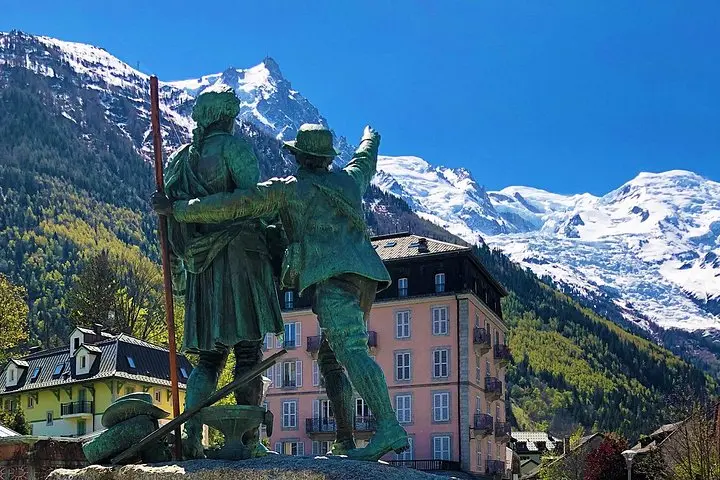
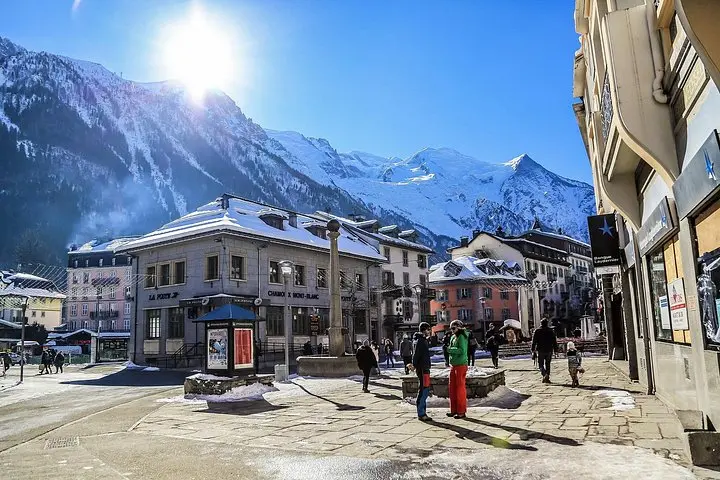
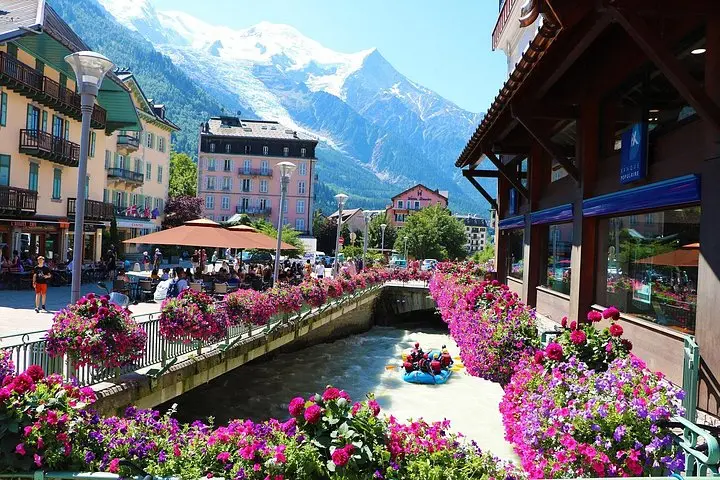
The High Alps have been shaped by repeated glaciations; Mer de Glace once fed a far larger ice stream that carved the deep U-shaped Chamonix valley. Chamonix itself grew in the 18th–19th centuries as mountaineering and glacier study drew scientists and climbers, and the cogwheel train to Montenvers remains a century-old engineering response to steep, glacial terrain. Local Savoyard culture is visible in stone chalets, simple Alpine fare, and small mountain refuges that supply warm food after a day outside.
Practically, this is a full-day outing that combines mechanical lifts with walking: a high-elevation cable car, a 3–4 hour mountain hike (mostly descending with rocky and sometimes exposed sections), and a cogwheel return to Chamonix. Expect sharp temperature swings, strong sun at altitude, and loose scree underfoot. Bring layered clothing, a windproof shell, sturdy boots with ankle support, and at least 1.5–2 liters of water. Plan for photo stops at viewpoints and allow extra time if you opt for the Aiguille du Midi observation decks. Guides will manage timing and safety, but good footwear, steady footing, and respect for alpine weather make the day rewarding rather than risky.
The Aiguille du Midi option is popular in summer—book ahead where possible to avoid long queues and guarantee access to the observation decks.
Older children accustomed to long walks and with proper footwear can do parts of the route, but the high elevation and steep sections make it less suitable for very young kids.
Operators may alter the itinerary; guides will provide alternatives or refunds according to the tour's cancellation policy—always check weather conditions the morning of departure.
No technical ice gear is needed for the Plan de l'Aiguille to Mer de Glace trail in standard summer conditions, but conditions can vary—follow your guide's advice.
Keytours (Switzerland) operates guided outdoor trips and adventures with an emphasis on safety, stewardship, and memorable experiences.
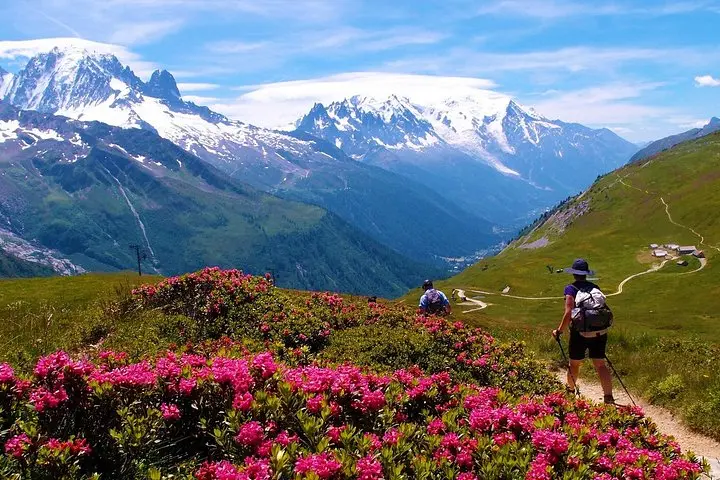
A cold wind cuts across the Aiguille du Midi station as you step off the cable car and the massif opens: a raw wall of granite, snowfields, and sky. From Plan de l'Aiguille the trail eases into alpine meadows; the mountains watch as you descend toward the Mer de Glace, the glacier that still moves—slow, inevitable—down the valley.
A cold wind cuts across the Aiguille du Midi station as you step off the cable car and the massif opens: a raw wall of granite, snowfields, and sky. From Plan de l'Aiguille the trail eases into alpine meadows; the mountains watch as you descend toward the Mer de Glace, the glacier that still moves—slow, inevitable—down the valley.
The High Alps have been shaped by repeated glaciations; Mer de Glace once fed a far larger ice stream that carved the deep U-shaped Chamonix valley. Chamonix itself grew in the 18th–19th centuries as mountaineering and glacier study drew scientists and climbers, and the cogwheel train to Montenvers remains a century-old engineering response to steep, glacial terrain. Local Savoyard culture is visible in stone chalets, simple Alpine fare, and small mountain refuges that supply warm food after a day outside.
Practically, this is a full-day outing that combines mechanical lifts with walking: a high-elevation cable car, a 3–4 hour mountain hike (mostly descending with rocky and sometimes exposed sections), and a cogwheel return to Chamonix. Expect sharp temperature swings, strong sun at altitude, and loose scree underfoot. Bring layered clothing, a windproof shell, sturdy boots with ankle support, and at least 1.5–2 liters of water. Plan for photo stops at viewpoints and allow extra time if you opt for the Aiguille du Midi observation decks. Guides will manage timing and safety, but good footwear, steady footing, and respect for alpine weather make the day rewarding rather than risky.