THE ADVENTURE COLLECTIVE® · Independent discovery and booking for outdoor travel

Escape Paris for a full day of vineyard walks, cellar tours and tastings in Champagne. This all-inclusive minivan tour pairs small-producer insight with a formal estate visit and lunch in Reims.
Escape Paris for a full day of vineyard walks, cellar tours and tastings in Champagne. This all-inclusive minivan tour pairs small-producer insight with a formal estate visit and lunch in Reims.
Morning light pours over the Seine as a Mercedes minivan pulls away from central Paris, and the city’s rhythmic hum gives way to the soft green ranks of Champagne vineyards. By the time the van reaches Verzenay, rows of chalky soil and low-trained vines will be leaning into the slope, the land itself pushing you forward toward tasting rooms and cool cellars.
Verified experiences and guided adventures in the surrounding area.
Operated by Paris Champagne Tour · Reims, Grand Est
Morning light pours over the Seine as a Mercedes minivan pulls away from central Paris, and the city’s rhythmic hum gives way to the soft green ranks of Champagne vineyards. By the time the van reaches Verzenay, rows of chalky soil and low-trained vines will be leaning into the slope, the land itself pushing you forward toward tasting rooms and cool cellars.
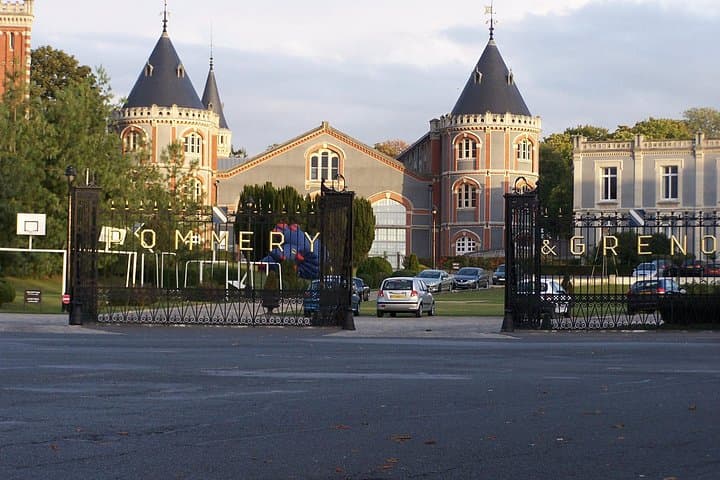
This corridor of northeastern France has been shaped by Champagne’s geology—Roman chalk pits and clay layers that store cold and flavor—while Reims, the medieval coronation city, stitches modern France to its royal past; Pommery’s estate blends 19th-century English-style architecture with galleries carved into ancient chalk. Local growers and small producers still practice seasonal viticulture: pruning in winter, flowering in late spring, harvest by September.
Expect guided vineyard walks, a small-producer tasting explaining méthode traditionnelle, a three-course regional lunch in Reims, and a cellar tour at a major house where millions of bottles age in subterranean galleries.
Practical notes: the day is long (most guests are picked up early and return by evening), so wear sturdy shoes for uneven vineyard paths and a light layer for cool cellars. Pace your tastings, carry a bottle of water, and flag dietary needs ahead of time—lunch menus use local produce and can be adapted. The tour suits anyone wanting accessible, interpretive access to Champagne’s landscapes, history, and, of course, its sparkling wines.
The minivan ride is roughly 1.5–2.5 hours each way depending on traffic and the pickup point in central Paris.
Yes—two guided tasting sessions are included, with a minimum of four glasses of Champagne across producers.
Yes—the restaurant uses seasonal produce and can adapt dishes for allergies or dietary needs if informed at booking.
Children can join, but tastings are for adults; infant seats are available and the day involves early pickup and a long itinerary.
Paris Champagne Tour operates guided outdoor trips and adventures with an emphasis on safety, stewardship, and memorable experiences.



Morning light pours over the Seine as a Mercedes minivan pulls away from central Paris, and the city’s rhythmic hum gives way to the soft green ranks of Champagne vineyards. By the time the van reaches Verzenay, rows of chalky soil and low-trained vines will be leaning into the slope, the land itself pushing you forward toward tasting rooms and cool cellars.
Morning light pours over the Seine as a Mercedes minivan pulls away from central Paris, and the city’s rhythmic hum gives way to the soft green ranks of Champagne vineyards. By the time the van reaches Verzenay, rows of chalky soil and low-trained vines will be leaning into the slope, the land itself pushing you forward toward tasting rooms and cool cellars.
This corridor of northeastern France has been shaped by Champagne’s geology—Roman chalk pits and clay layers that store cold and flavor—while Reims, the medieval coronation city, stitches modern France to its royal past; Pommery’s estate blends 19th-century English-style architecture with galleries carved into ancient chalk. Local growers and small producers still practice seasonal viticulture: pruning in winter, flowering in late spring, harvest by September.
Expect guided vineyard walks, a small-producer tasting explaining méthode traditionnelle, a three-course regional lunch in Reims, and a cellar tour at a major house where millions of bottles age in subterranean galleries.
Practical notes: the day is long (most guests are picked up early and return by evening), so wear sturdy shoes for uneven vineyard paths and a light layer for cool cellars. Pace your tastings, carry a bottle of water, and flag dietary needs ahead of time—lunch menus use local produce and can be adapted. The tour suits anyone wanting accessible, interpretive access to Champagne’s landscapes, history, and, of course, its sparkling wines.