THE ADVENTURE COLLECTIVE® · Independent discovery and booking for outdoor travel

A full-day, guided tour from Tangier to Chefchaouen that pairs a scenic Rif Mountains drive with a guided walk through the blue medina, a visit to the kasbah, and a three-course traditional lunch. Perfect for travelers who want a single-day cultural and scenic immersion.
A full-day, guided tour from Tangier to Chefchaouen that pairs a scenic Rif Mountains drive with a guided walk through the blue medina, a visit to the kasbah, and a three-course traditional lunch. Perfect for travelers who want a single-day cultural and scenic immersion.
You round a final ridge in an air-conditioned minivan and the Rif Mountains open like a breath: whitewashed houses dipped in blues, steep alleys stacked above a scattering of orange-tiled roofs. The town seems to lean toward the light; the Medina’s lanes funnel a cool, herbal breeze from nearby springs while vendors call softly from shaded doorways.
Verified experiences and guided adventures in the surrounding area.
Operated by Morocco Spartel Tours · Chefchaouen, Tanger-Tétouan-Al Hoceima
You round a final ridge in an air-conditioned minivan and the Rif Mountains open like a breath: whitewashed houses dipped in blues, steep alleys stacked above a scattering of orange-tiled roofs. The town seems to lean toward the light; the Medina’s lanes funnel a cool, herbal breeze from nearby springs while vendors call softly from shaded doorways.
Chefchaouen was founded in the 15th century as a mountain stronghold and later absorbed Andalusian and Jewish influences — the signature blue paint is often linked to Jewish refugees and practical insect-repellent theories. Geologically, the Rif is folded limestone and sandstone, carving narrow valleys and seasonal streams that sculpt the town’s surrounding gullies. The kasbah in the central square sits on a modest rise, offering a compact museum and a tower view that frames the medina like a stage.
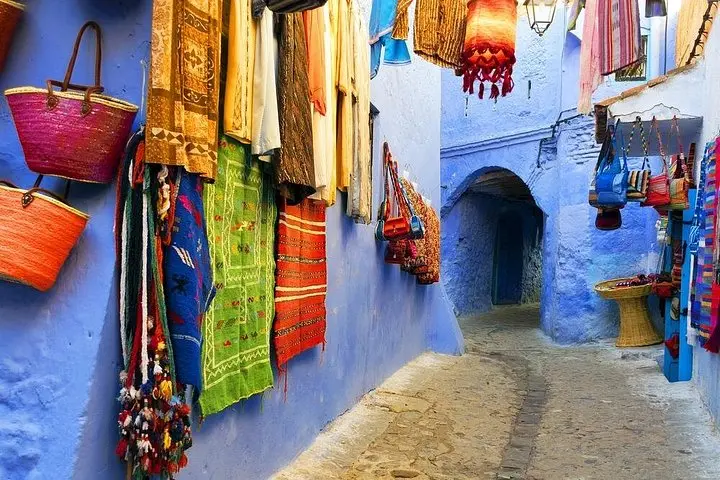
A guided walking tour moves at a pragmatic pace: textured tile, steep stone steps, tiny artisan workshops and lively markets where spices and handwoven textiles crowd narrow passages. Sed Nakhla, a countryside stop on the way, provides mint tea and views; lunchtime is a formal pause — three courses of tagine, salads and pastries served the Moroccan way.
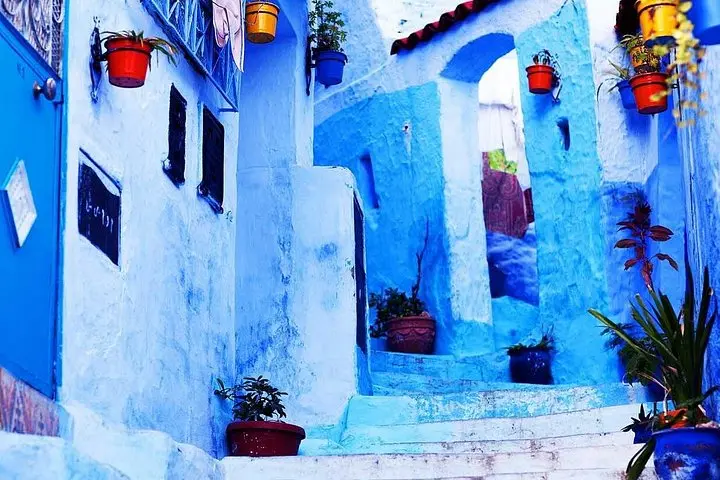
Practical guidance: wear grippy shoes for uneven stone, bring cash for small shops, and carry a refillable water bottle — potable water is limited in public fountains. Morning departures avoid midday heat; allow time for photography and a relaxed lunch. The route is accessible for most travelers but expect steep steps and tight passageways. Come prepared, move deliberately, and Chefchaouen rewards curiosity with quiet corners and expansive mountain views.
Expect an 8–10 hour day including pickup, round-trip driving through the Rif, guided walking time in Chefchaouen, and a three-course lunch.
Yes — the itinerary includes guided sections and free time to wander the medina, visit the kasbah museum, or shop.
Yes — the tour includes entrance fees listed, a three-course lunch, bottled water and professional guide services.
The tour is labeled physically easy but involves uneven cobbled streets and steps; it’s suitable for most children and adults but not recommended for those needing wheelchair access.
Morocco Spartel Tours operates guided outdoor trips and adventures with an emphasis on safety, stewardship, and memorable experiences.
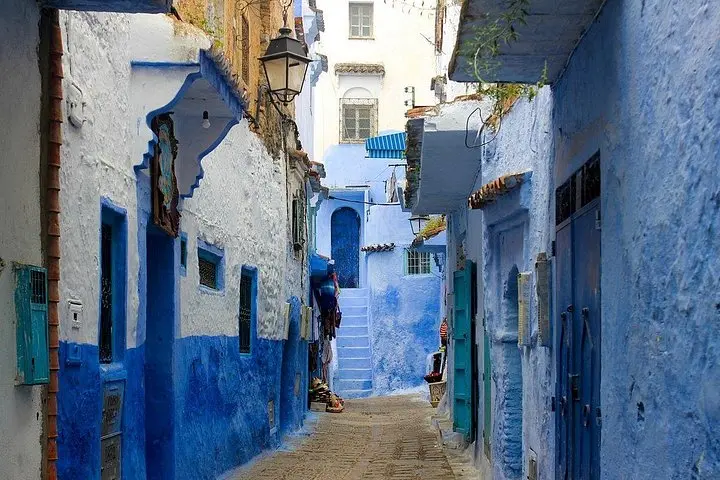
You round a final ridge in an air-conditioned minivan and the Rif Mountains open like a breath: whitewashed houses dipped in blues, steep alleys stacked above a scattering of orange-tiled roofs. The town seems to lean toward the light; the Medina’s lanes funnel a cool, herbal breeze from nearby springs while vendors call softly from shaded doorways.
You round a final ridge in an air-conditioned minivan and the Rif Mountains open like a breath: whitewashed houses dipped in blues, steep alleys stacked above a scattering of orange-tiled roofs. The town seems to lean toward the light; the Medina’s lanes funnel a cool, herbal breeze from nearby springs while vendors call softly from shaded doorways.
Chefchaouen was founded in the 15th century as a mountain stronghold and later absorbed Andalusian and Jewish influences — the signature blue paint is often linked to Jewish refugees and practical insect-repellent theories. Geologically, the Rif is folded limestone and sandstone, carving narrow valleys and seasonal streams that sculpt the town’s surrounding gullies. The kasbah in the central square sits on a modest rise, offering a compact museum and a tower view that frames the medina like a stage.
A guided walking tour moves at a pragmatic pace: textured tile, steep stone steps, tiny artisan workshops and lively markets where spices and handwoven textiles crowd narrow passages. Sed Nakhla, a countryside stop on the way, provides mint tea and views; lunchtime is a formal pause — three courses of tagine, salads and pastries served the Moroccan way.
Practical guidance: wear grippy shoes for uneven stone, bring cash for small shops, and carry a refillable water bottle — potable water is limited in public fountains. Morning departures avoid midday heat; allow time for photography and a relaxed lunch. The route is accessible for most travelers but expect steep steps and tight passageways. Come prepared, move deliberately, and Chefchaouen rewards curiosity with quiet corners and expansive mountain views.