THE ADVENTURE COLLECTIVE® · Independent discovery and booking for outdoor travel

Spend a full day above and below Chiang Mai’s forested rim: golden pagodas and a hidden jungle temple, then practical hands-on fun at the Bua Tong Sticky Waterfall. This compact day trip blends culture, geology and easy mountain hiking.
Spend a full day above and below Chiang Mai’s forested rim: golden pagodas and a hidden jungle temple, then practical hands-on fun at the Bua Tong Sticky Waterfall. This compact day trip blends culture, geology and easy mountain hiking.
You arrive before the city wakes, the minivan threading a mountain road as mist peels off the pines. By mid-morning the golden pagoda of Wat Phra That Doi Suthep catches the sun—its gilded spire slicing the sky while locals make merit on steep terraces. The air smells of incense and damp earth; the mountain seems to keep its own pace.
Verified experiences and guided adventures in the surrounding area.
Operated by Wonderful Eco Tours · Chiang Mai, Chiang Mai
You arrive before the city wakes, the minivan threading a mountain road as mist peels off the pines. By mid-morning the golden pagoda of Wat Phra That Doi Suthep catches the sun—its gilded spire slicing the sky while locals make merit on steep terraces. The air smells of incense and damp earth; the mountain seems to keep its own pace.
Doi Suthep is both a viewpoint and a cultural anchor: the 14th-century reliquary that gave the temple its name drew royal patronage and pilgrimage for centuries. A short drive lower into the evergreen, Wat Pha Lat sits tucked into a forest gullied with roots and moss—its stairs and caves speak to a quieter monastic tradition that prefers sunlight filtered by leaf canopy to the crowds above.
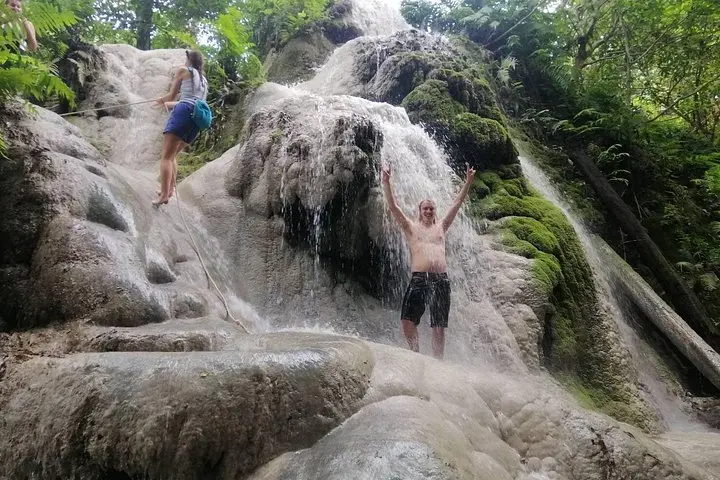
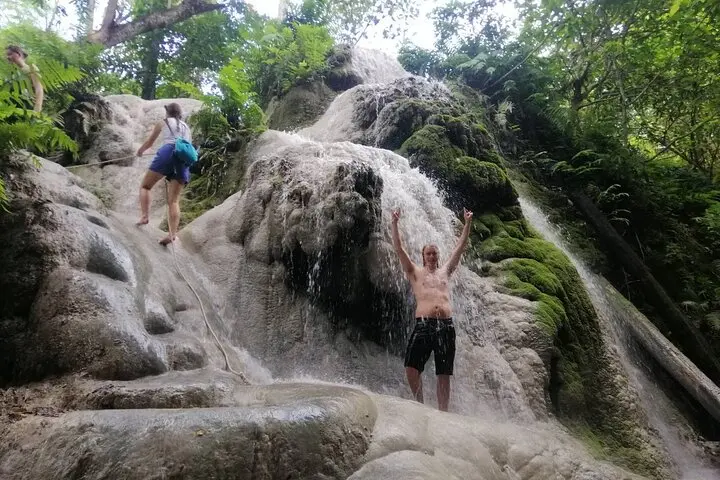
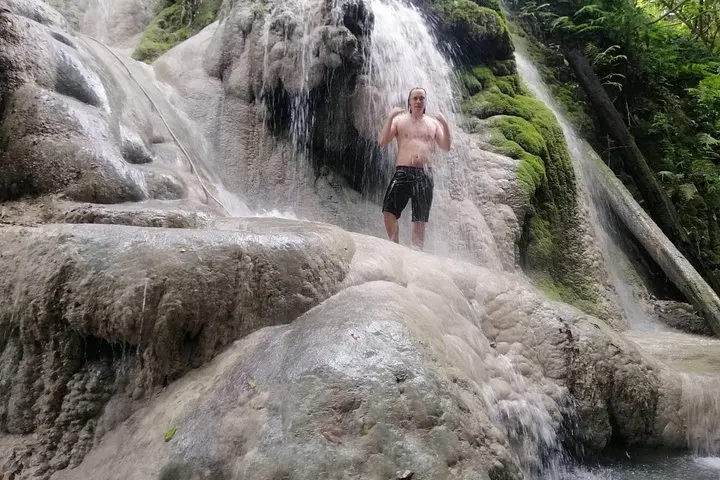
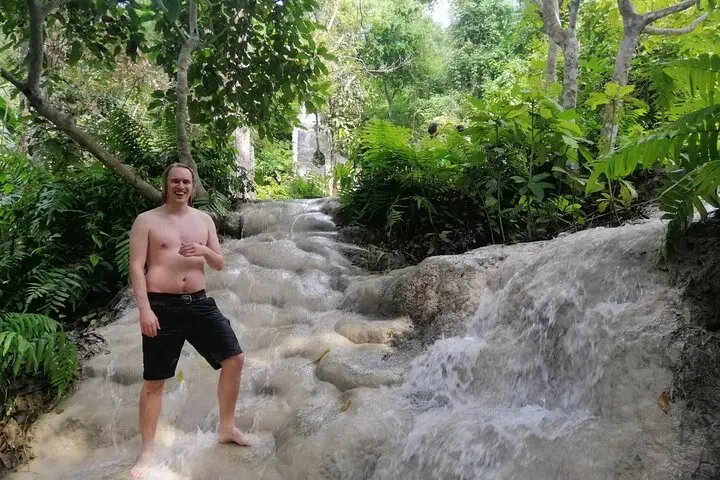
The day shifts again at Bua Tong, the so-called Sticky Waterfall. Calcium-rich limestone deposits create grippy tufa shelves that let you climb the cascade with bare feet, a geological quirk that turns water into an accessible playground rather than a slippery hazard.
Practical notes: the tour runs 8–9 hours with moderate walking and short trails; expect uneven steps at temples and wet, uneven rock at the waterfall. Bring sun protection, a refillable bottle, quick-dry clothes, and water-friendly shoes. Mornings are best for views and avoiding crowds; afternoons suit the waterfall when the light warms the limestone.
Respect local customs—remove shoes at temple thresholds, dress modestly, avoid feeding wildlife—and leave the park as you found it so subsequent visitors can climb the falls and learn from the mountain in the same way.
Expect moderate walking: stairs and paved temple grounds plus a short trail and rock scrambling at the waterfall—nothing technical but some uneven terrain.
Families and active seniors can join, but those with limited mobility should know there are many steps at Doi Suthep and uneven surfaces at Wat Pha Lat and the waterfall.
Carry small bills for temple donations, snacks, or souvenirs; bottled water and lunch are typically included on organized tours but extra purchases may require cash.
You can wade and shower under smaller cascades; deep swimming is not typical—obey local guidance and avoid slippery edges.
Wonderful Eco Tours operates guided outdoor trips and adventures with an emphasis on safety, stewardship, and memorable experiences.
You arrive before the city wakes, the minivan threading a mountain road as mist peels off the pines. By mid-morning the golden pagoda of Wat Phra That Doi Suthep catches the sun—its gilded spire slicing the sky while locals make merit on steep terraces. The air smells of incense and damp earth; the mountain seems to keep its own pace.
You arrive before the city wakes, the minivan threading a mountain road as mist peels off the pines. By mid-morning the golden pagoda of Wat Phra That Doi Suthep catches the sun—its gilded spire slicing the sky while locals make merit on steep terraces. The air smells of incense and damp earth; the mountain seems to keep its own pace.
Doi Suthep is both a viewpoint and a cultural anchor: the 14th-century reliquary that gave the temple its name drew royal patronage and pilgrimage for centuries. A short drive lower into the evergreen, Wat Pha Lat sits tucked into a forest gullied with roots and moss—its stairs and caves speak to a quieter monastic tradition that prefers sunlight filtered by leaf canopy to the crowds above.
The day shifts again at Bua Tong, the so-called Sticky Waterfall. Calcium-rich limestone deposits create grippy tufa shelves that let you climb the cascade with bare feet, a geological quirk that turns water into an accessible playground rather than a slippery hazard.
Practical notes: the tour runs 8–9 hours with moderate walking and short trails; expect uneven steps at temples and wet, uneven rock at the waterfall. Bring sun protection, a refillable bottle, quick-dry clothes, and water-friendly shoes. Mornings are best for views and avoiding crowds; afternoons suit the waterfall when the light warms the limestone.
Respect local customs—remove shoes at temple thresholds, dress modestly, avoid feeding wildlife—and leave the park as you found it so subsequent visitors can climb the falls and learn from the mountain in the same way.